The key facts
- Since 2000, the hazel dormouse population in England and Wales has declined by nearly 60%, averaging a 3.5% drop per year.
- Between 2020 and 2025, a recovery of approximately 10% was recorded, coinciding with warmer springs and summers.
- Scientists warn of significant uncertainty in these estimates and highlight unknown impacts of warmer, wetter winters.
First signs of recovery
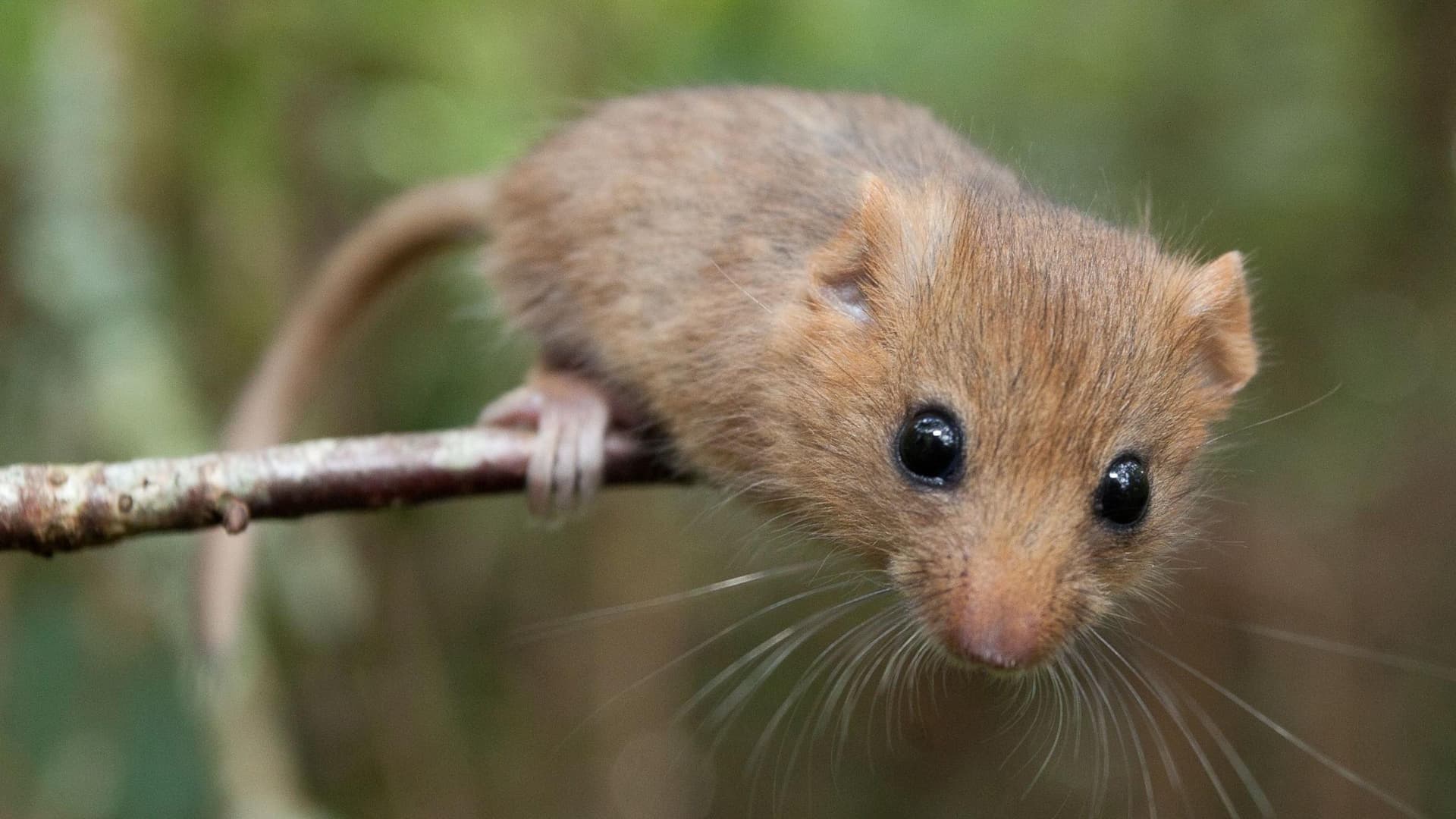
The population of the hazel dormouse—the only dormouse species in the UK—may be recovering in England and Wales after years of decline. This conclusion was reached by the authors of a report from the National Dormouse Monitoring Programme, which has been conducted since 1998 by the charitable organization People's Trust for Endangered Species (PTES); as reported by BBC News. Since 2000, the population has fallen by nearly 60%, averaging a 3.5% annual decline, and the animal has already disappeared from approximately 20 English counties, now surviving mainly in southern England and parts of Wales.
Warm summers as a possible factor
New data indicate a population increase of approximately 10% between 2020 and 2025, although researchers emphasize the significant uncertainty of this estimate. The improvement coincided with a series of springs and summers that were warmer and drier than average. According to scientists' hypothesis, such conditions reduce the need for torpor—short periods of deep sleep into which dormice enter during cold, wet weather or food shortages. More active time means more opportunities to feed, store fat before winter hibernation (from October to approximately May), and produce additional litters.
Cautious optimism and open questions
Co-author of the report Ian White from PTES called the turnaround 'good news' and a reason for 'cautious optimism', but reminded that populations are still nearly 60% below 2000 levels. Ecologist Charlotte Armitage, who worked on the study, noted in a comment to BBC that it remains unclear how dormice will respond to warmer and wetter winters, and that forest and hedgerow conservation, along with further study of climate change impacts, remain critical for the species. The authors explicitly state: it is too early to speak of sustainable recovery—additional research is needed.
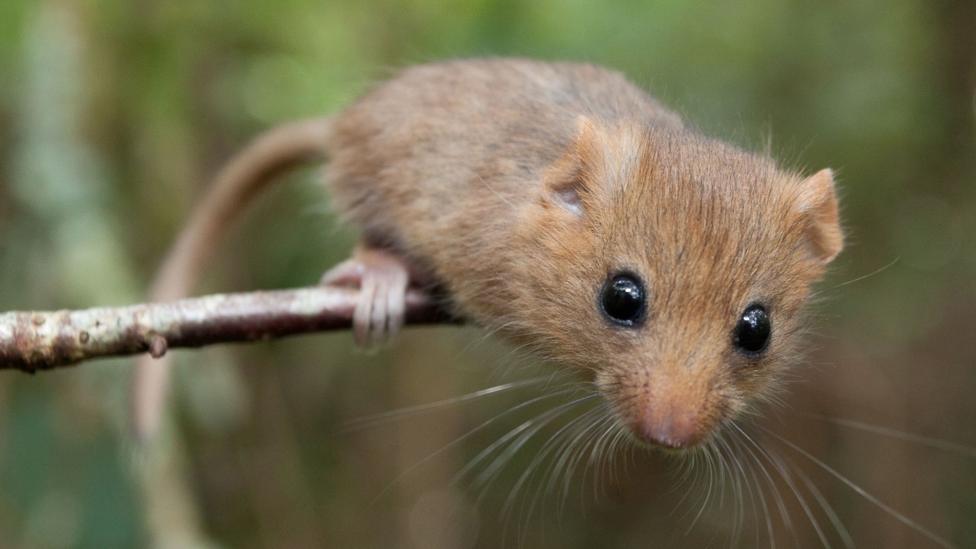 Image source, Clare Pengelly
Dormice have become much rarer in the UK as woodlands and hedgerows are lost
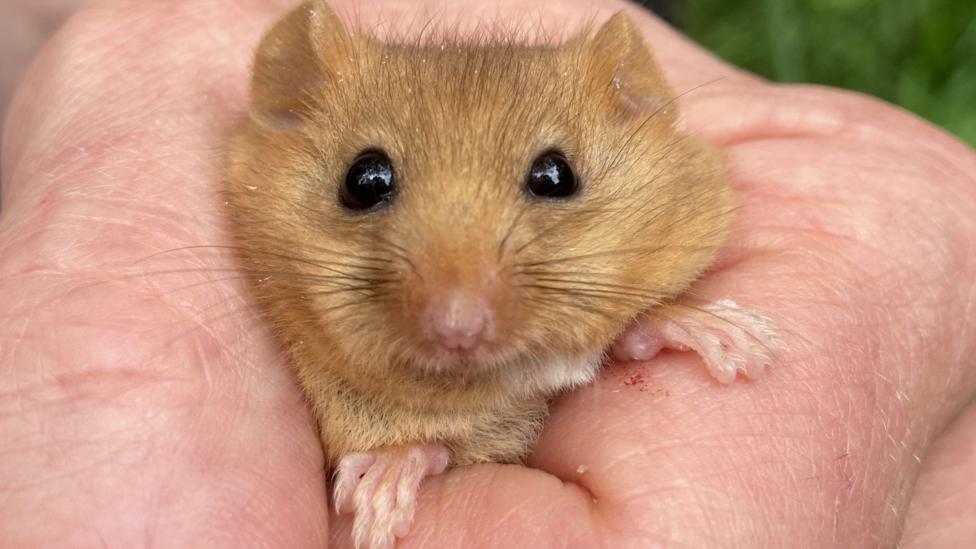 Image source, People's Trust for Endangered Species
Even during spring and summer, when it is cold and wet, dormice can enter short periods of deep sleep
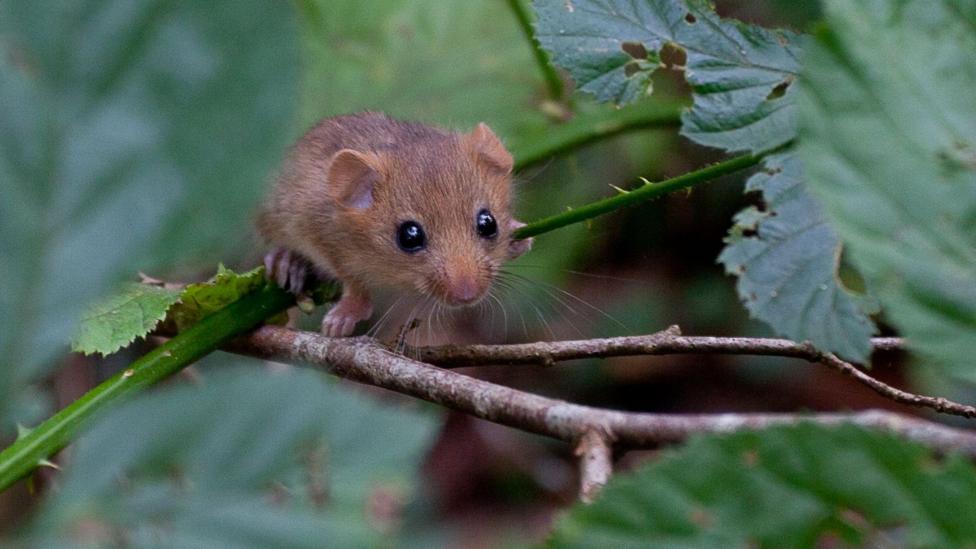 Image source, Clare Pengelly
The hazel dormouse spends most of its time in trees, emerging at night to eat flowers, insects, berries, and nuts