The key facts
- FT: Rassvet could turn inexpensive strike drones into a means of hitting moving targets deep inside Ukrainian territory
- According to Ukrainian intelligence, 32 satellites have been launched into orbit in two batches — in March and July 2026
- Connectivity is so far available only during certain windows; full operation will require more satellites
What the Financial Times assesses
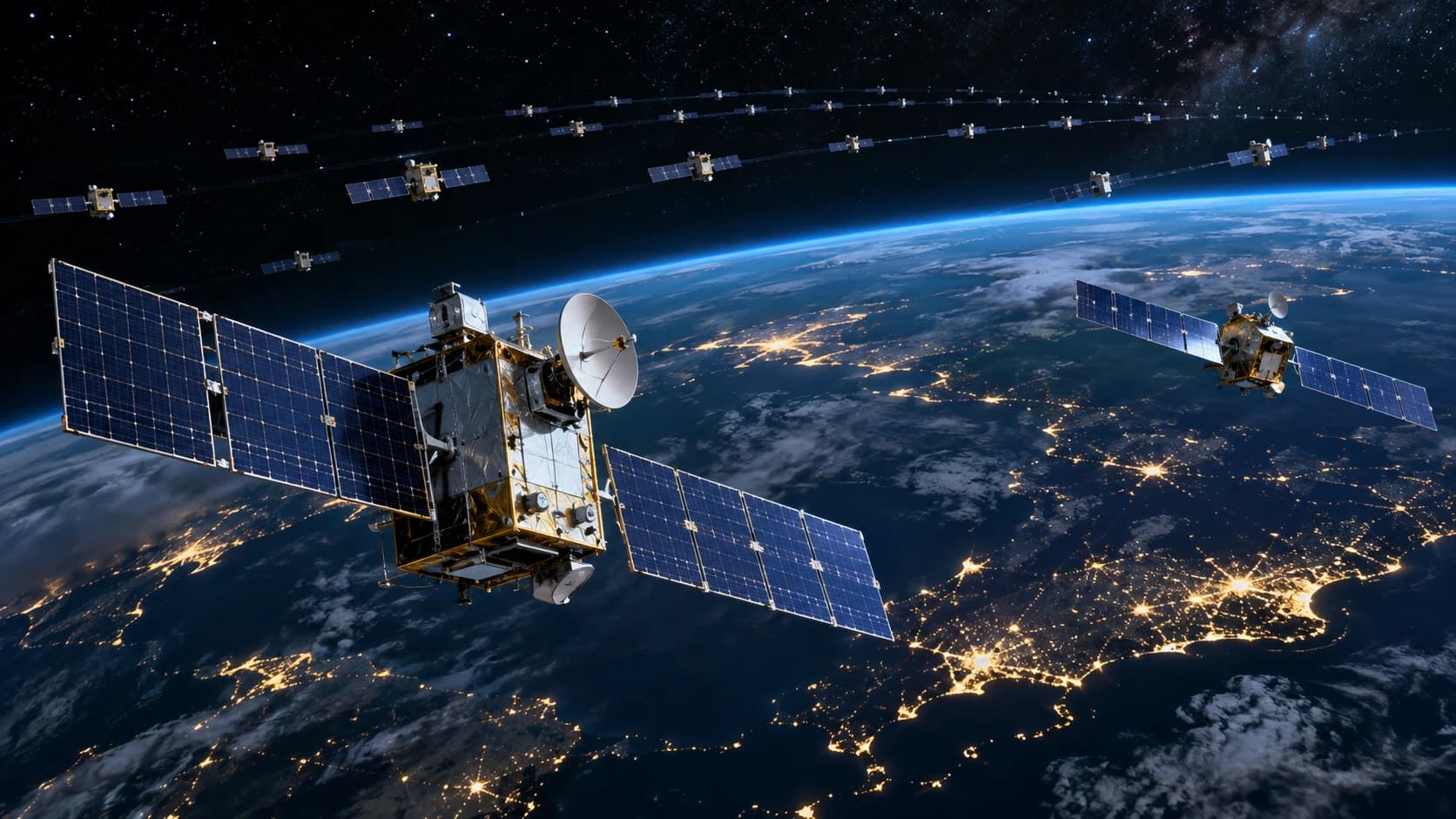
Russia's Rassvet satellite system, once the constellation is fully deployed, could increase the effectiveness of drone strikes against targets deep inside Ukrainian territory: the military would be able to control drones over long distances and adjust their flight paths. This is reported by the British newspaper Financial Times, whose publication is cited by Life.ru.
The nature of the threat and current limitations
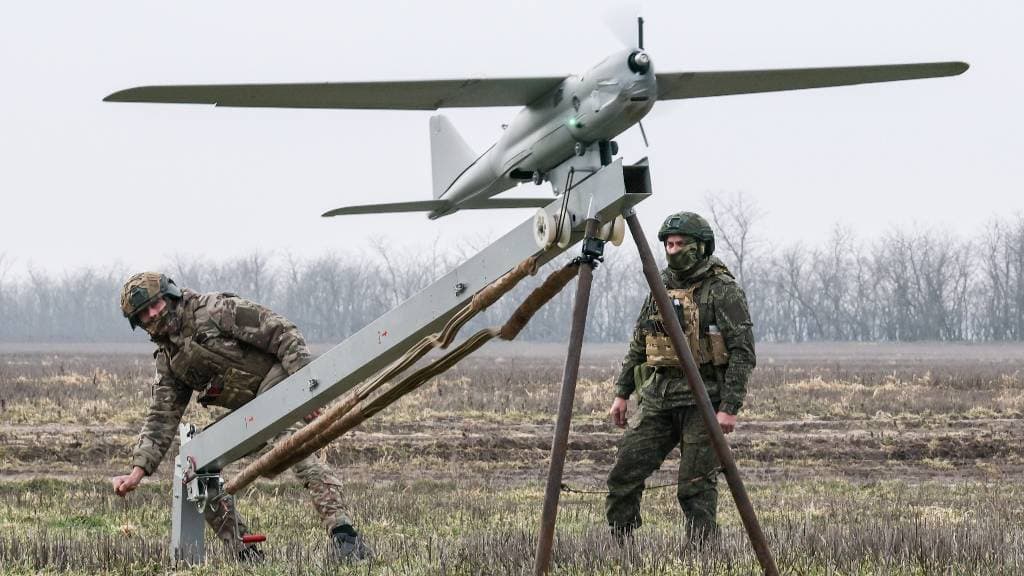
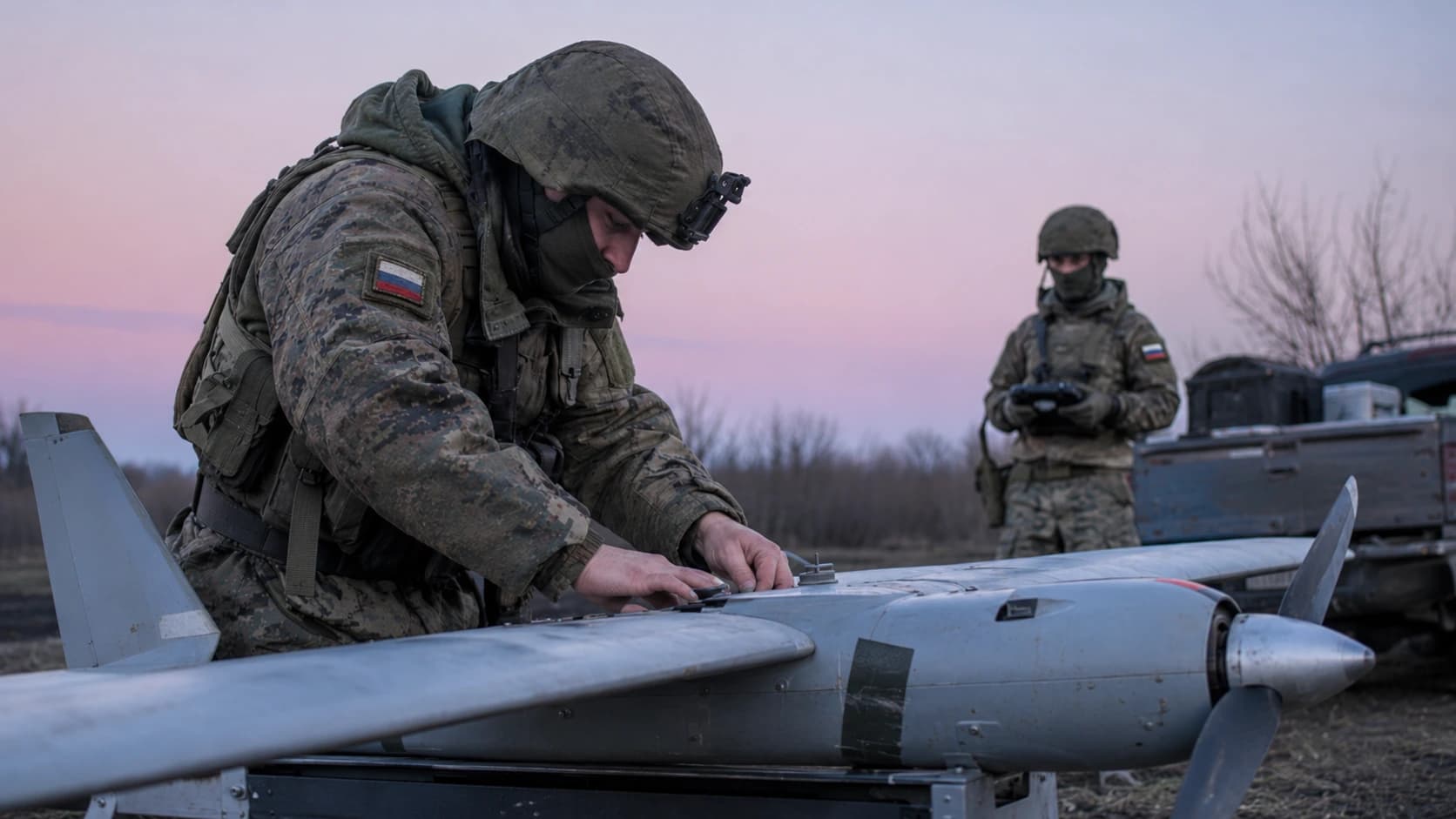
“The greatest danger lies not simply in Russia gaining an alternative to Starlink, but in the fact that relatively inexpensive strike drones could become a weapon capable of detecting, tracking and hitting moving targets deep inside Ukrainian territory,” the publication is quoted as saying. Satellite communications would allow operators to receive data in real time and change the drone's flight direction after launch, which increases strike accuracy against moving targets; against the backdrop of growing drone production, this could expand the capabilities of the Russian Armed Forces, the outlet notes. At the same time, the system does not yet provide continuous coverage over the entire territory of Ukraine: according to Ukrainian military intelligence, Russia has launched 32 satellites into orbit in two batches — in March and July 2026 — and connectivity is available only during certain windows, when the satellites pass over the relevant area. A fully operational constellation will require more satellites.
Countermeasures and project context
The Financial Times also points to the difficulties of countering the new technology: unlike Starlink, control of the Russian system does not depend on decisions made by SpaceX. Electronic warfare systems can jam satellite communications, but their capabilities are limited by range and the cost of use. Rassvet is being developed by the Russian company Bureau 1440; the project envisions a low-orbit constellation for broadband communications with expansion through additional launches, but Western experts point to technical and production challenges that could affect the deployment timeline. Earlier, as Life.ru recalls, Vladimir Putin at the Russia–Africa summit spoke highly of the system's quality, noting that the project was at an early stage: at that time the constellation numbered about 30 satellites, and the satellites are equipped with broadband communications equipment and laser terminals for transmitting data between satellites.