The key facts
- Kyriakos Pierrakakis named four priorities: joint procurement, research and new technologies, support for Ukraine, mobilization of private capital
- The escape clause gives eurozone countries budgetary flexibility until 2028
- Brent reached $118 per barrel over 10 days, then fell to $94; eurozone inflation in October was 4%
A call for joint procurement
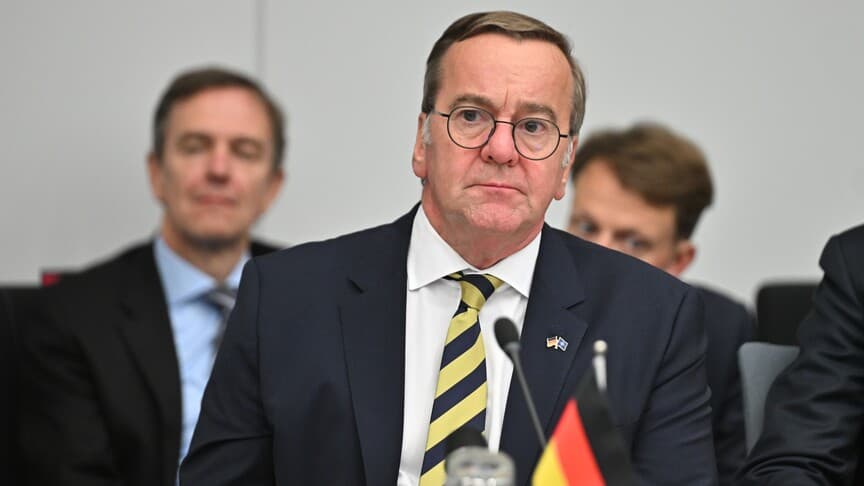
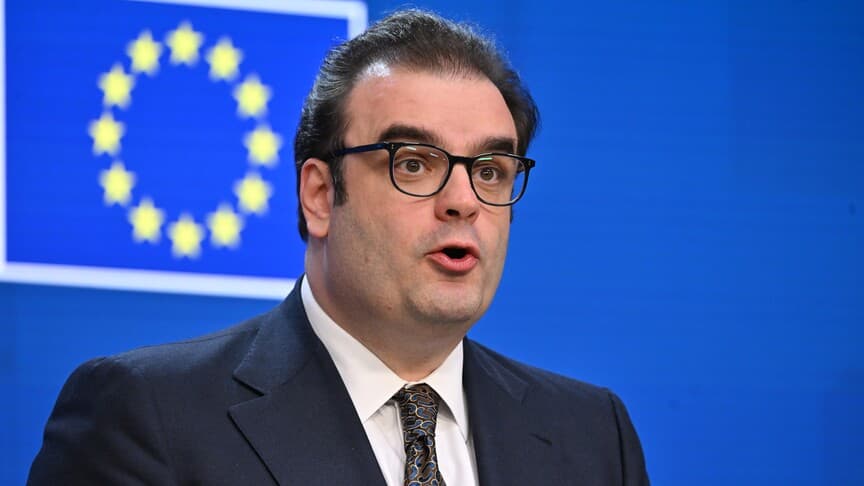
Eurogroup President Kyriakos Pierrakakis on Monday called for expanding joint procurement of weapons and increasing the inflow of private investment to sustainably finance Europe's growing security needs. He spoke after a meeting of eurozone finance ministers in Brussels with NATO Secretary General Mark Rutte, the Anadolu agency reported.
Budget constraints and four priorities
According to Pierrakakis, defense spending will remain elevated, which increases pressure on already strained public finances. The national escape clause gives eurozone countries additional budgetary flexibility until 2028, but governments, he noted, will have to adapt their budgets and find sustainable sources of funding. He pointed out that European countries often purchase similar military equipment separately, which raises costs, limits economies of scale and holds back the industry's production capacity. The Eurogroup chief named four priorities: expanding joint procurement, investment in research and new technologies, maintaining support for Ukraine, and mobilizing private capital. In his view, closer cooperation between the defense industries of Europe and Ukraine will strengthen collective security, while private investment should particularly support startups and small companies developing innovative defense technologies.
Energy volatility and the digital euro
Pierrakakis also touched on energy prices: according to him, over the past 10 days Brent approached $118 per barrel and then fell to $94 amid hopes for a diplomatic settlement in the Middle East. He stressed that markets swung sharply even though conditions in the Strait of Hormuz barely changed, and that households cannot adjust their budgets as quickly as market direction shifts. Gas prices in Europe remain roughly three times above pre-war levels, and eurozone inflation reached 4% in October; he called for targeted and temporary support. In addition, negotiations between the EU Council and the European Parliament on the digital euro have entered their final stage, with an agreement expected by the end of the year.