The key facts
- Dmitry Inyakin recommended weighing the order immediately after receipt on kitchen scales with the container's weight zeroed out
- In his estimate, a difference of 5–10% is sometimes linked to moisture loss during cooking; at 15% or more a complaint is warranted
- Earlier, Life.ru reported complaints about underweight at Dodo Pizza: Carbonara pasta weighed 228 g instead of 290 g
How to check the weight of your order
You can check a pizza and sushi roll delivery for underweight using ordinary kitchen scales, but a difference between the stated and actual weight does not always mean deception — some moisture evaporates during cooking, and the weight changes during transportation. This was explained in a comment to Life.ru by Dmitry Inyakin, founder of the federal pizza and sushi roll delivery chain Nemestnye.
Expert recommendations
According to Inyakin, it is worth vetting a delivery service even before placing an order: reputable companies state the exact weight of each portion, while vague wording like 'large portion' is a reason to be wary. He also advised studying reviews on aggregator platforms, paying attention to comments containing the words 'weight', 'underweight' and 'portion': recurring complaints may indicate systematic skimping on ingredients.
Weighing and acceptable deviations
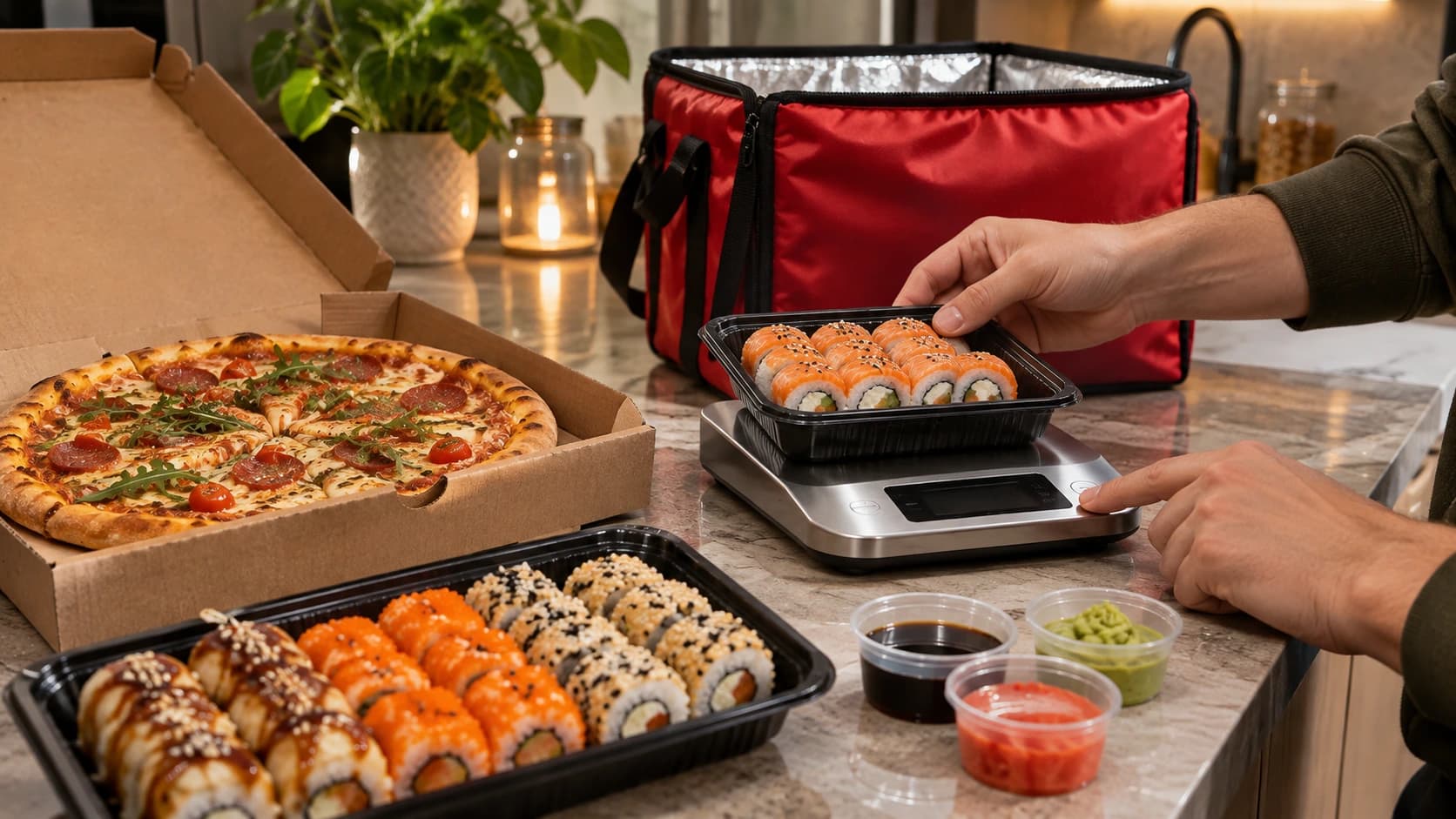
Electronic kitchen scales will do for the check: first you need to weigh the empty container and zero out the reading, since sturdy packaging and dividers add 20 to 50 grams. It is best to weigh the order immediately after receiving it, while the hot food has not yet lost additional moisture; if a dish consists of several components, such as rolls and sauce, they should be checked separately. In Inyakin's estimate, a difference of 5–10% is sometimes related to cooking specifics and measurement error — he cited the example of rolls listed as 250 grams but actually weighing 230–240 grams. At the same time, such figures are not a universal legal norm of permissible underweight. If the discrepancy is 15% or more, the expert recommends filing a complaint without fail, although consumers are entitled to request an inspection even over a smaller shortfall.
Skimping on ingredients and compensation
Besides the overall weight, Inyakin said, it is worth paying attention to the composition: unscrupulous establishments may reduce the amount of expensive ingredients, replacing them with cheap ones — the portion weight remains close to the stated figure, but the quality of the filling deteriorates. If a pizza has almost no cheese and the rolls consist mostly of cucumber and rice, this can no longer be explained by moisture loss. If underweight is confirmed, he advises contacting the app's support chat, attaching a photo of the dish on the scales and the receipt: reputable delivery services usually offer compensation in bonuses or a remake of the order.
Context: complaints about Dodo Pizza
Earlier, Life.ru reported on mass customer complaints about underweight dishes at the Dodo Pizza chain. A customer from Vologda ordered Carbonara pasta with a stated weight of 290 grams, but home scales showed 228 grams — 62 grams less; after the complaint, the company offered a promo code for a 30% discount. Another customer reported that a pizza weighed 511 grams instead of the promised 580 grams, even with the box included. Similar complaints were also received about other dishes of the chain.