The key facts
- The inquiry, commissioned by Star Academies with support from the Department for Education, covered 1.25 million young people in England
- New phase: early years and teenagers aged 14–19, with practical recommendations for government and schools
- Education Secretary Lucy Powell announced her support for the inquiry
The second phase of the inquiry
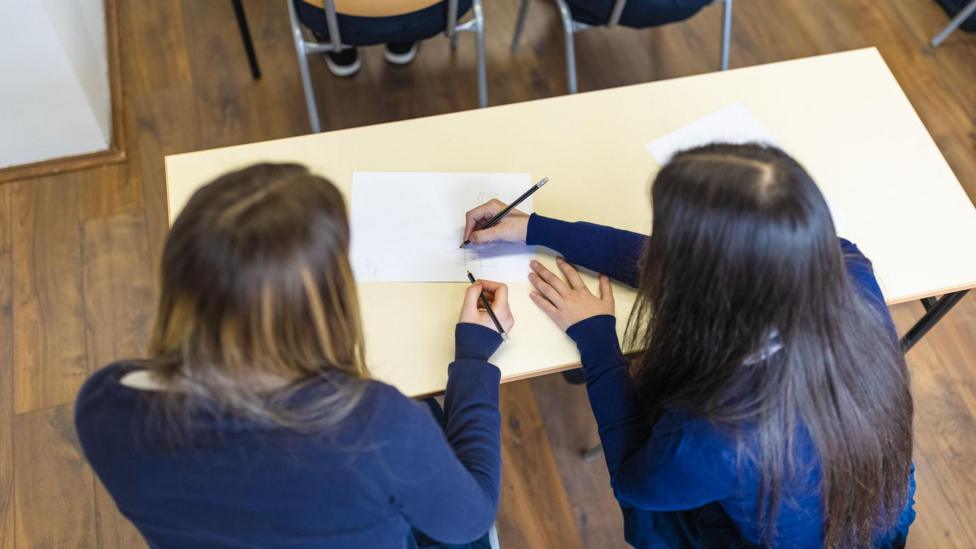
The independent inquiry into the educational outcomes of white working-class children in England is moving into a new phase of work. Its co-chair, the former education secretary Baroness Morris, said that improving the situation requires action by This was reported by BBC News.
What has already been established
The inquiry's first report, published in the summer, concluded that the education system reforms. The inquiry, commissioned by the multi-academy trust Star Academies with support from the Department for Education, carried out a year-long study: thousands of young people and parents were surveyed, hundreds of teachers were consulted, and data on 1.25 million young people in England — white British pupils eligible for free school meals — was analysed. It found a growing belief among such families that the current system does not guarantee future success. The authors also acknowledged that the true scale of disadvantage is all families receiving Universal Credit became eligible for free school meals.
The focus of the new phase
The next phase will focus on children in their early years and on teenagers aged 14–19: researchers will examine how the transition from primary to secondary school can lay a solid foundation, and will launch a research programme on teenagers' pathways — how schools can work with communities to provide clearer routes into further study and employment. Practical recommendations will be developed for government, schools, colleges and organisations working with these communities. Education Secretary Lucy Powell said that announced her support for the inquiry, in order to
Context: young people not in education or work
The announcement came after Prime Minister Andy Burnham set out plans in the summer to open new technical routes from the age of 14 in England, saying he was there are now almost a million of them. The interim report by former minister Alan Milburn showed that children who are not school-ready at the age of four to five are almost three times more likely to become teenagers themselves explained what schools should teach them for work.
 Image source, Getty