The key facts
- China's Foreign Ministry: espionage accusations are 'slander'; the official position was voiced by Guo Jiakun
- Nvidia is conducting an independent investigation; the board said it sees no signs of secrets being leaked
- According to the NYT, the memorandum on Alice Huang was overseen by Secretary of State Marco Rubio
Beijing's official response
On Monday, November 9, China's Foreign Ministry rejected reports that a woman who had been in a romantic relationship with Nvidia chief Jensen Huang worked for Chinese intelligence. Ministry spokesperson Guo Jiakun told journalists that the 'so-called accusation of Chinese espionage' is groundless and is 'nothing but slander against China.' This was reported by Anadolu and Gazeta.Ru, which quotes the diplomat's response as cited by The Guardian: 'We have already responded on this matter. The claims about so-called Chinese espionage are entirely groundless speculation and slander.'
What prompted it
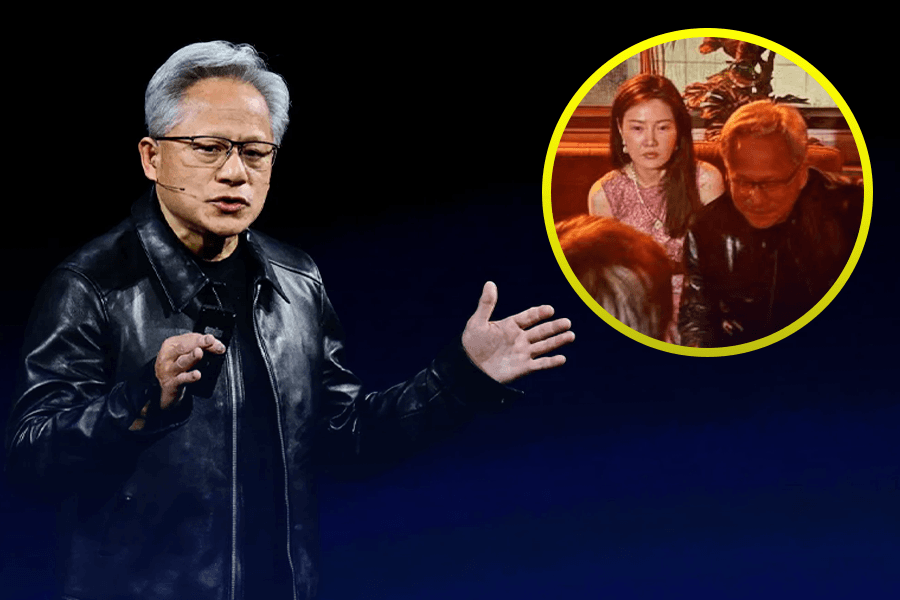
The investigation around Nvidia's CEO began after he admitted infidelity and apologized to his family and employees. The trigger was publications about his closeness with entrepreneur Alice Huang, head of the Singapore-based company Megaspeed, which buys Nvidia chips. As The New York Times and The Financial Timesreported, US intelligence officials suspect her of gathering information about the largest chipmaker for Beijing. According to the NYT, as cited by Life.ru, US Secretary of State Marco Rubio oversaw the preparation of a memorandum on Alice Huang; the document was sent to senior members of Donald Trump's administration.
Nvidia's position
The company has launched an independent investigation into whether its CEO could have been the target of a foreign intelligence operation. Nvidia said the board of directors expresses confidence in Huang and his team, that he has committed to cooperating with the investigation and intends to continue leading the company. According to the company, the board has no reason to believe that Nvidia's secrets or national security were compromised. Beijing, for its part, disputes the very basis of the suspicions, calling them a fabrication; the question of the investigation's conclusions remains open.