The key facts
- Via+ will be able to simultaneously monitor more than 800 channels from six satellites and analyze up to 19.2 thousand hours of speech per day
- The project's technical readiness is 90%; the system has been included in the state investment program for 2027
- The final decision on violations will remain with RTÜK specialists
A 'Steel Dome' for the media sphere
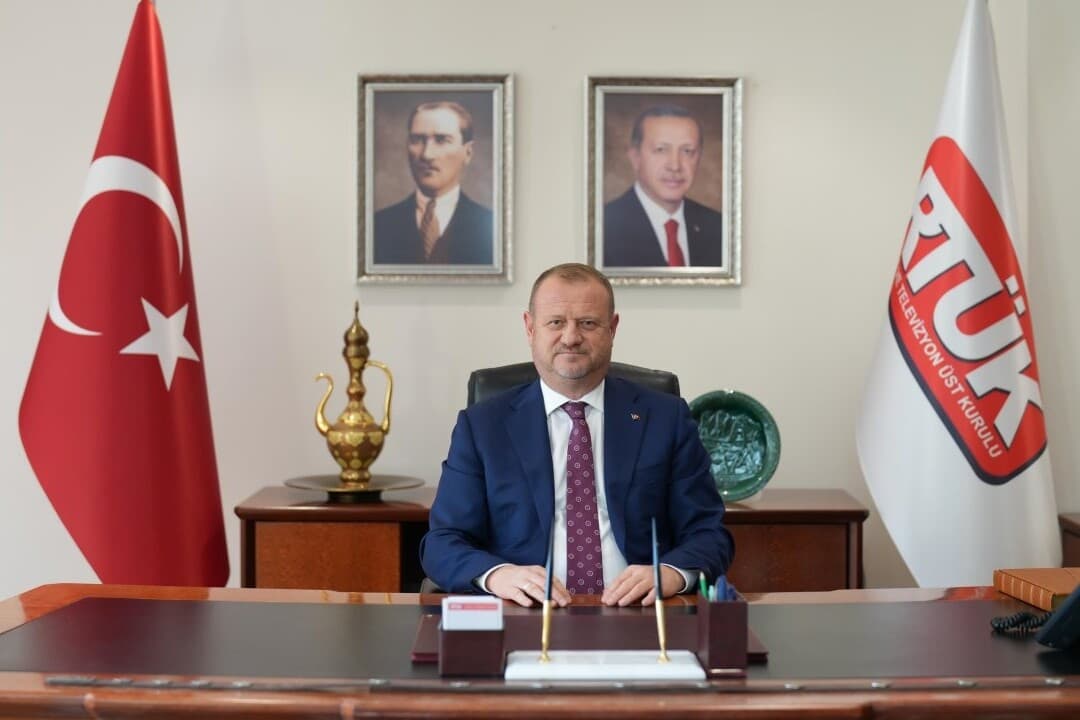
The Turkish authorities are preparing to launch an artificial intelligence system called Via+, which will be able to monitor TV broadcasts and digital platforms around the clock for violations of the law. This was announced by the chairman of the Radio and Television Supreme Council (RTÜK), Mehmet Danış, according to Life.ru. The head of the agency compared the platform to Turkey's air defense system: 'Just as we have a steel dome in the defense sphere, Via+ will become our steel dome in the media sphere.'
What the system will be able to do
Via+ will simultaneously monitor the broadcasts of more than 800 channels from six satellites and analyze materials from internet platforms connected to the system. Daily, the neural network will be able to process up to 19.2 thousand hours of speech, translate materials into 12 languages, and check more than 300 million video frames, looking for violations both in audio tracks and in images. Upon detecting possible violations of Law No. 6112, the system will prepare a report for RTÜK staff, but the final decision will remain with the agency's specialists — a point also emphasized in the regulator's own statement.
Timelines and new rules for platforms
According to Danış, the project's technical readiness has reached 90%: testing is underway, staff are being trained, and RTÜK's monitoring unit is being connected. The system has passed the necessary accreditation and has been included in Turkey's state investment program for 2027. In parallel, the agency is preparing new rules for supervising internet broadcasting: Via+ is planned to be used to identify materials that violate legal requirements for the protection of women, children, and the family. Digital platforms will be required to submit daily data on their catalogs to the regulator, and specialists will be able to send specific films and programs for review following viewer complaints.
The regulator's track record
RTÜK has intervened in TV program content before: the regulator launched a review of the popular series 'Cranberry Sorbet' after more than 11,000 viewer complaints outraged by the love storyline between the characters Doa and Fıraz, which part of the audience considered contrary to traditional family values. The creators faced fines and a broadcast shutdown, and the producers began reworking the script to avoid the series being closed. Against this backdrop, the launch of automated broadcast analysis means that identifying such content complaints may shift from reacting to complaints to continuous automated monitoring — although decisions, as the regulator emphasizes, will still be made by people.