The key facts
- The Via+ system will be able to analyze up to 19,200 hours of audio recordings per day, translate into 12 languages, and process more than 300 million video frames
- The project is estimated to be about 90% complete, with testing and staff training underway
- The AI only detects possible violations — final decisions remain with RTÜK staff
AI media monitoring across 800 channels
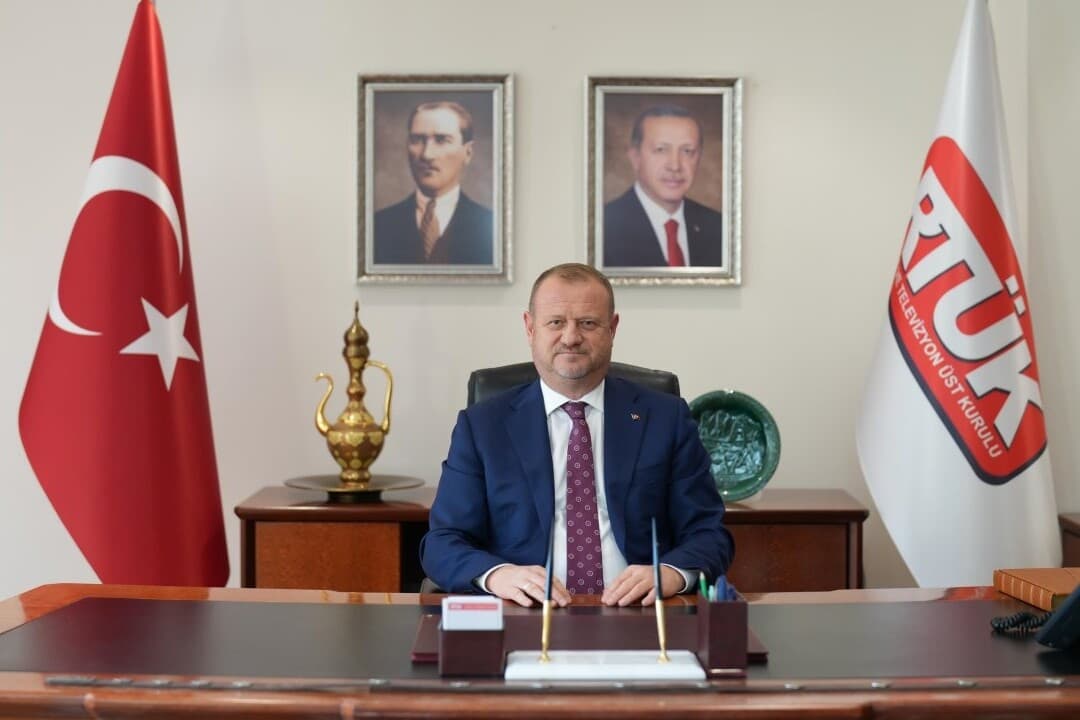
Turkey's Radio and Television Supreme Council (RTÜK) is completing the development of an artificial intelligence-based media monitoring system called Via+. This was announced by council chairman Mehmet Dönüş in an interview with the Anadolu agency on November 8, as noted by the publication Kun.uz. According to him, the system will be able to monitor more than 800 TV channels and internet platforms around the clock, automatically detect possible violations of legislation, and prepare reports for the regulator's staff.
System capabilities and current status
According to the description given by Dönüş, Via+ simultaneously receives broadcast signals from six artificial satellites, translates content into 12 languages, analyzes up to 19,200 hours of audio recordings per day, and processes more than 300 million video frames. These figures also appear in the Anadolu agency's own report, which the publication cites. The AI independently records possible violations and passes ready-made reports to RTÜK specialists. The work is about 90% complete: testing and staff training are currently underway. Dönüş compared the project to the multi-layered air defense system known as the Steel Dome: 'Just as we have a steel dome in the defense sphere, Via+ will become our steel dome in the media sphere.'
What is already confirmed and what remains a plan
Earlier, RTÜK described the system's functions in more detail: it converts speech into text with timestamps, translates foreign broadcasts into Turkish, analyzes images, and recognizes objects and predefined trigger words. At the same time, the regulator emphasizes that the artificial intelligence itself will not impose sanctions — the final decision rests with the agency's staff. A separate mechanism is provided for digital platforms: they submit content catalogs to RTÜK, and specialists independently select materials for review. In addition to Via+, Dönüş announced the preparation of a draft law that would expand the regulator's powers over internet platforms — that is, the expansion of control has so far been declared as a plan, not an adopted norm.