The key facts
- Tesla will end Cybertruck production in 2027 — Musk's announcement on Friday
- About 71,000 vehicles sold against 1 million reservations
- Promised specs — 500 miles of range and a price under $40,000 — were never met
The End of the Cybertruck
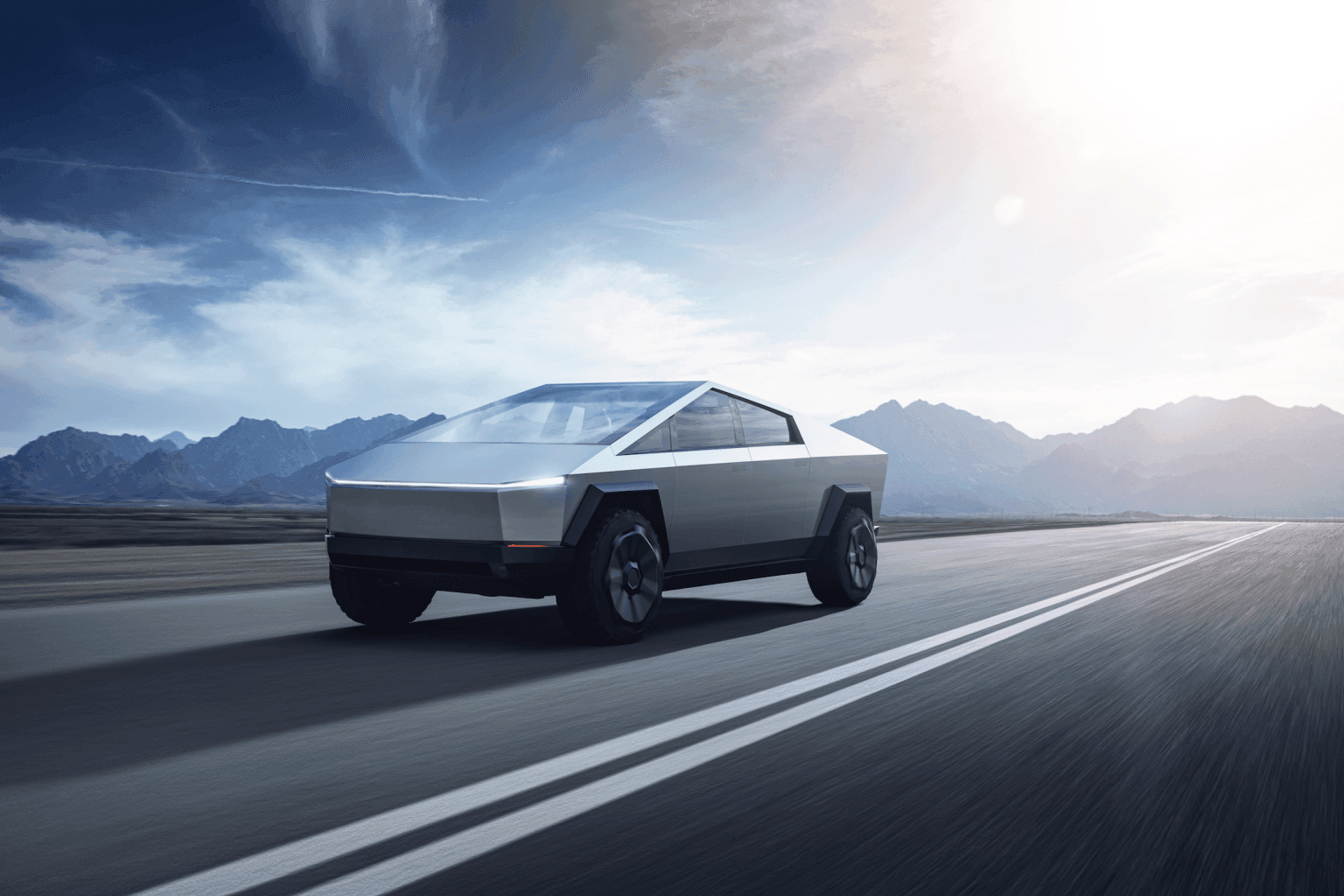
Tesla will stop producing the Cybertruck next year, Elon Musk said on Friday. This is reported by TechCrunch in its Mobility newsletter issue titled “The Cybertruck experiment is over.” According to industry experts cited by the outlet, about 71,000 Cybertrucks have been sold since deliveries began in November 2023 — against the million reservations Musk spoke about during the third-quarter 2023 earnings call.
Why the sales never materialized
The newsletter's author believes the issue is not so much the radical design — the market was niche from the start — as practical reasons. As senior reporter Sean O'Kanenotes, Musk promised the Cybertruck a 500-mile range and a price below $40,000, but the model achieved neither.
From the 2019 presentation to discontinuation
The model's story began with a much-publicized presentation in November 2019: designer Franz von Holzhausen threw a metal ball the size of a baseball at the Cybertruck's side window, and it cracked — as did the second window by the end of the show, to which Musk responded with jokes. TechCrunch also described the public's reaction: part of the audience gasped, some Tesla superfans whispered that this “definitely couldn't be the Cybertruck,” but by the time of the test rides the crowd's mood shifted to support. According to the outlet, it was this hype that carried over into reservations, yet it never turned into actual sales.
Other transportation industry news of the week
In the same issue, TechCrunch rounded up a number of corporate news items. Drone startup Zipline raised $1.5 billion and expanded its partnership with Walmart to 300 drone delivery locations in the US; its valuation reached $21.5 billion — earlier, in early 2026, the company raised $600 million and added another $200 million in a Series H round. Electric truck maker Harbinger raised $240 million in a Series D round, expanding into energy storage and defense applications. Humble Robotics raised $51 million in a Series A (a total of $75 million in less than a year since founding), with the round led by Obvious Ventures. Static Media acquired the automotive website CarScoops, adding it to a portfolio of 34 brands including Engadget, Jalopnik, and SlashGear.
Robotaxis, delivery, and data
Among other things: Also, a micromobility startup spun out of Rivian in 2025, quietly launched and then wound down a pilot project of electric two-wheelers in Kenya, focusing on a consumer e-bike and drones. Amazon named Uber Eats its official restaurant delivery partner for Prime in the US, ending its agreement with Grubhub. Ferrari's first electric car — the Luce — is “fully allocated” for 2027. Ford introduced a “privacy promise” and a website about how the company uses customer data. May Mobility and Forterra advanced to the third phase of the US Department of Defense ROADS competition on deploying commercial autonomous vehicles in the military. Serve Robotics is launching a Physical AI Servicesdirection, remaining a delivery operator while becoming a technology provider for other robot makers. Uber reported that during the busiest week of October — Halloween week — only four rides in totalwere ordered through its AI agent. Waymo confirmed that starting January 2028 it will end its exclusive partnership with Uber in Austin and Atlanta.
A staffing change in the newsroom
TechCrunch also reported that senior reporter Sean O'Kane, author of investigations into Fisker and scoops on support for Slate Auto by Jeff Bezos and on the design of Also's e-bike by Jony Ive's studio LoveFrom, is moving to The Wall Street Journal to cover Tesla.