The key facts
- Pyotr Tolstoy said Europe wanted to use a ceasefire to bring in troops of the 'coalition of the willing' and called this option unacceptable for Russia
- Earlier, participants in the 'coalition of the willing' confirmed their intention to deploy multinational forces, but without timelines, troop numbers, or deployment locations
- On November 3, Sergey Lavrov criticized the plan to freeze the conflict along the line of combat contact
Tolstoy's statement about Europe's plans
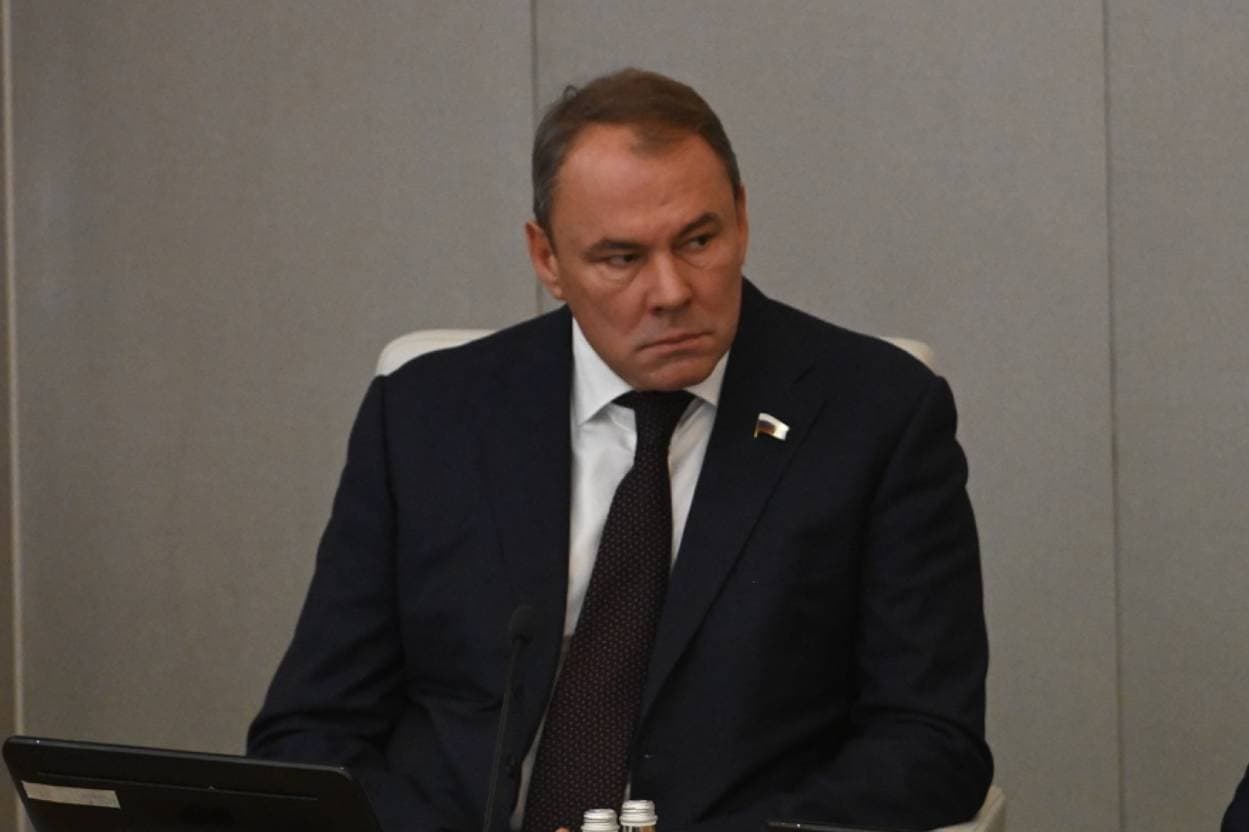
Pyotr Tolstoy, head of the State Duma Committee on International Affairs, said in an interview with TASS that European countries had hoped to achieve a temporary ceasefire in Ukraine in order to then bring their troops there under the flag of a 'coalition of the willing.' 'The Europeans had a very foolish and naive idea: they believed that, by securing from Russia even a temporary cessation of hostilities, they would be able to bring troops into Ukraine under the flag of a his words are quoted by Life.ru. A shorter version of the same interview, citing TASS, was published by Gazeta.Ru.
What is known about the plans of the 'coalition of the willing'
Tolstoy's statement echoes a previously published joint statement by European leaders: participants in the 'coalition of the willing' confirmed their intention to send multinational forces to Ukraine, however, the deployment of the contingent is envisaged only after a durable cessation of hostilities has been established. No specific timelines, troop numbers, or deployment locations were named. Maria Zakharova, the official spokesperson of the Russian Foreign Ministry, has previously described the stationing of foreign troops in Ukraine as a military intervention.
The Foreign Ministry's position and Tolstoy's caveats
On November 3, Russian Foreign Minister Sergey Lavrov criticized European countries' plans to freeze the conflict along the line of combat contact. According to him, Western states are simultaneously proposing a ceasefire and the stationing of stabilization forces in Ukraine; such initiatives, in the Foreign Minister's view, do not resolve the fundamental contradictions between Moscow and Kyiv, and a temporary truce could be used to restore the military potential of the Ukrainian armed forces.
Caveats about Europe's role
At the same time, Tolstoy allowed that the European Union's position could be taken into account in discussions about Ukraine's future, but, according to him, the opinion of European states will not be decisive. He also, according to Life.ru, pointed to Brussels' inconsistency, saying its position on the Ukrainian question had already changed three times. All the assessments cited are statements by Russian officials; on the European side, the only confirmation is the joint statement itself about the intention to deploy forces after the cessation of hostilities, without details on numbers or timelines.