The key facts
- Ukraine's defense ministry adviser Oleksandr Danilyuk called Rassvet a threat due to its combination with drones
- According to Reuters, citing Ukraine's Main Intelligence Directorate, Russia is already using the system over Ukraine
- Analysts note the high cost and limited scope of signal-jamming methods
Assessment from the Ukrainian side
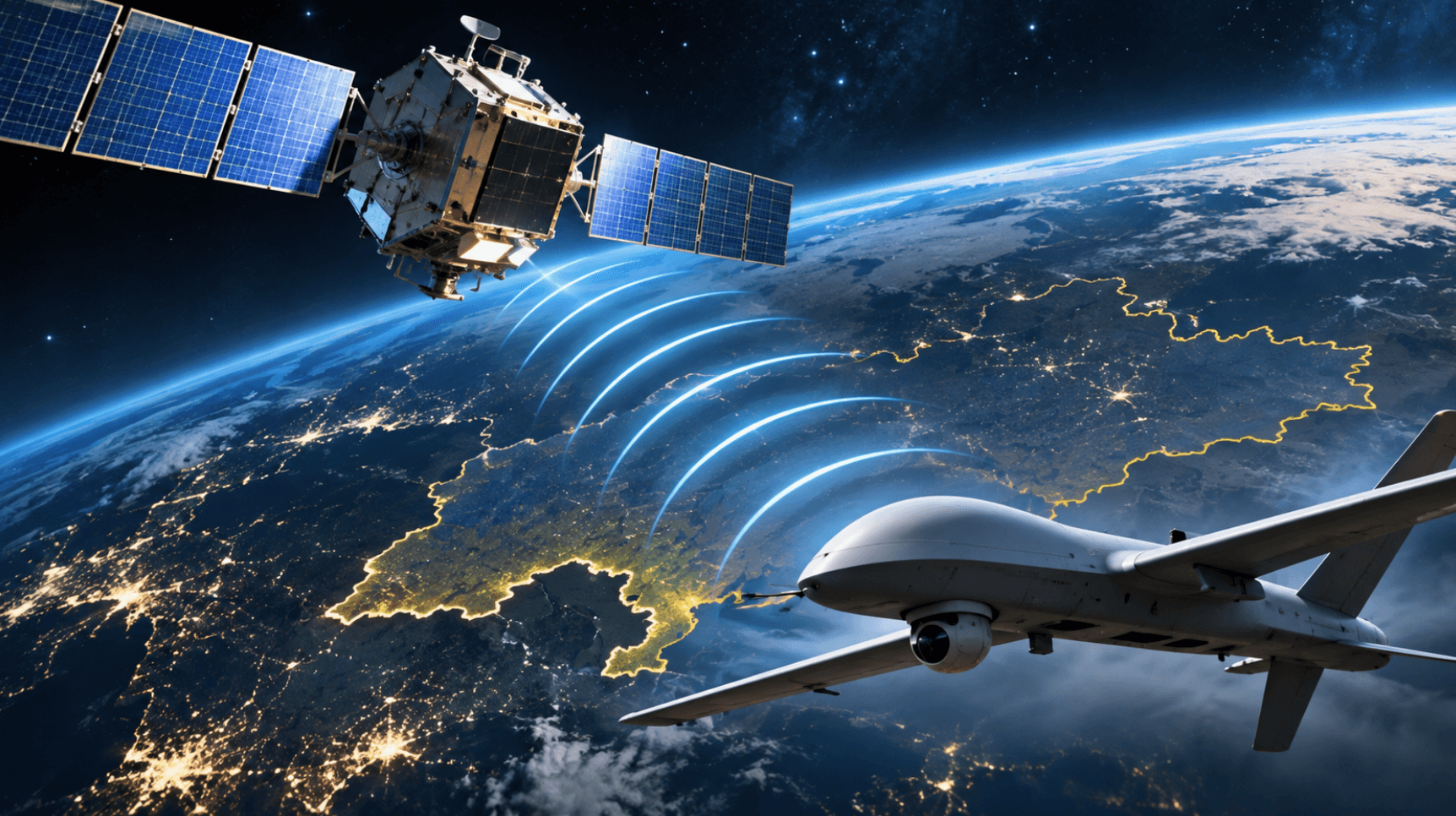
In an interview with the Financial Times newspaper, Oleksandr Danilyuk, an adviser to Ukraine's defense minister, said that the Russian satellite system Rassvet, which serves as an alternative to Starlink, could significantly increase the effectiveness of Russian strikes and weaken Ukraine's ability to protect its military infrastructure. According to him, the main danger lies not in Russia acquiring a Starlink alternative as such, but in the fact that relatively inexpensive attack drones would become a weapon capable of detecting, tracking and striking moving targets deep inside Ukrainian territory. He also pointed to the rapid expansion of drone production in Russia.
Reaction in Europe and analysts' assessments
The Financial Times writes that the deployment of the system could pose a security threat to Europe, since it allows drones to be controlled at any point within its coverage area. Rob Lee, a military expert at the Foreign Policy Research Institute, suggested that the system could be used for 'sabotage' in Europe. Analysts also noted that the United States would not be able to simply switch off the satellite signal over Ukraine, and that methods of jamming it are expensive and have a limited scope of application.
Background: statements about the system's use
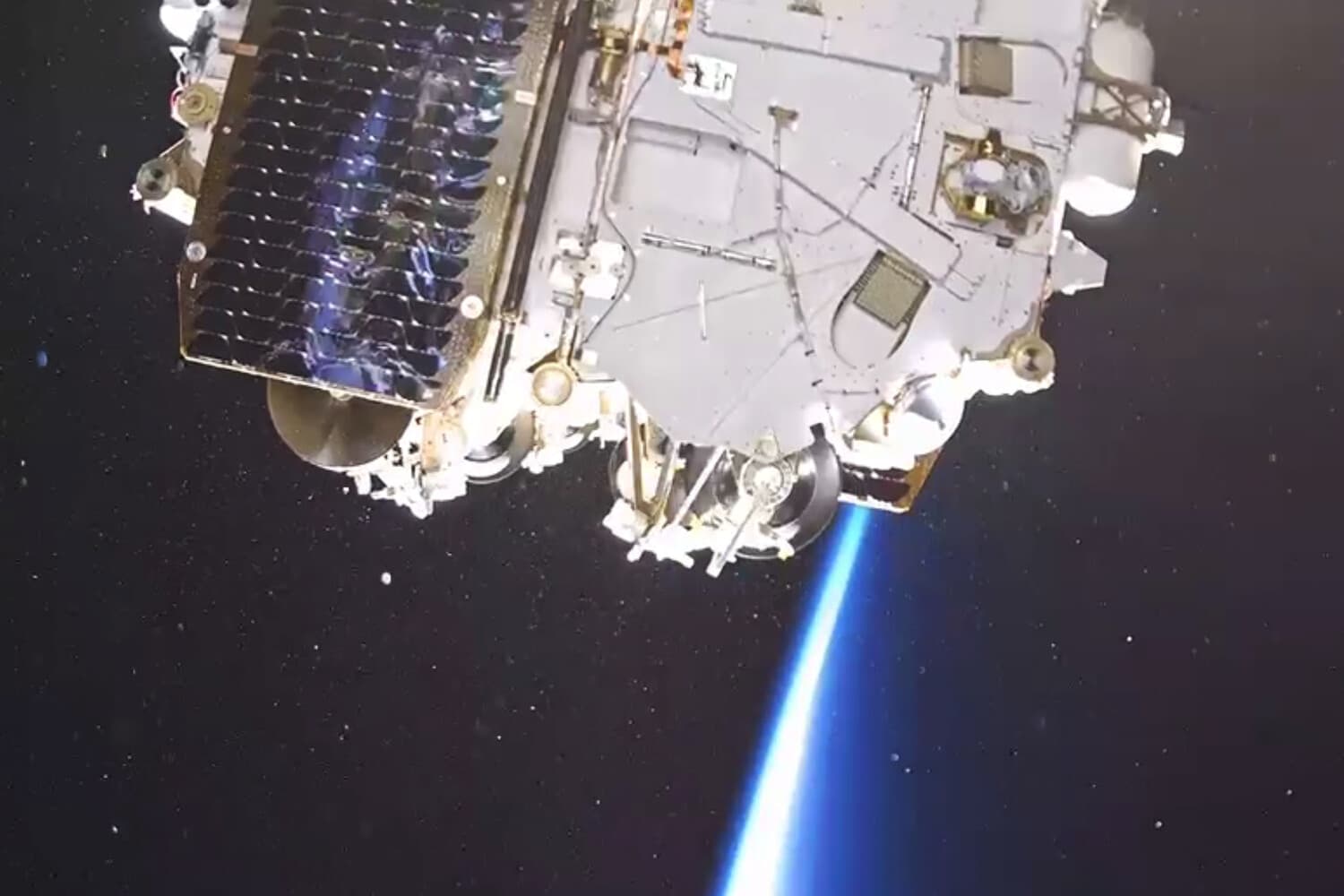
The existence of the system had been reported earlier: Reuters, citing Ukraine's Main Intelligence Directorate, wrote that Russia is already using its Starlink analogue, called Rassvet, over Ukrainian territory. In October, Serhii Beskrestnov, Ukraine's presidential adviser on defense technologies, called Rassvet the main threat to the country, while Russian President Vladimir Putin at the end of October described the system as only the first step in creating domestic low-orbit spacecraft. Earlier, Ukraine also stated that the system could become an argument with regard to NATO.
What is important to understand
All threat assessments in the publication come from Ukrainian officials and Western analysts; the article contains no independent confirmation of the system's characteristics. At the same time, reports from different sources — Ukraine's Main Intelligence Directorate, the presidential adviser on defense technologies, and Putin himself — agree on one thing: the system exists and its deployment is continuing, while the disagreements concern the scale of its use and its consequences. For Ukraine, the practical significance of the statements is that cheap drones with satellite communications would theoretically lose their dependence on ground-based control channels, which makes electronic jamming more difficult — although these conclusions are presented in the publication as opinions rather than established facts.