The key facts
- Pediatrician Tatyana Bandurina: at +15–16 °C in a classroom, warm clothing does not help; the danger is prolonged sitting without movement
- In her view, the combination of coolness and immobility worsens blood circulation and increases vulnerability to viruses, although cold itself is not the cause of ARVI
- The standard for classrooms is +18 to +24 °C; Life.ru previously published instructions on how parents can document a violation and where to complain
Doctor says a warm jacket in a cold classroom is not enough
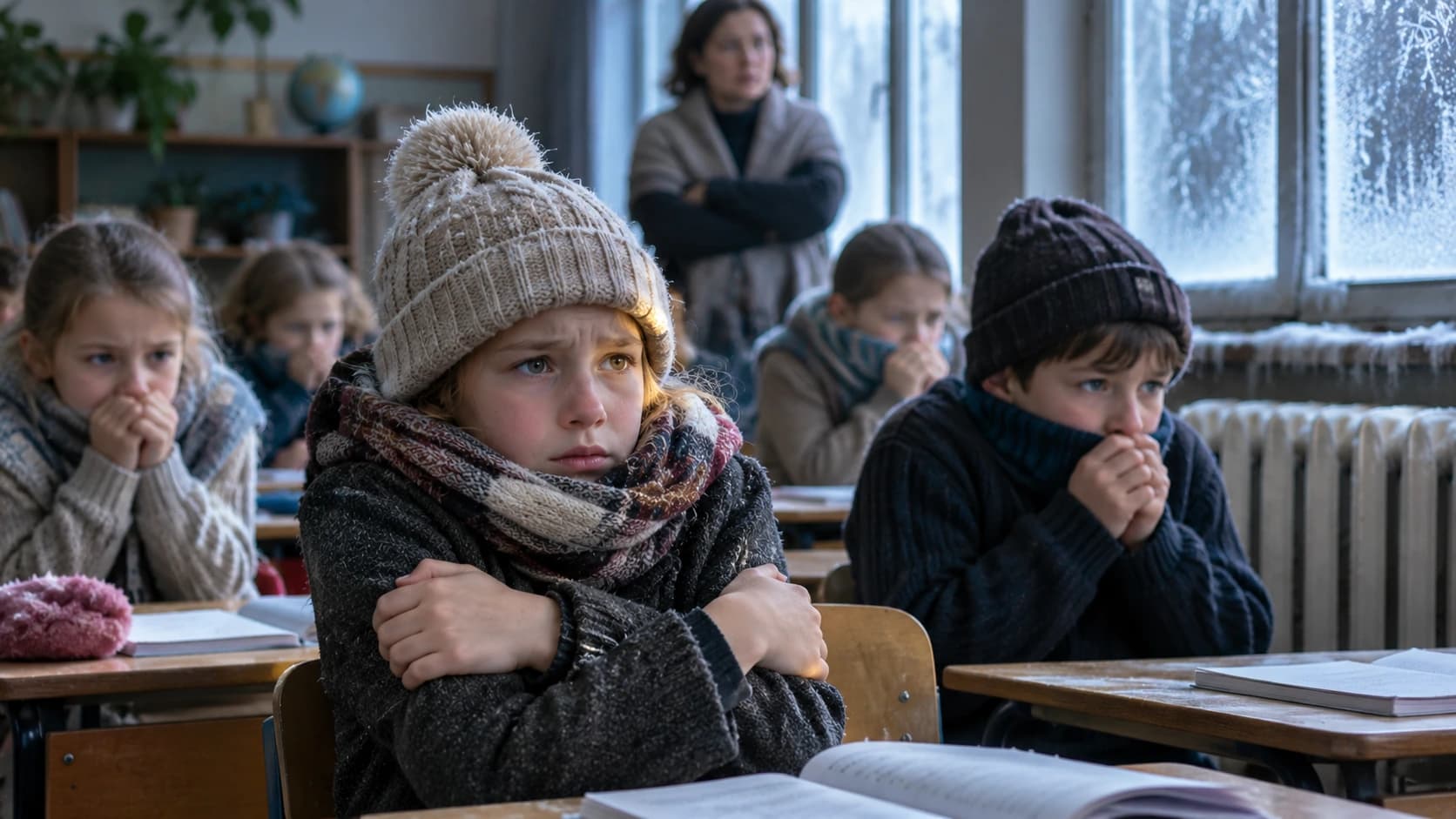
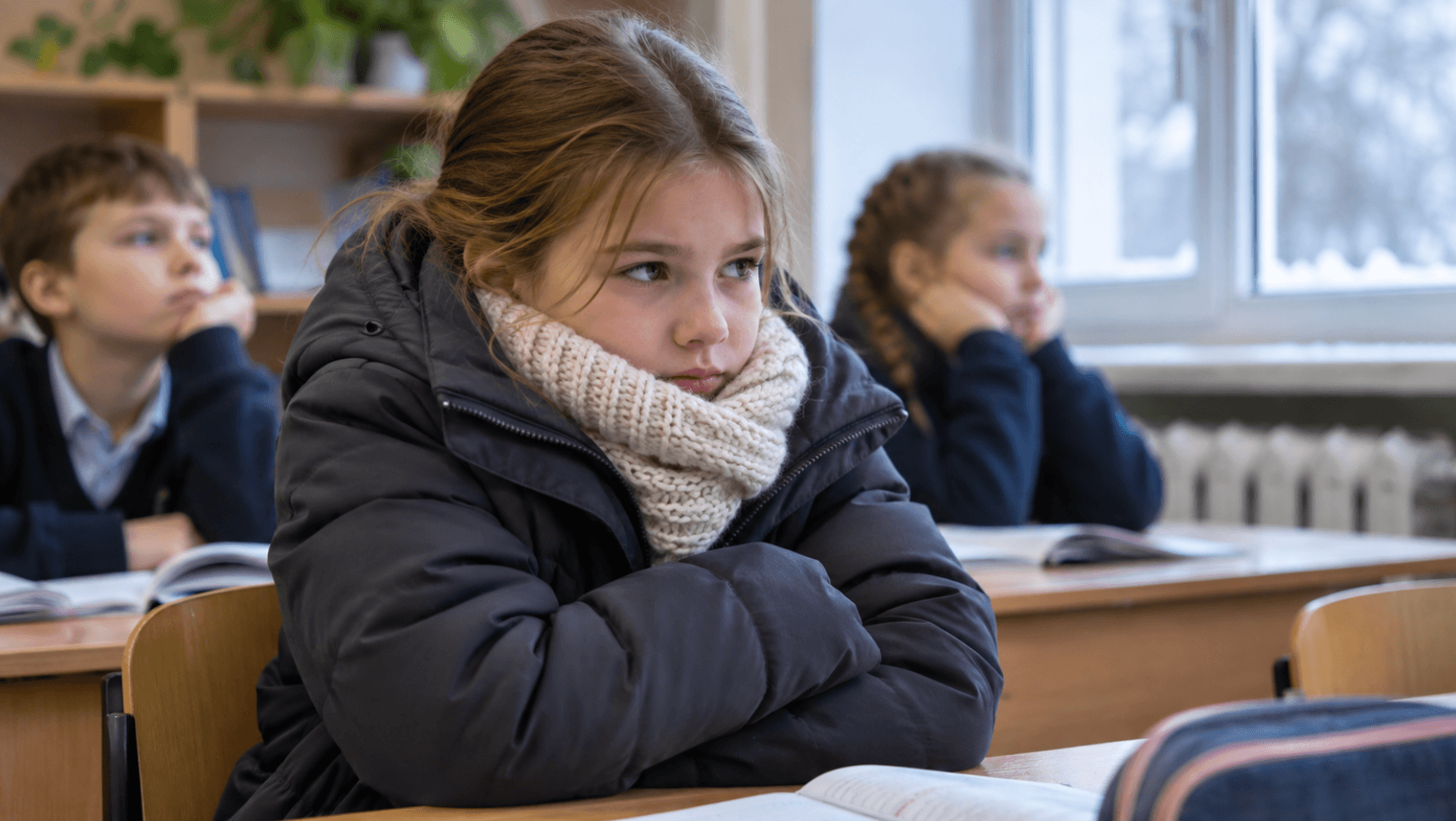
A child spending a long time in a cold classroom is endangered not so much by the cool air as by the inability to warm up through movement, pediatrician Tatyana Bandurina told Life.ru. According to her, at +15–16 °C even warm clothing does not solve the problem: outdoors a child moves around and warms up, but at a desk they have to stay still for several lessons in a row. 'The issue is not that the temperature is low, but that the child has no opportunity to actively warm themselves up with movement,' the specialist explained.
What, in the doctor's view, happens to the body
The combination of coolness and prolonged sitting, in Bandurina's assessment, worsens blood circulation and can weaken the body's defenses, making a child more vulnerable to viral infections. At the same time, she stressed that cold itself is not the cause of ARVI — falling ill requires infection with a virus. An extra sweater, she said, only partially reduces the discomfort: 'Sitting in a jacket will not help; it is unhealthy.' The doctor noted that schoolchildren are often forbidden to move actively even during breaks, and cited the example of her fifth-grade granddaughter, who sometimes has nine lessons a day with no chance to properly stretch. As a way out, she suggested that schools pay more attention to pupils' physical activity, including short warm-ups between lessons.
The standard and what parents should do
A temperature of +16 °C in a classroom does not meet Russian sanitary requirements: the permissible range is +18 to +24 °C. Life.ru previously looked in detail at what the temperature in a school should be, how to properly document a violation, and where parents can complain; according to the outlet, if a classroom is constantly cold, the school administration is obliged to take action rather than limit itself to advising parents to dress children more warmly. The practical point of the pediatrician's explanation is that the problem of a cold classroom is not just about clothing: even when the standard is met, prolonged motionless sitting remains a separate risk factor that parents can raise with the school alongside complaints about the temperature.