The key facts
- The planned trunk line capacity is 110 billion cubic meters per year, with the first 55 billion within two to three years (statement by Iran's Ambassador Kazem Jalali).
- At the start, the use of existing infrastructure is being considered; part of the pipelines needs to be restored and issues with Azerbaijan coordinated.
- An alternative at the start is swap operations: Russian gas goes to northern Azerbaijan, with an equivalent volume delivered to Iran from the south of the republic.
The ambassador's statement and project stages
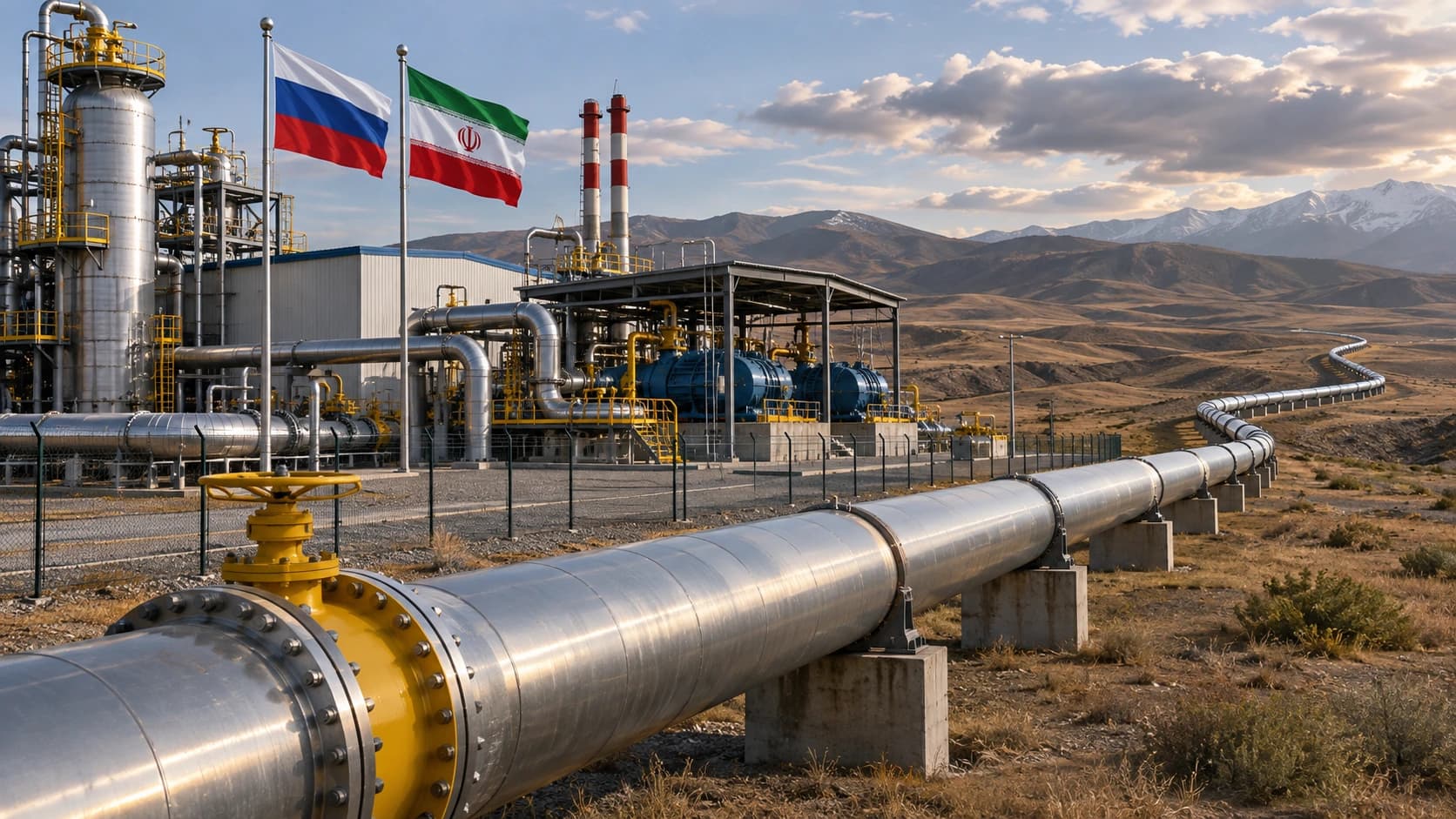
Russia and Iran may build a new gas pipeline with a capacity of up to 110 billion cubic meters per year, with the project's implementation expected to be divided into several stages. This was stated by Iran's Ambassador to Russia Kazem Jalali on state television; according to him, Tehran expects to secure the first 55 billion cubic meters of capacity within two to three years, while in the long term the parties intend to create a separate trunk line for transporting Russian gas with a final capacity of 110 billion cubic meters annually.
How supplies are proposed to begin
At the initial stage, Moscow and Tehran are considering the use of existing gas transportation infrastructure, but launching supplies will require restoring part of the pipelines and coordinating technical issues with Azerbaijan, through whose territory the gas is to pass. To avoid waiting for the completion of the new trunk line, the parties are discussing swap operations: Russia sends gas to northern Azerbaijan, while an equivalent volume of fuel is delivered to Iran from the south of the republic.
Context and previous agreements
Energy cooperation between the two countries has been developing since 2024, when Gazprom and the National Iranian Gas Company signed a strategic memorandum; in early 2025, the route through Azerbaijan was agreed. Notably, the maximum prospective supply volume was previously estimated at 55 billion cubic meters per year — now the figure is set to double. In late October 2026, Russian Energy Minister Sergei Tsivilev confirmed that Moscow was discussing swap supplies with Azerbaijan and Iran: according to him, the countries are interested in the project, but companies still have to resolve a number of complex technical issues.
Political background
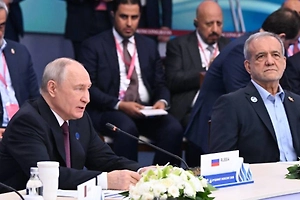
According to Life.ru, Vladimir Putin previously discussed with the Secretary of Iran's Supreme National Security Council Mohsen Rezaei the construction of gas pipelines and supplies of Russian fuel; the Iranian representative explained that gas imports would help the country overcome its domestic energy shortage and, in the future, open up opportunities to sell it to neighboring states.