The key facts
- Egypt opened the historic embassy building in Tripoli, closed in January 2014 after the kidnapping of five staff members; the mission resumed work in May 2021
- Abdelatty discussed trade with Dbeibah and voiced Cairo's objections to the 2019 Turkish-Libyan maritime agreement
- Libya's eastern parliament ratified the agreement on October 20; the EU stated that the deal cannot have legal force for other countries
Embassy reopened after twelve years
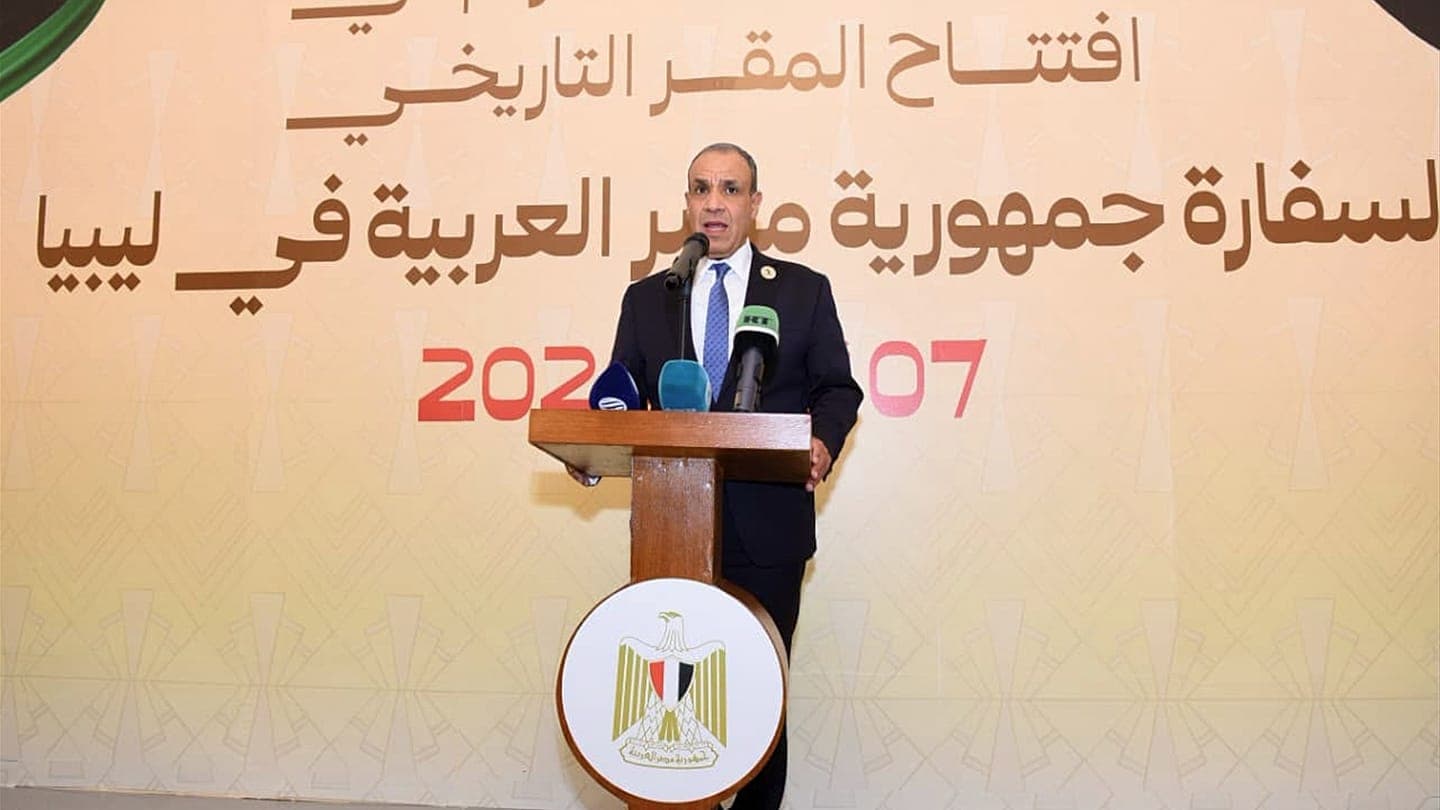
On Saturday, November 8, Egypt ceremonially opened the historic building of its embassy in the Libyan capital Tripoli — the ceremony took place during a visit by Foreign Minister Badr Abdelatty, reports euronews. The building was closed in January 2014 after armed men kidnapped five embassy staff; Egypt's diplomatic mission itself resumed work in Tripoli in May 2021, but, according to the report, it is only now that the status of the historic residence has been restored. At the ceremony, Abdelatty was joined by Libya's acting foreign minister, Taher al-Baour.
Talks on trade and energy
In Tripoli, Abdelatty met with the prime minister of the internationally recognized Government of National Unity, Abdulhamid Dbeibah. The sides discussed simplifying trade; according to Egypt's foreign ministry, Dbeibah highly praised the role of Egyptian companies and workers in Libya's reconstruction. Notably, Cairo long backed Khalifa Haftar — the military commander whose forces dominate eastern Libya, where a rival government is based — yet the meeting took place precisely with the head of the Tripoli cabinet.
Gas pipelines and oil refining
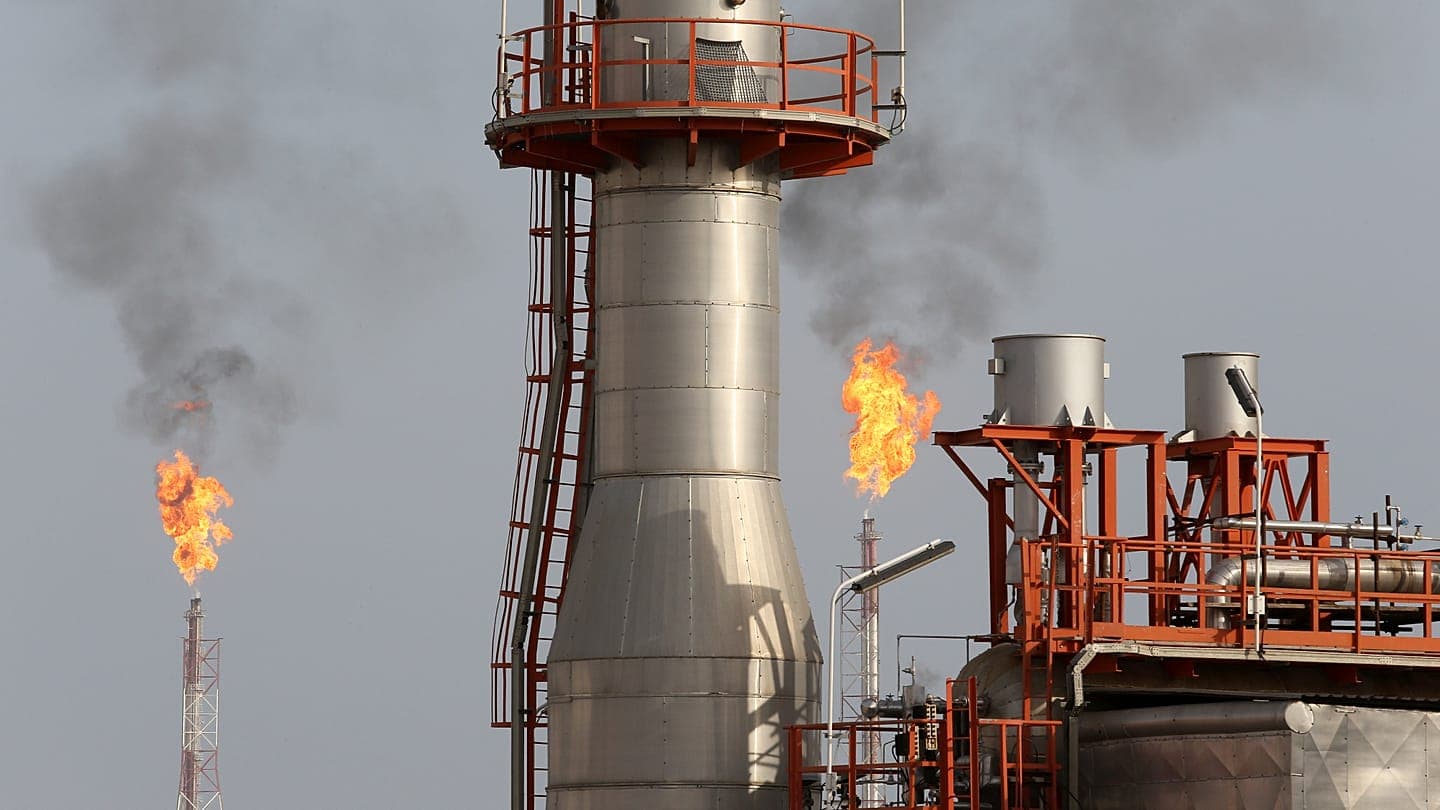
At the reopened embassy, Abdelatty also met with Libya's acting oil minister. The Egyptian minister called for accelerating work on gas pipelines between the two countries and on plans to refine Libyan crude oil in Egypt for export. The Libyan minister said he would travel to Cairo to continue the talks — Libya's state news agency reported this on Sunday.
The maritime boundary dispute
The 2019 Turkish-Libyan agreement on delimiting maritime zones in the Eastern Mediterranean was also a central theme of the visit. According to Egypt's foreign ministry, Abdelatty, in his conversation with Dbeibah, set out Cairo's objections and stated that Egypt's concerns must be taken into account when drawing maritime boundaries. Dbeibah, speaking on the Egyptian TV channel Al-Qahera News, said that at the next meeting officials of both countries would discuss maps and mutual claims.
Why the agreement is contested
The agreement draws a boundary between the Turkish and Libyan maritime zones in the Eastern Mediterranean, where several countries claim the right to explore for oil and gas. Greece argues that the boundary ignores the rights of Greek islands, including Crete, which lies between the Turkish and Libyan coasts; Egypt and Cyprus also oppose the deal. A significant shift in positions occurred in October: Libya's eastern parliament, which had opposed the agreement for years, ratified it on October 20. The next day, the EU stated that the deal infringes on the rights of other countries and cannot have legal force for them. Turkey's foreign minister, Hakan Fidan, for his part, called it 'a fully legitimate agreement both legally and politically.' Thus, the ratification, combined with the continued objections of Cairo, Athens and Nicosia, gave the dispute renewed relevance — which explains why the issue of maritime boundaries featured on the agenda of the first major Egyptian visit since the embassy's reopening.