The key facts
- The ceremony took place at the memorial in the Ludenberg district of Düsseldorf; Russian Ambassador Sergei Nechayev and representatives of German civil society took part.
- The cemetery arose on the site of a camp and military hospital from 1940; after 1941, Soviet servicemen died there in large numbers.
- The camp was liberated by American troops on April 17, 1945; the memorial stone is dedicated to 1,500 victims of Nazism.
Ceremony in Düsseldorf
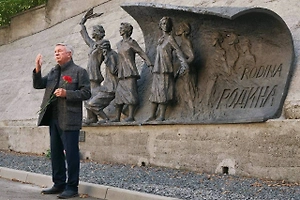
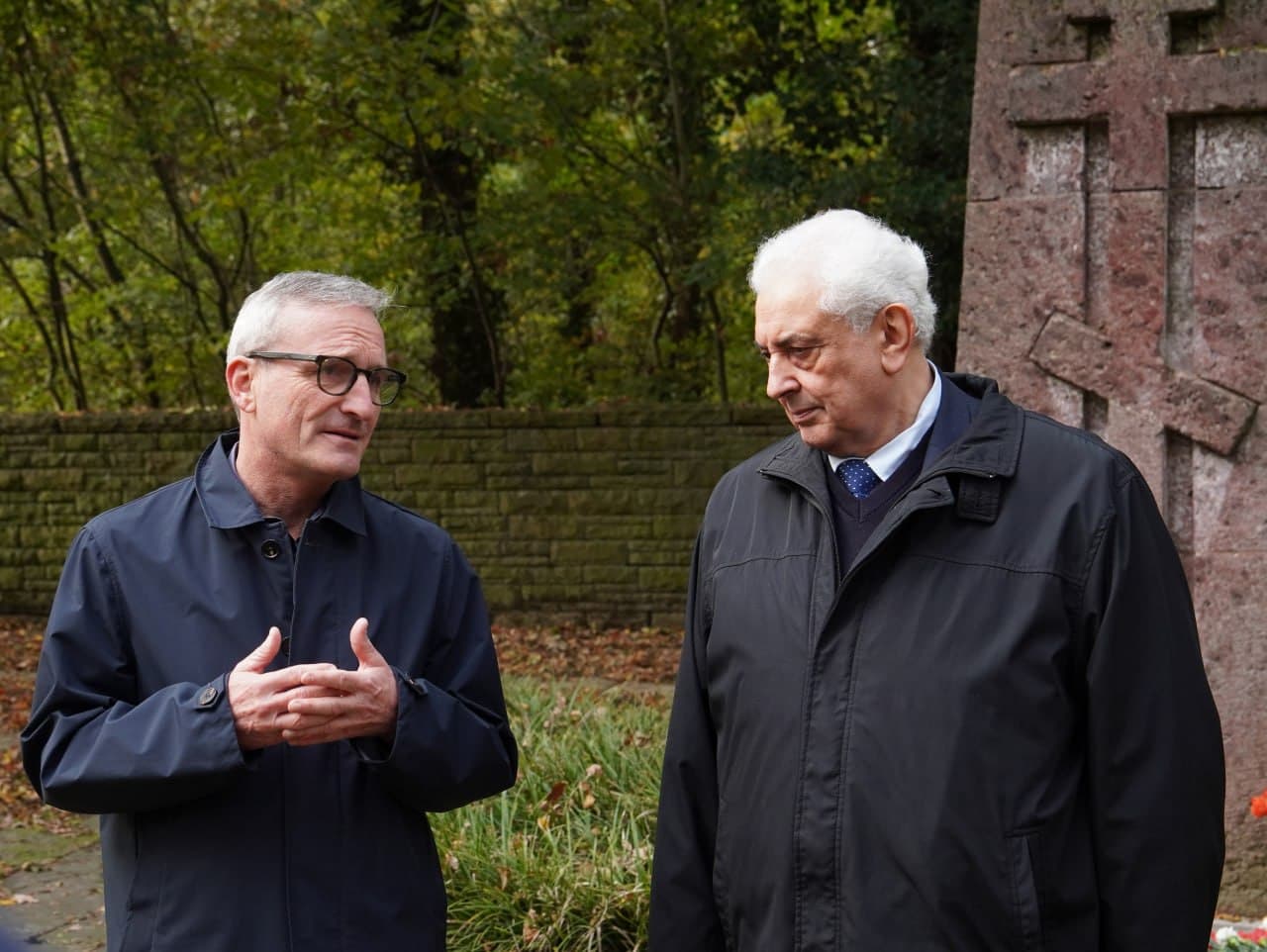
A memorial ceremony was held in Düsseldorf, Germany, for Soviet prisoners of war and civilians who died in Nazi captivity during the Great Patriotic War. Participants laid flowers and wreaths at the memorial in the Ludenberg district, as reported by the Russian Embassy in Germany. As Life.ruwrites, the event was attended by Russian Ambassador Sergei Nechayev, staff of the diplomatic mission, former Lord Mayor of Düsseldorf Thomas Geisel, representatives of German civil society, and compatriots living in Germany. A funeral litia was led by Father Mikhail, rector of the local Church of the Protection of the Most Holy Mother of God. Nechayev thanked those gathered for preserving the memory of the victims and for caring for Soviet military graves.
History of the memorial cemetery
The cemetery is connected with the Nazi forced labor system: in 1940, a camp and a military hospital were set up on this site, where prisoners from European countries were first brought. After Germany attacked the USSR in 1941, the majority of patients were exhausted and seriously ill Soviet servicemen, many of whom had previously worked at industrial enterprises in the region. Hunger, epidemics, harsh conditions of detention, and the lack of medical care led to mass deaths among the inmates. The camp was liberated by American troops on April 17, 1945, as they entered Düsseldorf from the direction of Hilden. As early as May, the surviving prisoners erected a memorial stone with inscriptions in Russian and German, dedicated to 1,500 victims of Nazism. Most of the burials remain communal; only two graves bear names — they hold Soviet citizens who died after liberation, and they were buried by American servicemen. The remains of prisoners from France, Belgium, and other Western countries were repatriated after the war, while the Soviet burials were preserved in Düsseldorf. In 1963, the memorial complex was reconstructed: a granite Orthodox cross and a relief with the inscription 'Eternal glory to the heroes who fell for the freedom and independence of the Soviet Motherland' appeared on its grounds.