The key facts
- Voters in the US midterms rejected dozens of local measures that would have eased data center construction
- In Texas, Gina Ortiz-Jones won, having promised to limit data centers
- OpenAI released a compute campus policy: no more NDAs and more openness
The elections have changed the conditions for data centers
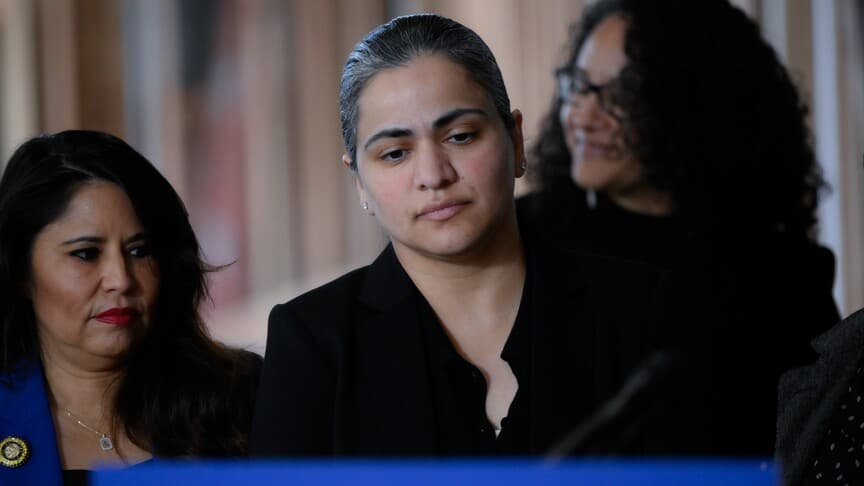
The US midterm elections, which ended in a victory for the Democrats, could noticeably affect the technology industry — this is how the situation is assessed by TechCrunch in an episode of the Equity podcast. According to the publication, in dozens of local votes, voters rejected measures that were supposed to speed up data center construction; at the same time, as TechCrunch clarifies, many of the measures put to a vote, on the contrary, imposed restrictions or moratoriums on data centers — and almost all of them passed. In addition, voters chose politicians who promised to limit such projects: in Texas, Gina Ortiz-Jones was elected governor, defeating Greg Abbott and openly speaking about limiting data centers as a campaign promise.
Musk and Texas
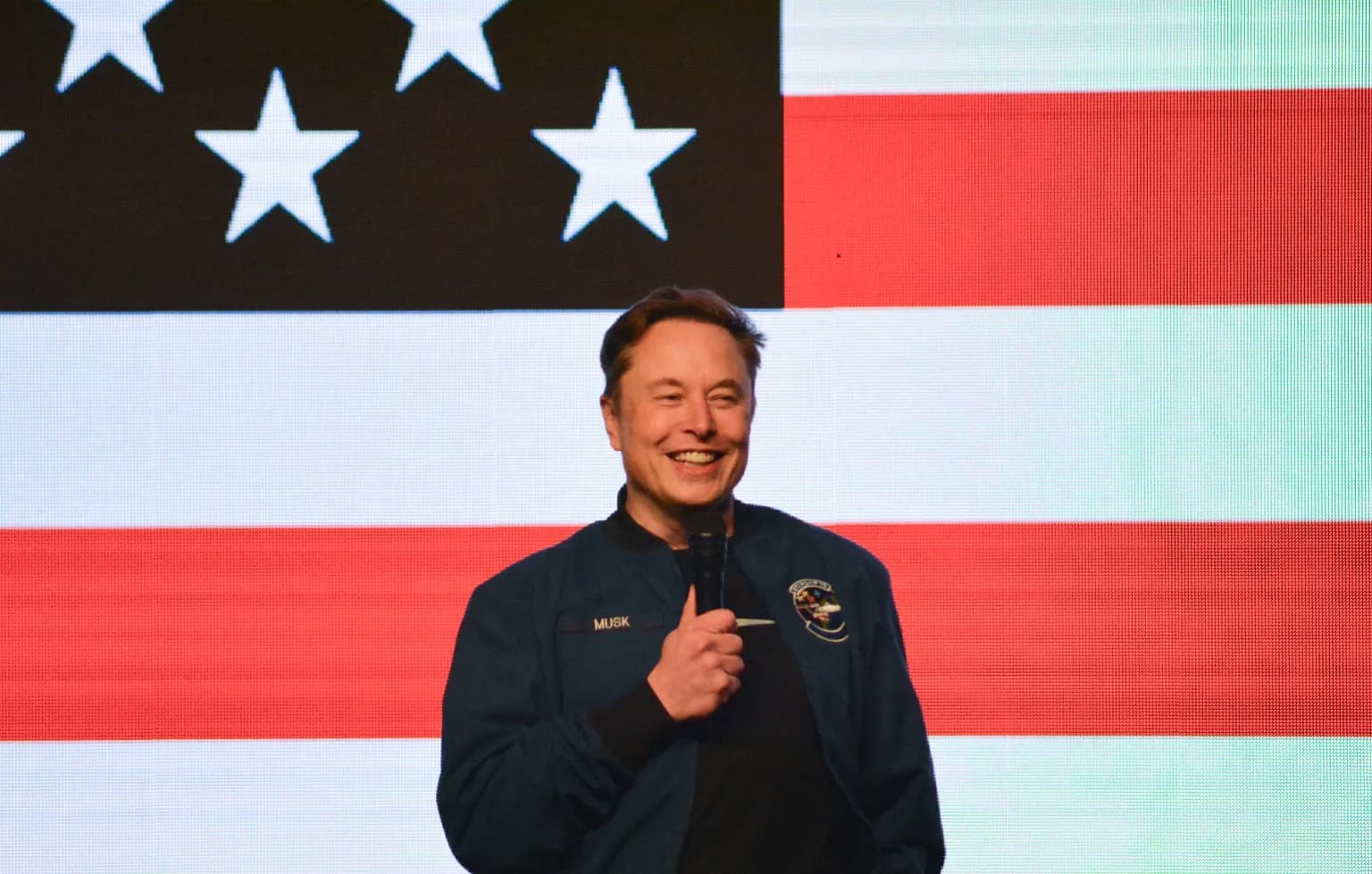
A separate topic of discussion was Elon Musk's position. TechCrunch columnist Sean O'Kane noted that Musk, who donated to Republicans, in his words, 'half a billion dollars — possibly even more, once the counting is finished,' 'appears to have gotten practically nothing out of it': his companies are now based in a state that for the first time in a long time has 'become as blue as it can possibly be.' The publication's correspondents agree that data centers were probably not the main reason for the 'blue wave,' but anti-AI and especially anti-data-center sentiment has become a noticeable political force that the Democrats managed to use more effectively.
Openness instead of secrecy — and a rebranding
Kirsten Korosec explains why the data center topic has become 'increasingly mainstream': hyperscalers, according to her, negotiated projects in secret — requiring NDAs from elected and appointed officials and not disclosing the scale of projects in environmentally sensitive areas, including in the Southwest, where the water shortage problem is acute. This, in her assessment, angered voters of all political persuasions, although it was not the only motivation for voting. The industry's reaction is already visible: OpenAI has released a document called compute campus policy blueprint, in which it promises to no longer require NDAs, to share plans, and to work with less secrecy. The podcast hosts note that the term 'compute campuses' is also an attempt to rebrand the 'toxic' word 'data center'; O'Kane is skeptical: in his opinion, it 'won't change anything.' The full text of the blueprint document is available on OpenAI's website.
A double blow: politics and Wall Street
Podcast host Anthony Ha asks whether the choice will become 'the second part of a double blow' for hyperscalers: Wall Street, according to him, is already not thrilled that companies are spending huge sums on building data centers and computing capacity, meaning there is no financial incentive to build them either. A contradiction arises: building will become harder both regulatorily and financially, but to achieve the desired scale, companies will probably still have to build data centers somewhere. The full conversation is available on the Equity podcast on Apple Podcasts and Spotify.