The key facts
- US struck air defenses on Qeshm Island; Trump calls the strike “minor” and speaks of progress in the talks
- Qatar denied reports that the talks had collapsed and presented new proposals; Iran demands the lifting of the port blockade, sanctions relief, and compensation
- The IRGC claimed an American drone was shot down — the US did not confirm this
New strike and parallel talks
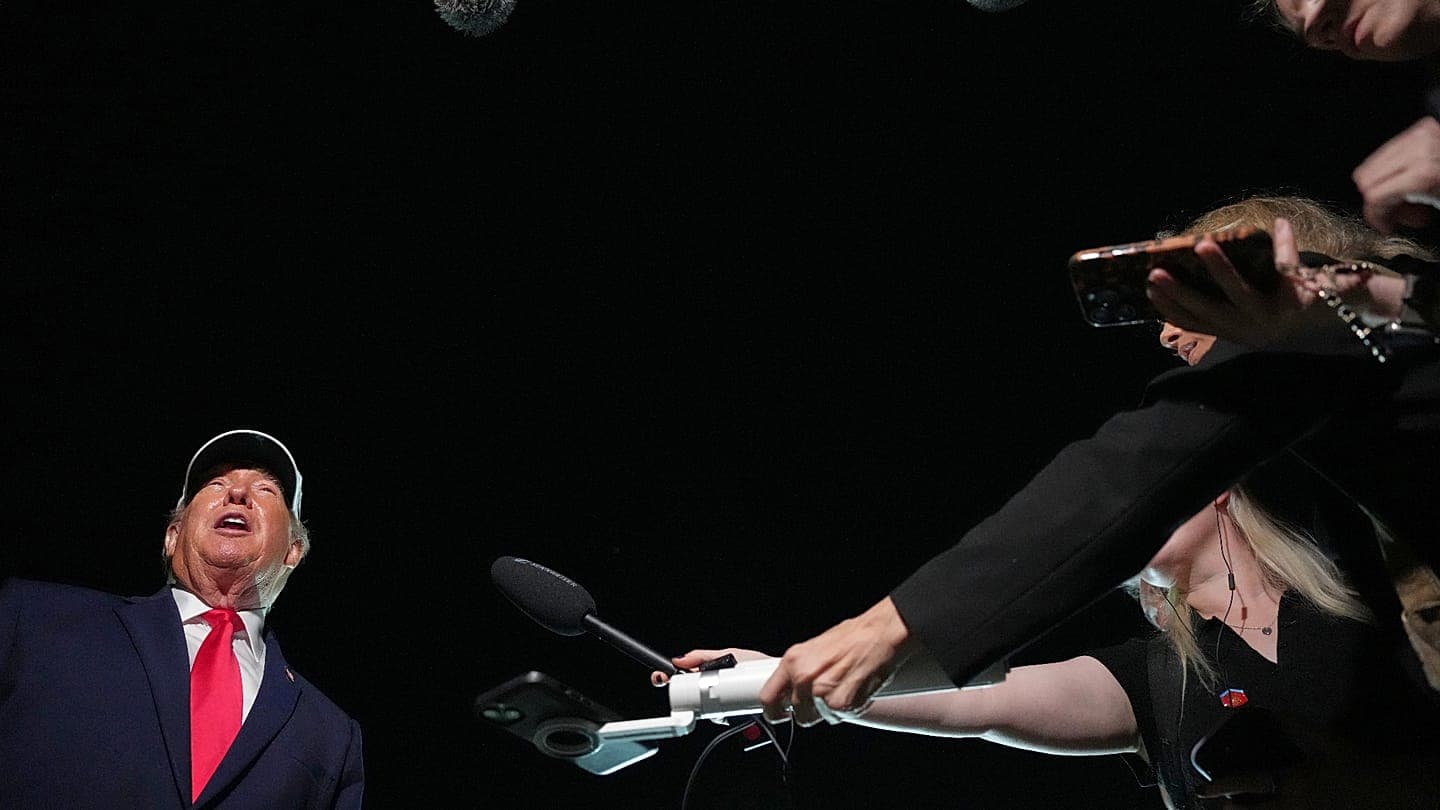
US forces carried out, by their own account, limited airstrikes in southern Iran overnight into Friday. President Donald Trump told reporters that the targets were Iranian air defense systems on Qeshm Island: “They had built some kind of anti-aircraft installation there, and we put it out of action in about 15 minutes, maybe five.” According to him, “we are not at war,” and at the same time the US has “made great progress with Iran” in talks being conducted by Qatar as the main mediator: “We are working with them right now. They want to make a deal.” Iranian state media reported two missiles striking the Suza area of Qeshm Island, without specifying targets or damage; local residents wrote on social media about explosions. This is reported by Euronews.
What preceded it and what Iran says
The strike was the first since the Democratic Party’s major victory in the midterm elections, which officials and analysts link to voters’ disagreement with Trump’s decision to enter the war with Iran. It followed a series of strikes on Monday, which the US military described as defensive: explosions were then heard on Qeshm and Hengam islands in the Strait of Hormuz and in the Bandar Abbas area. Earlier on Friday, the Islamic Revolutionary Guard Corps said it had shot down an American military drone over southern Iran, but the US did not confirm this. In Florida, Trump defended the decision to go to war by saying that “if I had allowed Iran to acquire nuclear weapons, there would be no Israel today.”
Tehran’s conditions and diplomatic activity
Qatar denied reports circulating on Friday evening that the talks had supposedly collapsed, stating that “Qatari mediators remain in close coordination with the United States and Iran.” According to the AP, cited by Euronews, two officials from Middle Eastern governments said Iran is considering Qatar’s proposals on the nuclear program but is not yet ready to negotiate until the US accepts key conditions: an end to the military blockade of Iranian ports, the lifting of sanctions, the unfreezing of assets, compensation for war damage, and a cessation of hostilities in the region, including Israeli operations in Lebanon. The war has already lasted more than eight months, and Trump insists that the nuclear issue must be resolved as part of any deal.
Calls and warnings
On Friday, Trump discussed de-escalation diplomatic efforts with the Emir of Qatar, Sheikh Tamim bin Hamad Al Thani; the emir stressed the importance of dialogue, freedom of navigation, and the security of energy supplies, the Qatari agency reports. US Defense Secretary Pete Hegseth spoke with his Qatari counterpart, while Qatar’s Prime Minister and Foreign Minister Sheikh Mohammed bin Abdulrahman Al Thani said in Oxford that “we will never have a perfect peace agreement, but we cannot simply wait for the moment of a perfect deal and refuse a good deal.” Iranian Foreign Minister Abbas Araghchi said that over two days he held talks with at least 12 foreign ministers and called for “regional security arrangements without the interference of extra-regional powers.” A spokesman for the Iranian army, Brigadier General Mohammad Akraminia, warned, according to the Fars agency: “we will never allow enemy bases to be restored in the region.” Danny Citrinowicz, former head of the research division of Israeli military intelligence, assessed on X that Tehran is “not intimidated” by the prospect of a new confrontation and, if attacked, would likely try to widen the war by striking the Gulf states, and that the main danger is that Washington may count on a short operation while Tehran is preparing for “a much broader and potentially protracted regional war.”