The key facts
- The Central Bank of Paraguay began a resolution procedure against Ueno Bank on November 3, 2026, over a violation of minimum solvency requirements
- 27 people have been charged, and the head of Grupo Vazquez has been taken into custody
- President Peña submitted his resignation on November 5, but Congress did not accept it; the Chamber of Deputies unanimously voted for impeachment
A bank serving nearly half the country lost its solvency
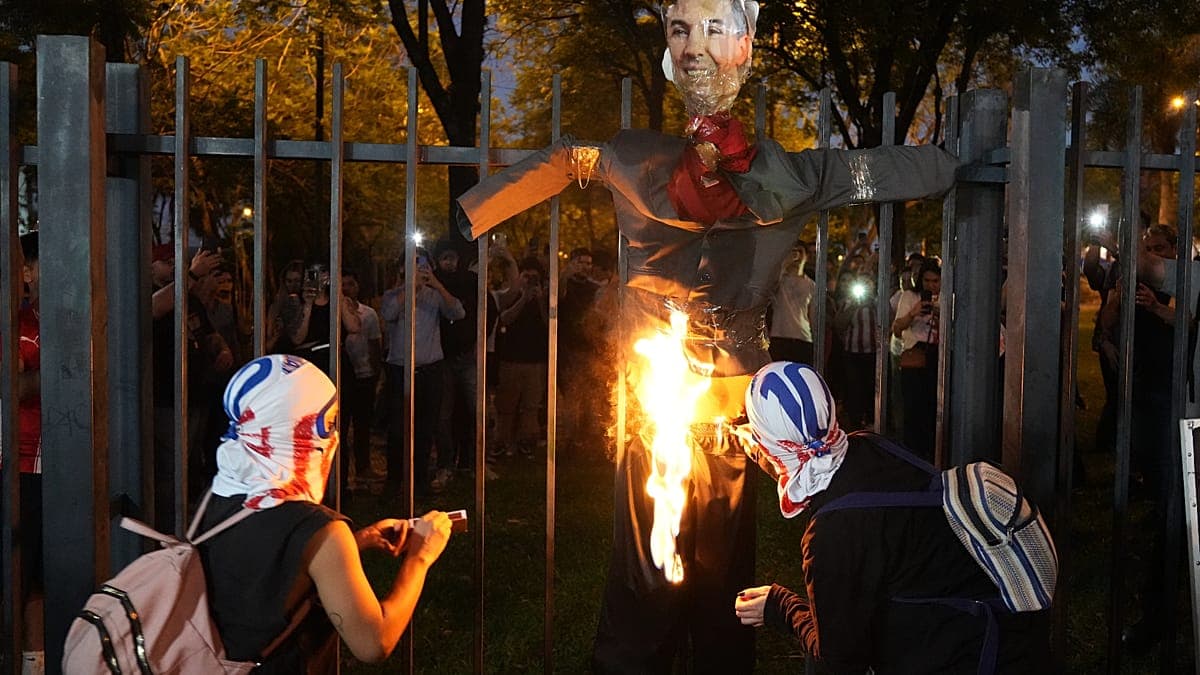
The crisis began on November 3, 2026, when the Central Bank of Paraguay (BCP) initiated a resolution procedure against Ueno Bank, finding a violation of minimum solvency requirements: the bank lacked sufficient capital to cover the risks it had taken. Operations were abruptly suspended, millions of customers lost access to their accounts, and police were stationed at branches due to protesting depositors. Reported by Deutsche Welle.
What is known about the bank and its ties to the president
Ueno Bank is the digital bank of the Paraguayan conglomerate Grupo Vazquez, launched in 2021 and quickly growing to about three million customers — nearly half the country's population. According to media outlets cited by DW, the bank managed state funds amounting to 800–850 million dollars; its largest investor is the social insurance institute IPS, responsible for pensions and social benefits. The prosecutor's office is also questioning why the regulator did not intervene earlier, despite signs of trouble.
Charges and arrests
On November 4, the prosecutor's office charged 27 people: eight bank executives and 19 individuals connected to the bank. The investigation is being conducted on suspicion of breach of trust, attempted fraud, failure of duties in a crisis situation, and violation of the duty to keep records. On November 5, a court took several former top managers of the bank into custody, including the president of Grupo Vazquez, Federico Miguel Vazquez Villasanti; two others were placed under house arrest.
Political crisis: resignation not accepted, but impeachment launched
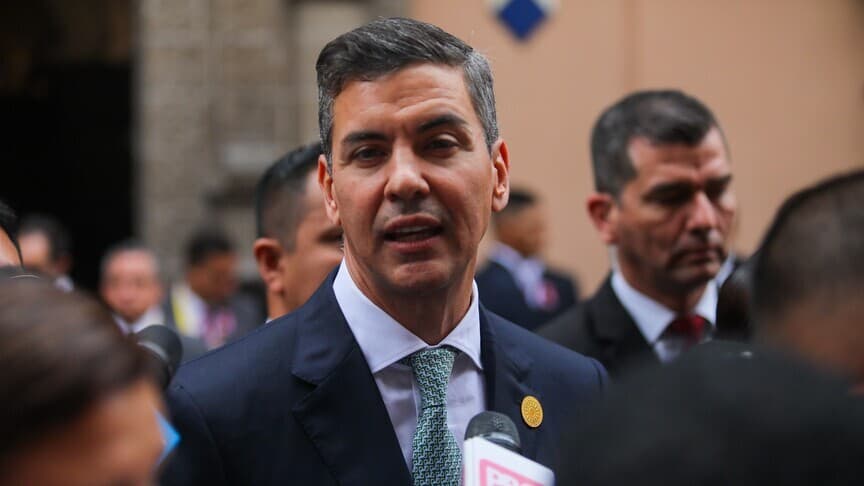
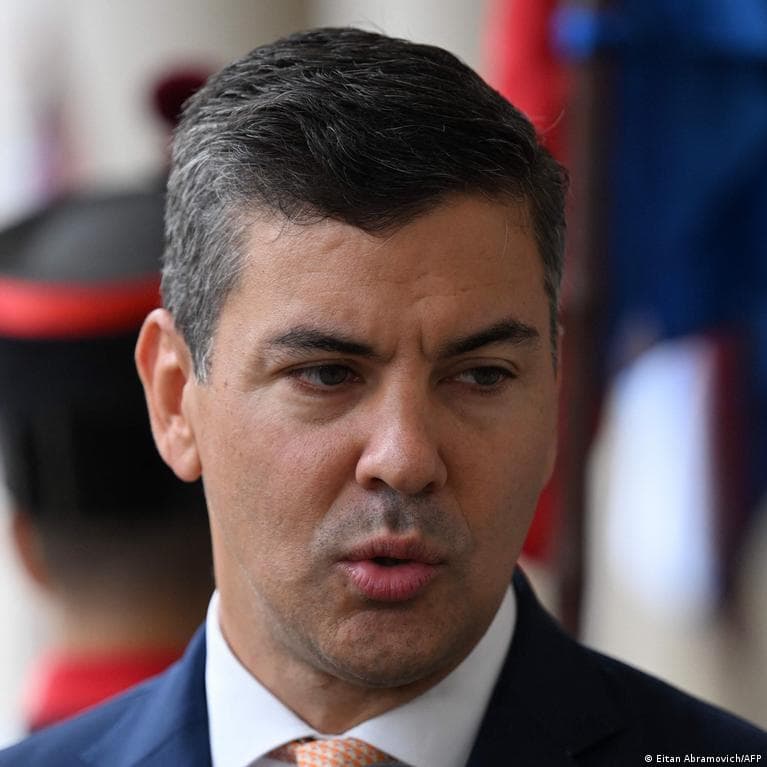
Pressure on President Santiago Peña intensified due to his business ties with Grupo Vazquez, which he maintained until March 2025 — almost two years after his election. He himself denies direct involvement in the bank's affairs. Also called into question is his 2023 appointment of Carlos Carvallo as head of the Central Bank; Carvallo had previously headed the financial company Financiero Ueno, which became Ueno Bank. Carvallo resigned on November 3 at Peña's request.
Next steps
On November 5, Peña submitted his resignation, but Congress did not accept it: a joint session of both chambers failed to reach a quorum, and the Chamber of Deputies unanimously voted for impeachment. The Senate began a removal procedure on charges of serious dereliction of duties; Peña stated that he would defend himself. As DW explains, the stakes are high: with an ordinary resignation, Peña would automatically have become a senator for life and received parliamentary immunity, whereas impeachment strips him of that status and opens the possibility of criminal prosecution. If the president leaves office, Vice President Pedro Aliana will take his place, and Congress will have to elect a new vice president; the current term runs until August 2028.
What about depositors' money
The Central Bank has begun a liquidation procedure for the bank. By law, deposits up to the equivalent of 37,600 dollars per customer are protected, and a law has been passed allowing early payment of about 20,000 dollars to a depositor. However, it remains unclear when customers will actually receive their money and what will happen to amounts above the protected maximum — given that roughly half the country's population is directly affected.