The key facts
- Paraguay's prosecutor's office ordered the detention of former president Santiago Peña; there is no data yet on an actual detention
- The investigation is linked to the collapse of Ueno Bank, Peña's assets in Ueno Holding and the placement of state funds in the bank
- On November 6, the Senate unanimously removed Peña from office: 44 votes in favor, none against
Detention order
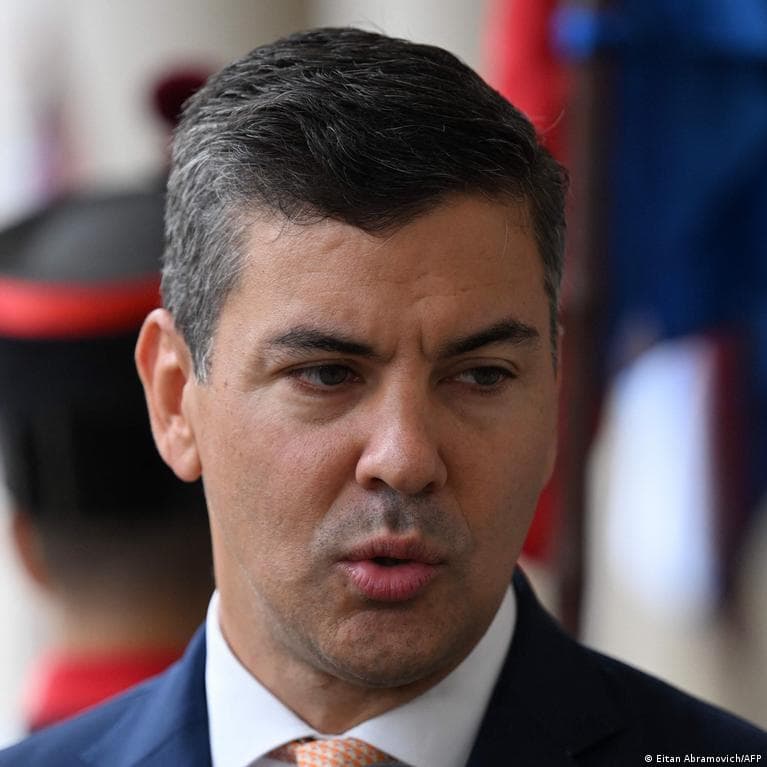
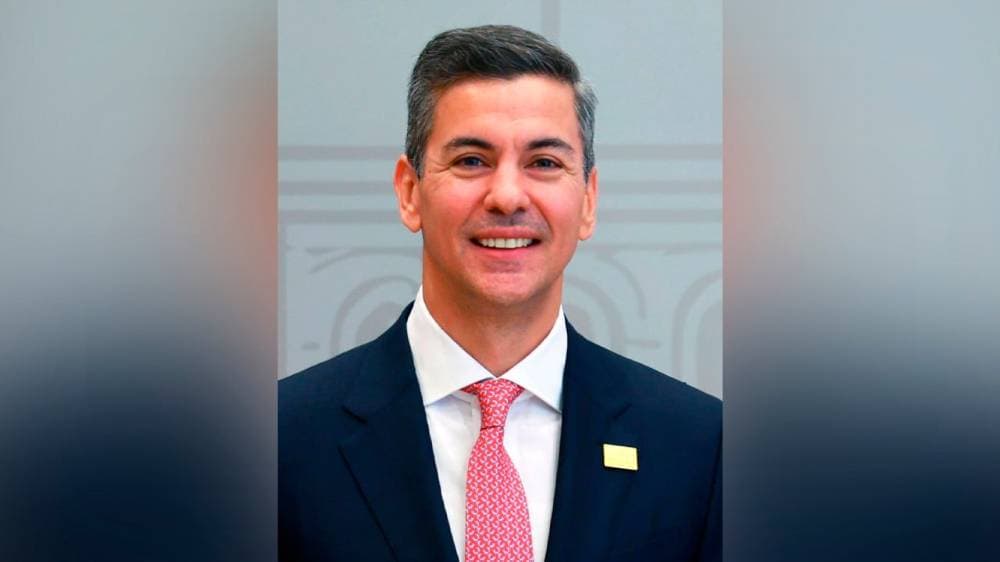
Paraguay's Attorney General's Office has ordered the detention of the country's former president Santiago Peña, who was removed from power following the banking scandal around Ueno Bank. The politician is suspected of breach of trust and other possible crimes related to the bank's activities. This was reported by the outlets ABC Color and ABC, which are cited by Life.ru and Gazeta.Ru.
Who signed the document and how
The mandatory detention order was handed to the leadership of the National Police for execution. According to Life.ru, citing ABC Color, the decision was made by prosecutors of the unit for combating economic crimes and corruption as part of criminal case No. 92/2026. The ABC newspaper specifies that the order was signed by prosecutors from several divisions at once — economic crimes, anti-corruption, cybercrime and money laundering. At the time of publication, however, there was no information about Peña actually being detained.
What the investigation is examining
The investigation is looking into the possible involvement of the former head of state in financial violations surrounding Ueno Bank and an alleged conflict of interest. According to ABC Color, in 2023 Peña declared a stake in a holding company linked to the bank worth more than six billion guaranis; Gazeta.Ru cites ABC's clarification — this refers to shares in Ueno Holding worth 6.144 billion guaranis (about $1 million), sold in April 2025. In addition, the former president owned a Ueno deposit certificate worth 2.4 billion guaranis and bonds of the company Itti.
State money in the bank
Particular attention from the prosecutor's office was drawn to the placement of state funds in Ueno Bank accounts. According to the complainants, officials may have committed violations in managing this money, and the Central Bank leadership may have failed to respond in a timely manner to the bank's deteriorating situation. The ABC newspaper specifies the list: funds of the Institute of Social Security (IPS), the binational entities Itaipu and Yacyretá, and the Ministry of Economy are being examined. Law enforcement is establishing who made the relevant decisions and whether they were lawful.
Impeachment the day before
The detention order came the day after Peña was removed from office by parliament. The trigger for expanding the investigation was a complaint filed by a group of parliamentarians on November 5, and on November 6 the Senate voted for impeachment: 44 senators supported the removal, with no votes against. The Senate unanimously found Peña guilty of improper performance of official duties — this decision deprived the politician of the opportunity to receive a lifetime seat in the upper chamber and the immunity associated with it. Gazeta.Ru also reported that earlier the president resigned against the backdrop of the financial scandal; however, Life.ru describes the removal specifically as an impeachment rather than a resignation — the sequence of these steps differs between the publications.