The key facts
- The Financial Times obtained access to a letter with threats of new attacks; no evidence of the plans has been presented
- The sender of the letters to European media identified himself as “Mikhail Andropov”; his identity has not been established
- On November 6 alone, at least 15 flights received explosives warnings, nine of them linked to Prague
Threats of new attacks and letters to European media
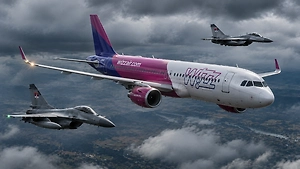
Unknown individuals who previously claimed responsibility for the mass bomb-threat messages about aircraft in Europe have threatened a new wave of attacks. Among the possible targets they named passenger airliners, cruise ships, metro stations and trains. This was reported by the Financial Times, which obtained access to the letter containing the threats. The letter claims that the recent incidents are only the beginning of larger-scale actions: “This week’s events are just a small part of what awaits Europe in the near future.” The senders announced preparations for new attacks, but provided no evidence that these plans are real.
The sender’s identity has not been established
According to Reuters, several European media outlets received similar emails. Their author identified himself as Mikhail Andropov and declared himself one of the leaders of the group that allegedly organized a series of threats against passenger aviation. It has not yet been possible to establish the sender’s identity or verify the accuracy of his claims.
The scale of the threats on November 6
On Friday, November 6 alone, warnings about possible explosives were received for at least 15 passenger flights. Security services are inspecting the aircraft, some crews have been forced to change their routes, and airports are tightening security measures. The largest number of alarming messages was recorded in the Czech Republic: the threats affected nine flights connected with Prague airport — four aircraft were heading to the Czech capital, and another five were preparing for departure. Police organized checks of the planes, but the airport’s operations remained virtually unchanged.