The key facts
- On 6 November, threats affected Ryanair (Rome — Lisbon) and Wizz Air (Prague — Rome, landing in Venice) flights
- On Thursday, according to Euronews, at least 25 flights across Europe received false threats, and at least eight earlier in the week
- No confirmation of explosives; European Commissioner Tzitzikostas said it is too early to conclude the incidents are connected
Two new incidents in a single day
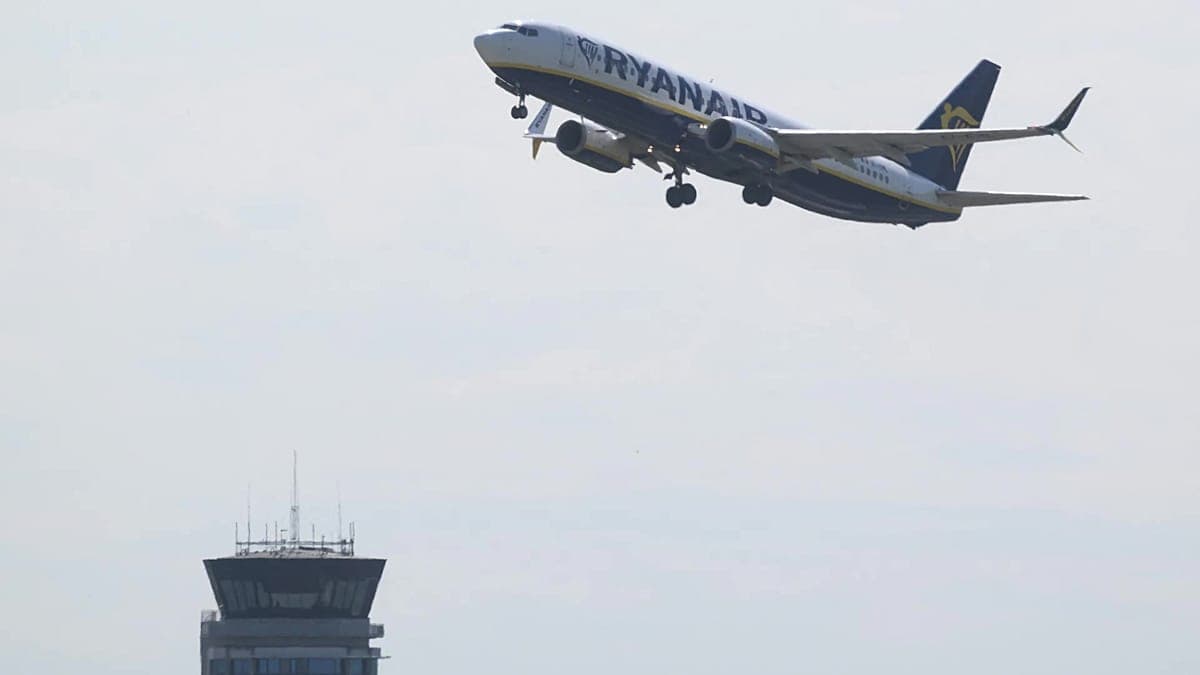
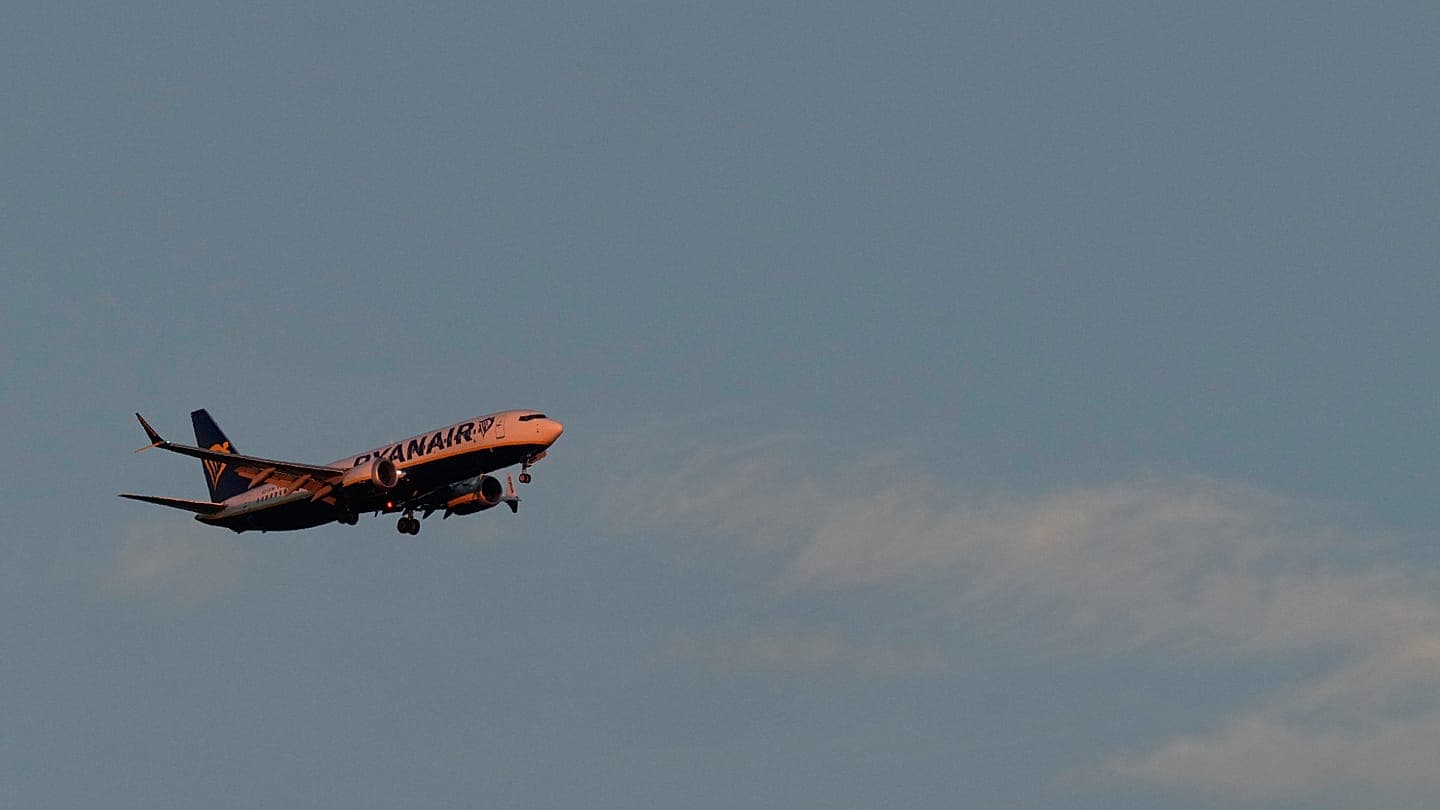
On Friday, 6 November, the wave of bomb threats against European aviation continued: two flights were affected. A Ryanair aircraft flying from Rome to Lisbon landed at Humberto Delgado Airport at around 8 a.m., after which the authorities began checks. According to CNN Portugal, as cited by Euronews, a call about a possible explosive device came in by phone from a person claiming to be a 'law enforcement officer'; according to the outlet, the person's identity was verified by the Judicial Police. According to another version, which sources also report, the call was anonymous and was addressed to the dispatchers of Rome's Fiumicino airport. FlightRadar recorded that flight FR8196 departed Fiumicino at 5:45 local time and landed in Lisbon at 7:54.
The diverted Wizz Air flight and the authorities' response
The second incident involved a Wizz Air aircraft travelling from Prague to Rome: after a threat, the plane changed its route and landed in Venice. In both cases, there is no confirmation of explosive substances on board. In response to an Euronews inquiry, the Lisbon airport administration referred journalists to the Public Security Police (PSP), which has not yet confirmed the incident; the Judicial Police also did not respond to requests.
The scale of the wave and the industry's position
The new alerts followed Thursday, when, according to Euronews, at least 25 flights across Europe were targeted by false threats, and at least eight earlier in the week. European Commissioner for Transport Apostolos Tzitzikostas said on Thursday that 'it is still too early to draw conclusions about whether the reported incidents are connected.' The International Air Transport Association condemned attempts to disrupt air transport; IATA's Vice President for Operations and Safety Nick Careen called on the authorities to establish 'the source of these false threats' and stressed that the industry 'takes all threats seriously.' For passengers, the practical consequence is delays, diversions and flight checks with every such call, even if the threat is ultimately not confirmed.