The key facts
- The EU–UK summit will take place on 20 November in Brussels; negotiators assess the deal as '90%' ready
- The key dispute is the youth visa quota: the EU proposed 150,000, the UK 50,000
- Michel Barnier warns that an 'à la carte' return to the single market is impossible without freedom of movement
The Brussels summit and the almost-ready deal
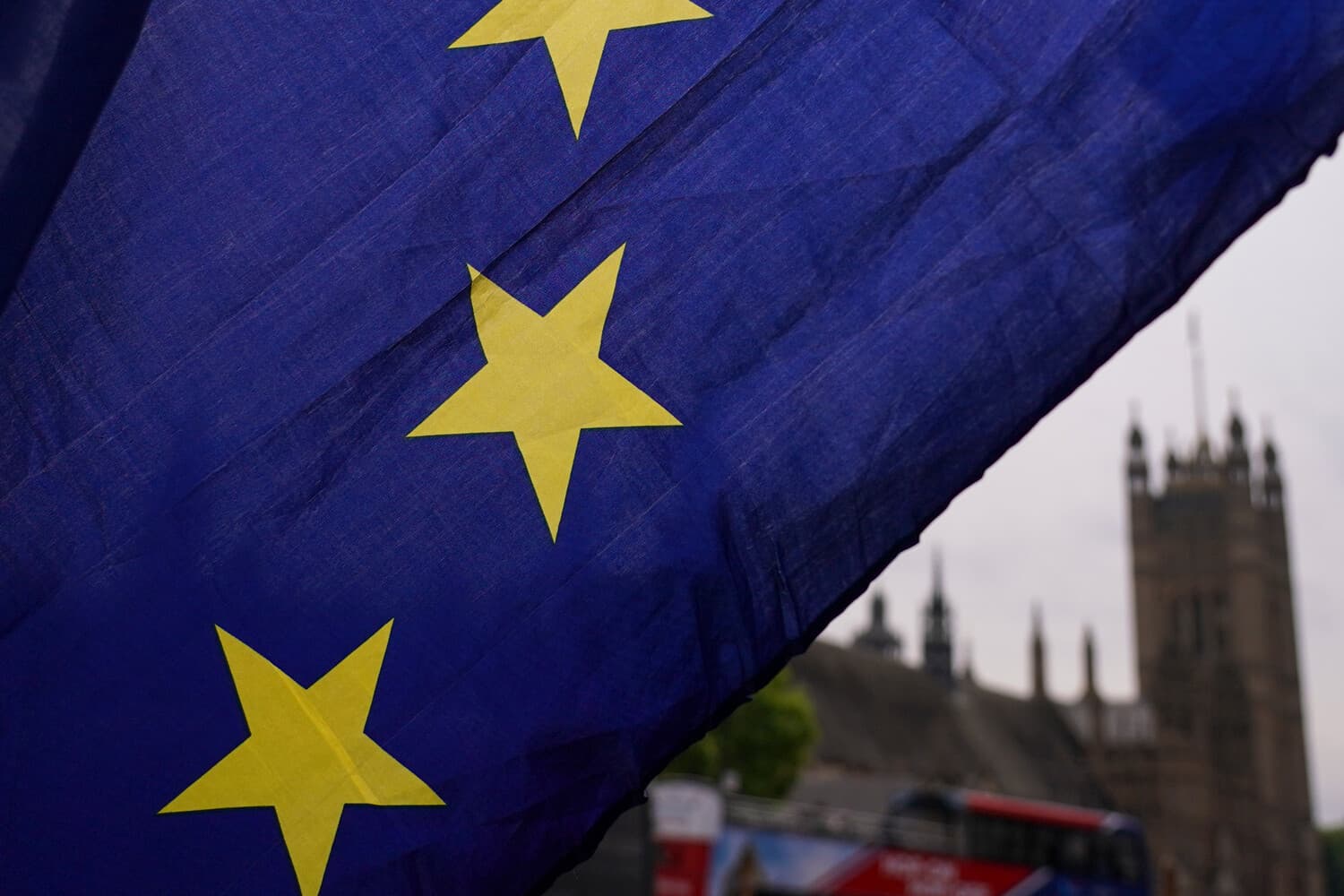
On 20 November, the second annual EU–UK summit since the country left the union will take place in Brussels. Formally, the meeting is not devoted to the question of a possible return to the EU, although Prime Minister Andy Burnham has called this his long-term goal. About the deal that is planned to be signed, BBC News reported in a piece by political editor Laura Kuenssberg: the agreement was originally supposed to be concluded back in May, then in July, but political upheaval delayed the signing. The basic approach is a 'closer alignment' with EU rules, which Sir Keir Starmer announced at the beginning of the year.
What has already been agreed and where disagreements remain
A source familiar with the negotiations assesses the agreement as '90%' ready. The package includes measures that make life easier for food producers, a deal on trading emissions quotas that could help industry, and new youth visa schemes. The main sticking point is the quota on participant numbers: according to an EU source, Brussels proposed 150,000, London 50,000, but a compromise is expected, although the negotiations were 'very tense'. The EU's demand to reduce tuition fees for its students is expected, according to both sides, to be postponed to future months of discussions. The prime minister cites estimates according to which closer ties with the EU without returning to the union could add 0.4% to GDP, while he admitted in an interview with BBC business editor Simon Jack that the UK will have to follow more EU rules.
Barnier: no 'à la carte'
Former chief EU Brexit negotiator Michel Barnier warns in a BBC interview that the UK will not be able to choose the terms of the relationship 'à la carte': if the country wants to return, it will have to forget about the famous rebate, and membership of the single market is impossible without freedom of movement. A government source describes the current negotiations with the EU as 'lots of warm words, but quite a lot of crossed arms', while an EU insider wonders whether the prime minister understands what he is doing. Ipsos polls do indeed show that a majority of Britons support applying to join the EU, and, according to the BBC, it is on this that Burnham's willingness to consider returning to the union rests.
Opposition and political risks
The Conservatives and Reform UK are already protesting against the deal that is planned to be signed this month. Conservative leader Kemi Badenoch criticised the prime minister for 'unpacking a deal that the country signed with the EU a decade after the referendum', adding that 'he has already revealed his entire negotiating hand'. Reform UK deputy leader Richard Tice accused Burnham of trying to 'drag us back into Brussels through the back door'. Even within the Labour Party, according to a former minister, this is 'a very risky path': no one wants to criticise the prime minister, but if tensions escalate, the party will not remain united. The position of business is also ambiguous: whereas previously most companies favoured remaining in the EU, after years of restructuring their work with the new rules, support for a return, as the BBC notes citing a major businessman, will become more fragmented — from the enthusiasm of exporters to the scepticism of financial companies that have already spent money on adaptation.
What next
The outcome of the 20 November summit will show how realistic the course towards closer ties is. Nothing has been signed yet: the sides have agreed most points, but the dispute over the youth visa quota and the question of student fees remain open, while discussion of a possible return to the EU is only a declared prospect, not part of the current deal.
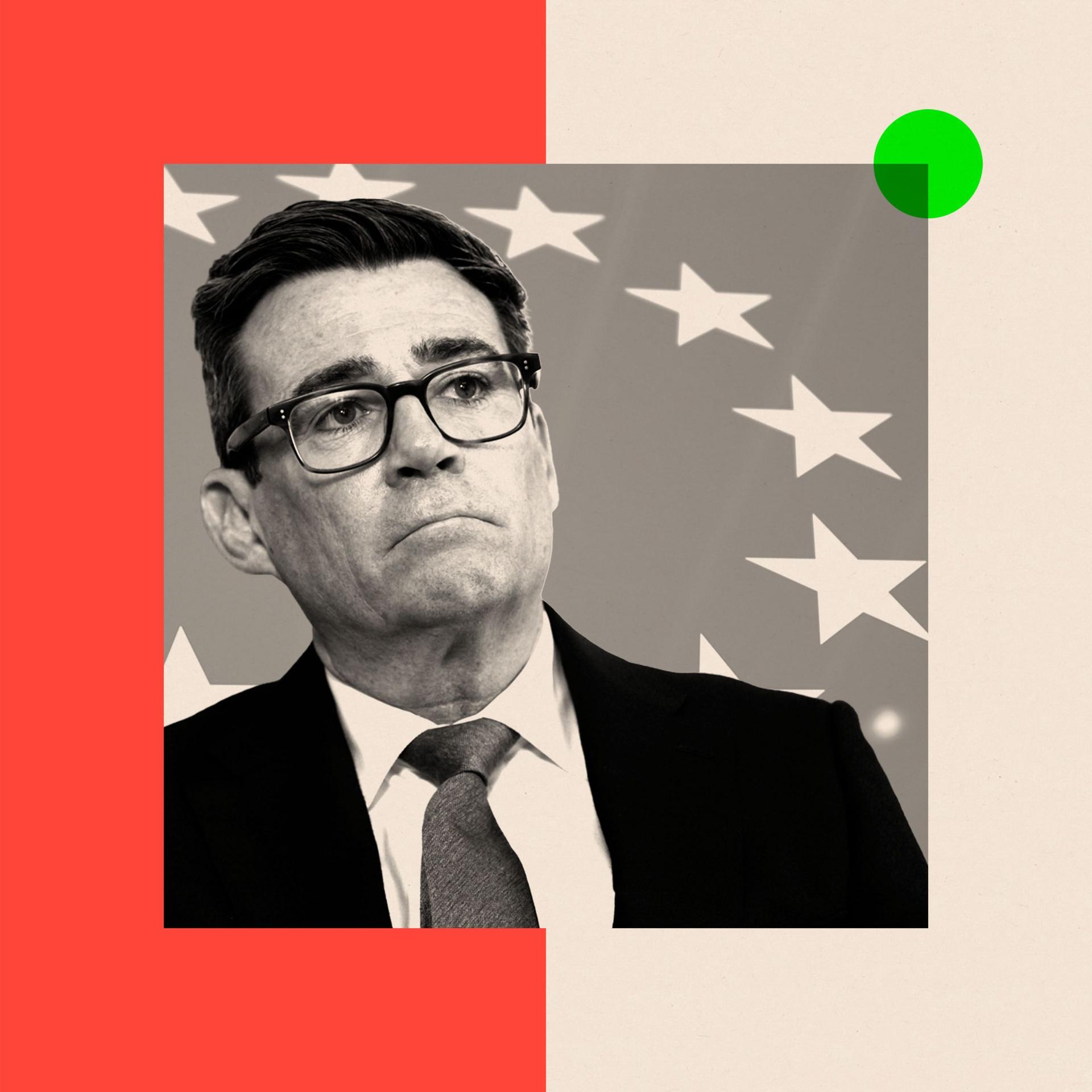

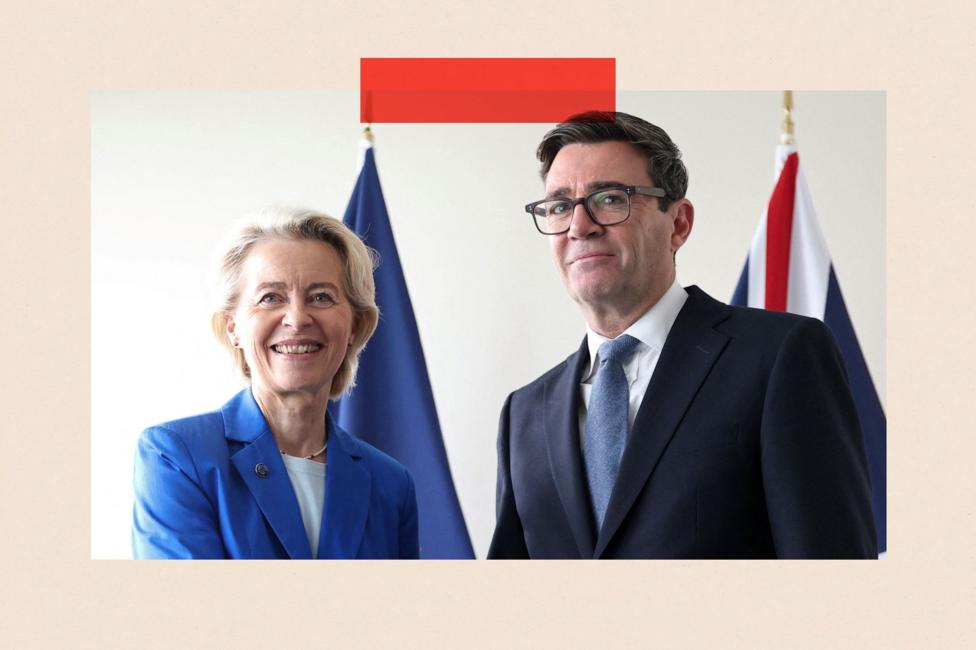 Image source, Press Association
Andy Burnham with Ursula von der Leyen, president of the European Commission
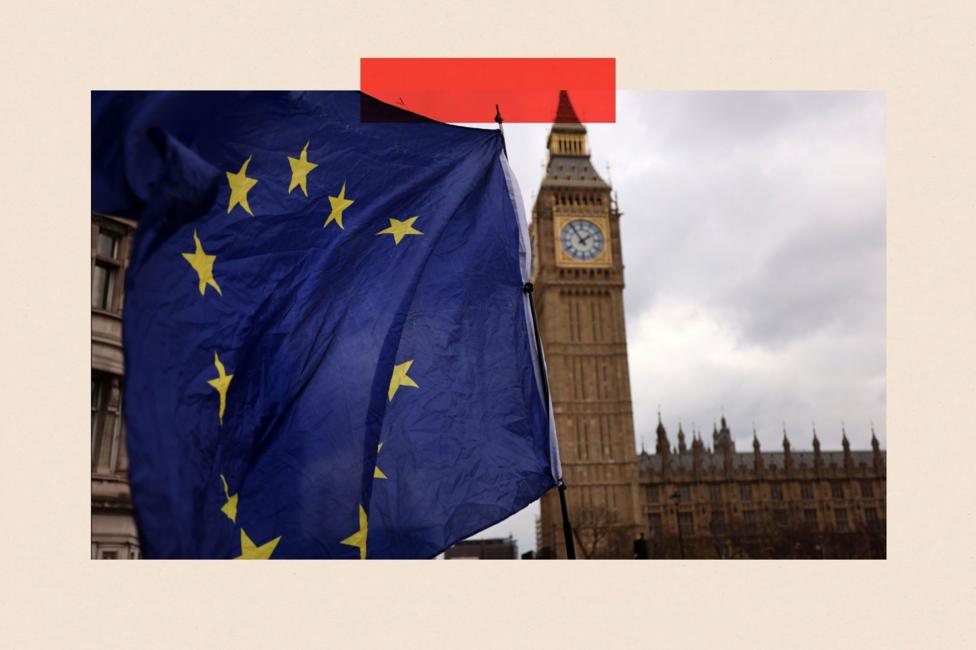 Image source, EPA/Shutterstock
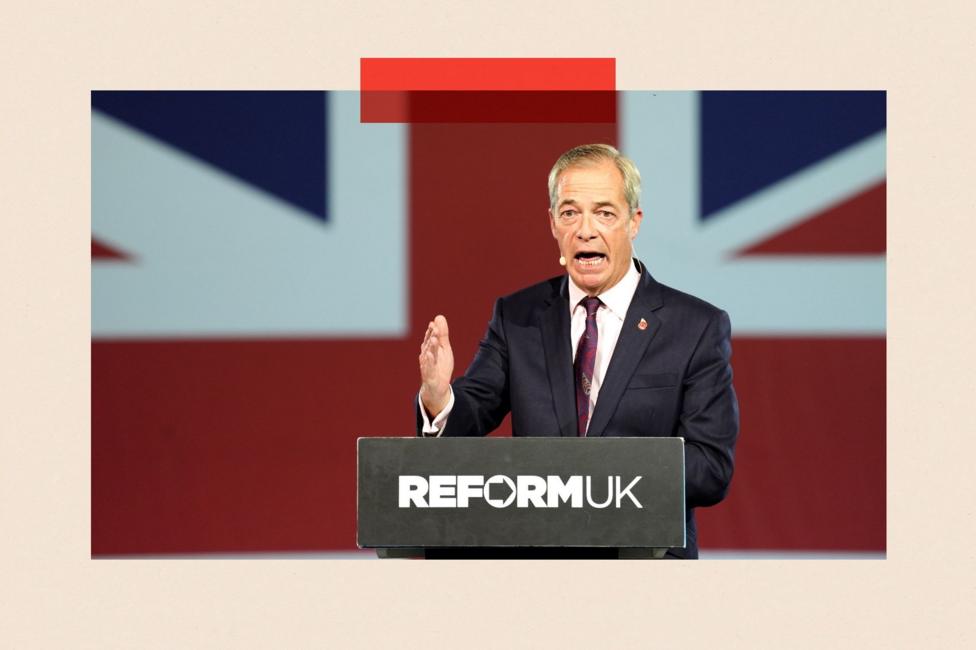 Image source, Press Association
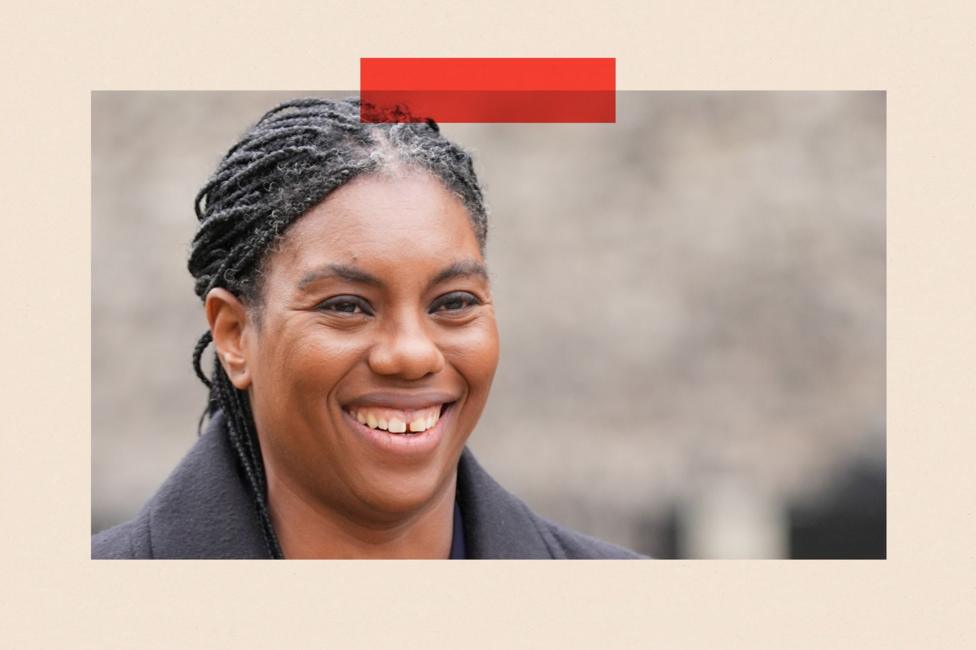 Image source, Press Association