The key facts
- A 15-year-old from Makhachkala posted a hoax bomb threat against a children's camp in Kemerovo Region
- The author was identified by Dagestan's cyber police together with the FSB; a case was opened under Part 2 of Article 207 of the Criminal Code of the Russian Federation
- The teenager's parents are also expected to be held accountable
Detention after a false report
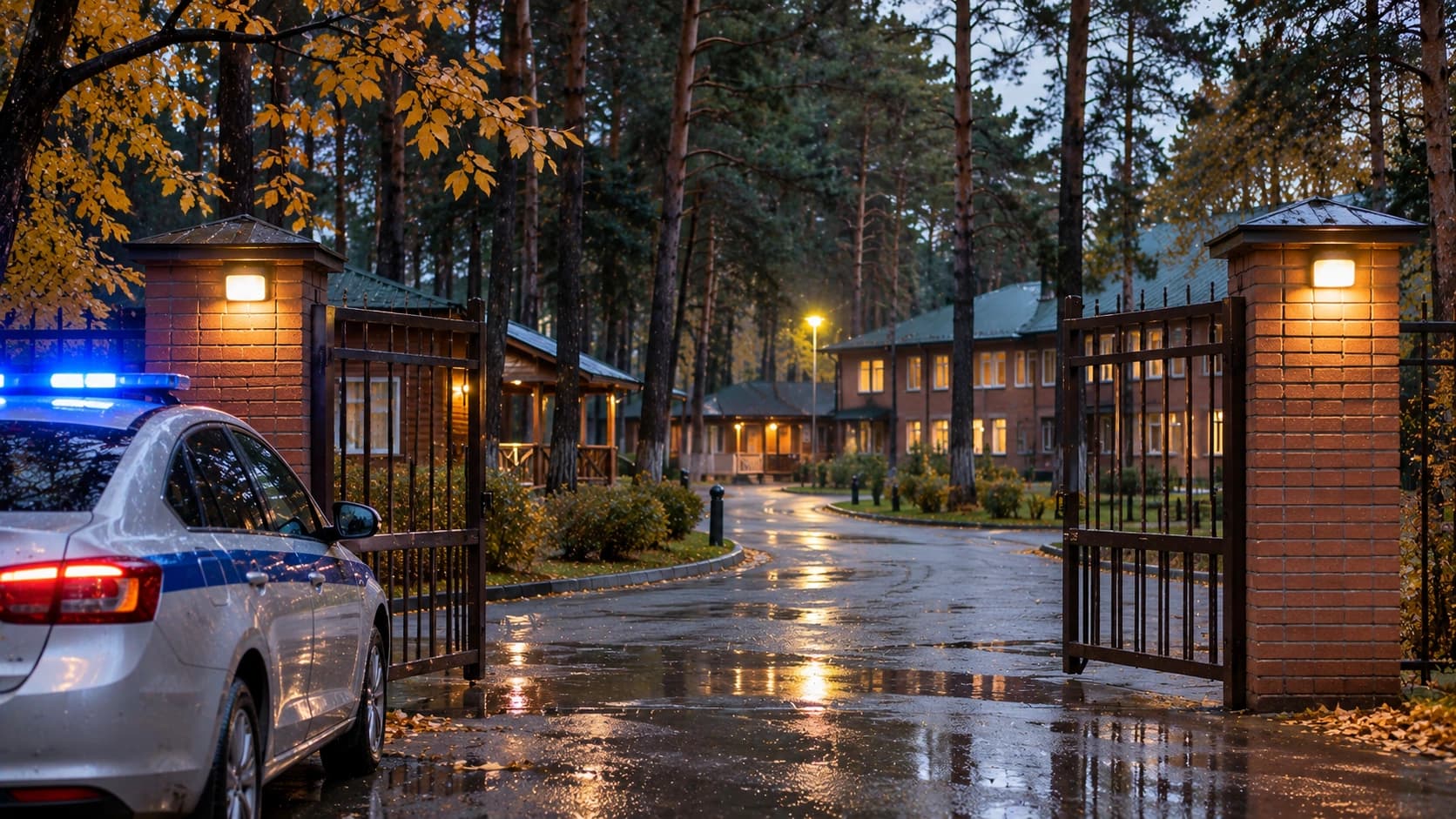
In Dagestan, a 15-year-old resident of Makhachkala was detained for posting a message on social media about 'dangerous objects' at a children's health and education center in Kemerovo Region. This was reported by the regional police department. According to Life.ru, the young man demanded that people be evacuated from the camp; after the post was published, police and emergency services arrived at the site, but an inspection of the grounds found nothing suspicious.
Motive and investigation
The story began in the summer: the schoolboy met a girl who was staying at a camp in Kuzbass, and later learned from her about one of the campers who constantly provoked conflicts and bullied other children. Being hundreds of kilometers away from the facility, the teenager decided to 'stand up for' his acquaintance and posted a warning on the center's page about allegedly dangerous objects inside. The author of the message was identified by officers of the cybercrime unit of the Dagestan Ministry of Internal Affairs together with the regional FSB directorate. During questioning, the young man admitted that he had only wanted to scare his acquaintance's tormentor. A criminal case was opened against him under Part 2 of Article 207 of the Criminal Code of the Russian Federation (knowingly false report of an act of terrorism); the minor's parents are also expected to be held accountable.
Similar cases involving teenagers
Life.ru also recalls another recent incident: in Nizhny Novgorod Region, a teenager sent a letter to a school threatening an explosion and demanding a transfer of 1.5 million rubles, trying to save his gaming accounts. According to the outlet (a report dated October 14), unknown individuals contacted the young man via a messenger and threatened to delete his profiles and email if he did not carry out their tasks; frightened by the blackmail, the schoolboy sent the message from an address that the perpetrators had registered in his name in advance. After an investigation, police opened a case under the same article and began identifying the organizers of the scheme. Both cases show that criminal liability applies to hoax bomb threats committed by minors for various motives — from personal animosity to blackmail — and that parents are also brought to account.