The key facts
- At least 25 hoax threats on Friday and more than 40 flights over the week across Europe
- Hungary dispatched fighter jets to escort flights to Bulgaria, Cyprus and Romania
- Czech police checked four aircraft in Prague — no explosives found
Mass threats and the authorities' response
On Friday, 6 November 2026, European aviation faced a wave of hoax bomb reports: according to The National, in a single day airlines received at least 25 hoax alerts, and the total number of flights affected by threats over the week exceeded 40. In the Czech Republic and Bulgaria, at least 11 flights were targeted. Two civilian aircraft — WizzAir W64328 from Brussels and Ryanair FR1730 from London Stansted — received threats by email while en route to Sofia; both landed safely.
Fighter escort and security checks
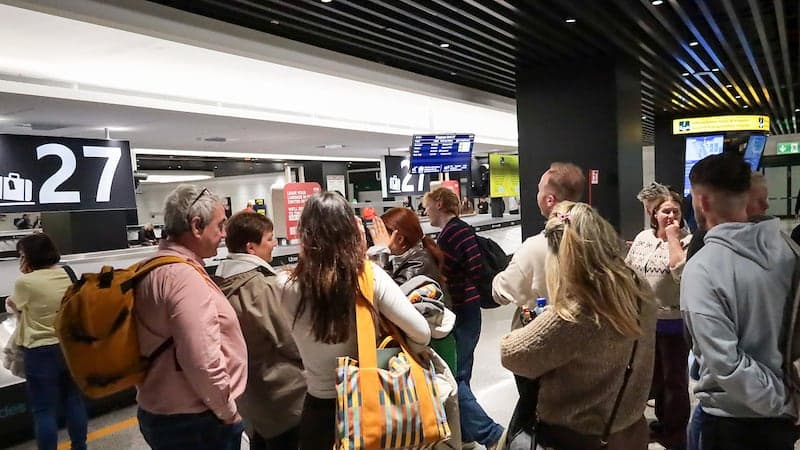
Hungary ordered fighter jets to escort flights heading to Bulgaria as well as to Cyprus and Romania. In France, according to the government, four separate threats concerned aircraft in its airspace; all of them landed safely, while bomb disposal teams carried out inspections. French authorities said they were working to identify the source of the alerts, 'which affect the whole of Europe'. Danish police reported that special teams were working at Copenhagen airport after hostile intelligence information about air traffic was received: operations at the airport were changed — baggage was sent for rescreening, and a special security perimeter was established. At the same time, according to the authorities, there was no immediate assessment that passengers were in danger.
Checks with no findings and the Aer Lingus incident
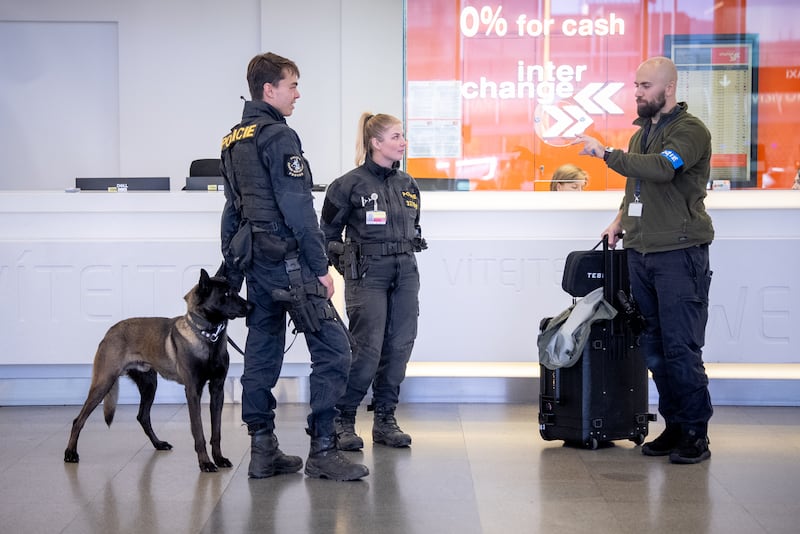
Czech police officially cleared four aircraft that had landed at Václav Havel Airport in Prague the day before and had been the targets of threats: the inspection found no explosives or dangerous objects on board any of them. A separate episode involved Aer Lingus: French police, The National reports, opened an investigation after the pilot resisted calls to change course. The Airbus A320, flying from Dublin to Rome, was diverted to the Évreux air base in northern France on 5 November following a bomb report — according to the office of the French Prime Minister.
Threats not only to aviation
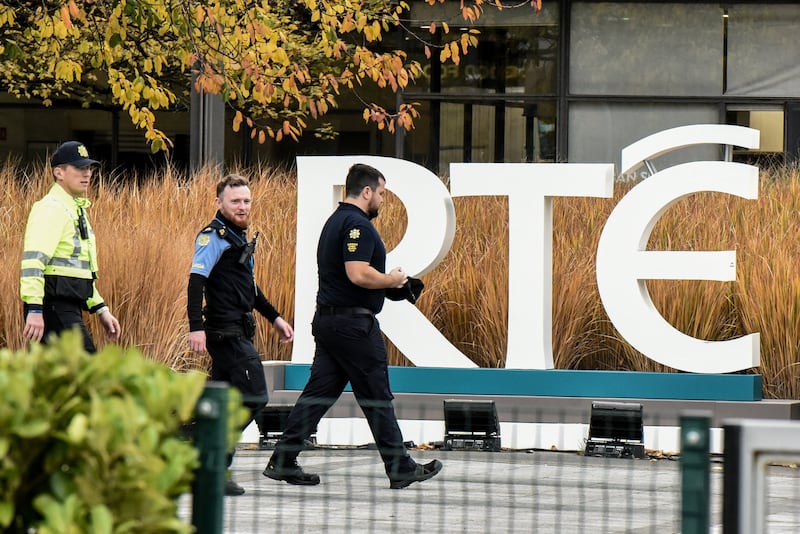
In Ireland that same day, media companies were evacuated, including the national broadcaster RTE and, according to reports from the Irish Independent group, its offices in Dublin. According to an RTE reporter, the email threat arrived shortly before 9 a.m. local time with a statement that a bomb would explode within 45 minutes; a Newstalk presenter reported that the calls were deemed hoaxes and staff were allowed to return to the building in central Dublin. The presenter of RTE Radio One's morning show noted that, as he understood it, the letter allegedly came from the same people behind the hoax threats that disrupted dozens of flights across Europe this week. Irish Prime Minister Micheál Martin, after a break in broadcasting of more than an hour, said in a phone interview with RTE: 'This is alarming, and we take the threat seriously'.