The key facts
- The Woof speech model is 31.7 MB, has 31 million parameters, and runs in the browser without an internet connection
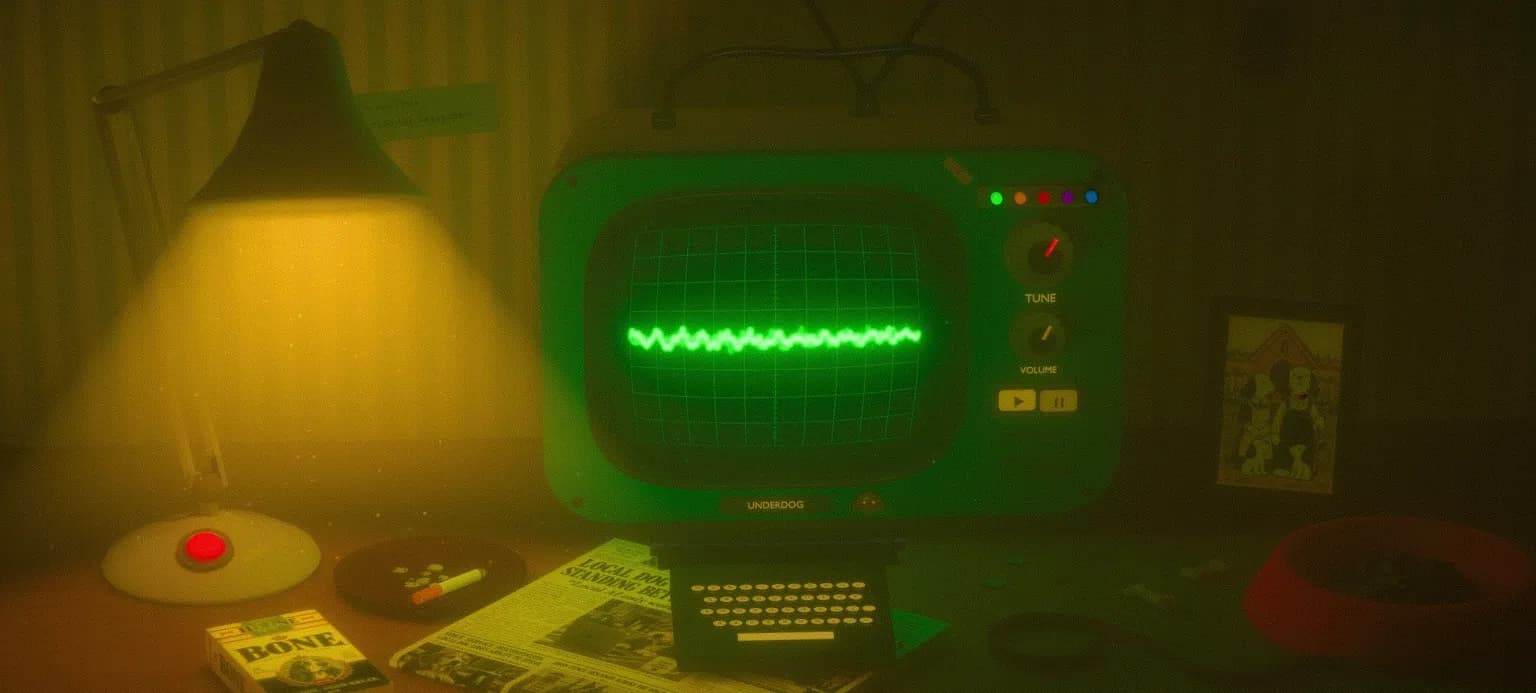
- The demo is styled as a retro-themed game: a typewriter speaks typed text aloud, and a tuner generates music
- Earlier, Underdog released the 167 MB speech recognition model Bark and a 27-billion-parameter model for laptops
A model that fits in a browser
While major AI companies keep increasing model sizes and the computing power needed to run them, some startups are moving in the opposite direction — building compact models for edge devices like phones or computers. Among them is Underdog, which has released a game built on its new speech model Woof, weighing just 32 MB. TechCrunch reports on this.
How the demo works
The game is a room filled with retro tech: a typewriter, a CRT monitor, and a desk lamp that makes a sound when switched. The intro warns about 'intrusive' cloud providers in town — which TechCrunch sees as a jab at cloud-based models. The user can type any text on the typewriter using a keyboard, and the game will speak it aloud, while turning the tuner dial generates different music. All of this runs in the browser via a speech synthesis model that, according to the company, works on most devices without an internet connection. The model has 31 million parameters and is open for anyone to download. Underdog founder Sigil Wen announced the demo on X on November 5, 2026, inviting players to 'beat Darkcloud for an invitation.'
Part of a line of compact models
The demo came out a few weeks after the launch of Bark, a 167 MB speech recognition model, also designed to run on edge devices for transcription and dictation. Besides the two voice models, Underdog has released a 27-billion-parameter model that runs on laptops, and a waitlist app positioned by the company as a locally hosted alternative to Muse and Instinct. Wen told TechCrunch that he started building the app because, rather than note-takers like Granola, he wanted to create his own system based on AI models that run on users' devices and let them own their data. 'I think we'll be able to run most of the most capable modern models on devices you already own within months. We just want to train the best open models made in America — open, capable, and letting people have private AI,' he said, referring to his manifesto.
What this means in practice
The demo itself is a game showcase rather than a finished product, and TechCrunch notes that such a tiny model is unlikely to replace larger ones. However, the outlet suggests it may be enough for local assistant features or generating personalized podcasts. The practical significance of the showcase is that Woof is already available for download rather than remaining an announcement: the browser-based game serves as proof that speech synthesis of this size can genuinely run on a user's device without the cloud.