The key facts
- COP31 will be held in Antalya on November 9–20, chaired by Minister Murat Kurum
- Coal accounted for 33% of Turkey's electricity generation last year, solar and wind for nearly 23%
- Activists note the absence of a roadmap for phasing out coal and gas despite the net-zero target for 2053
Host of the summit between sun and coal
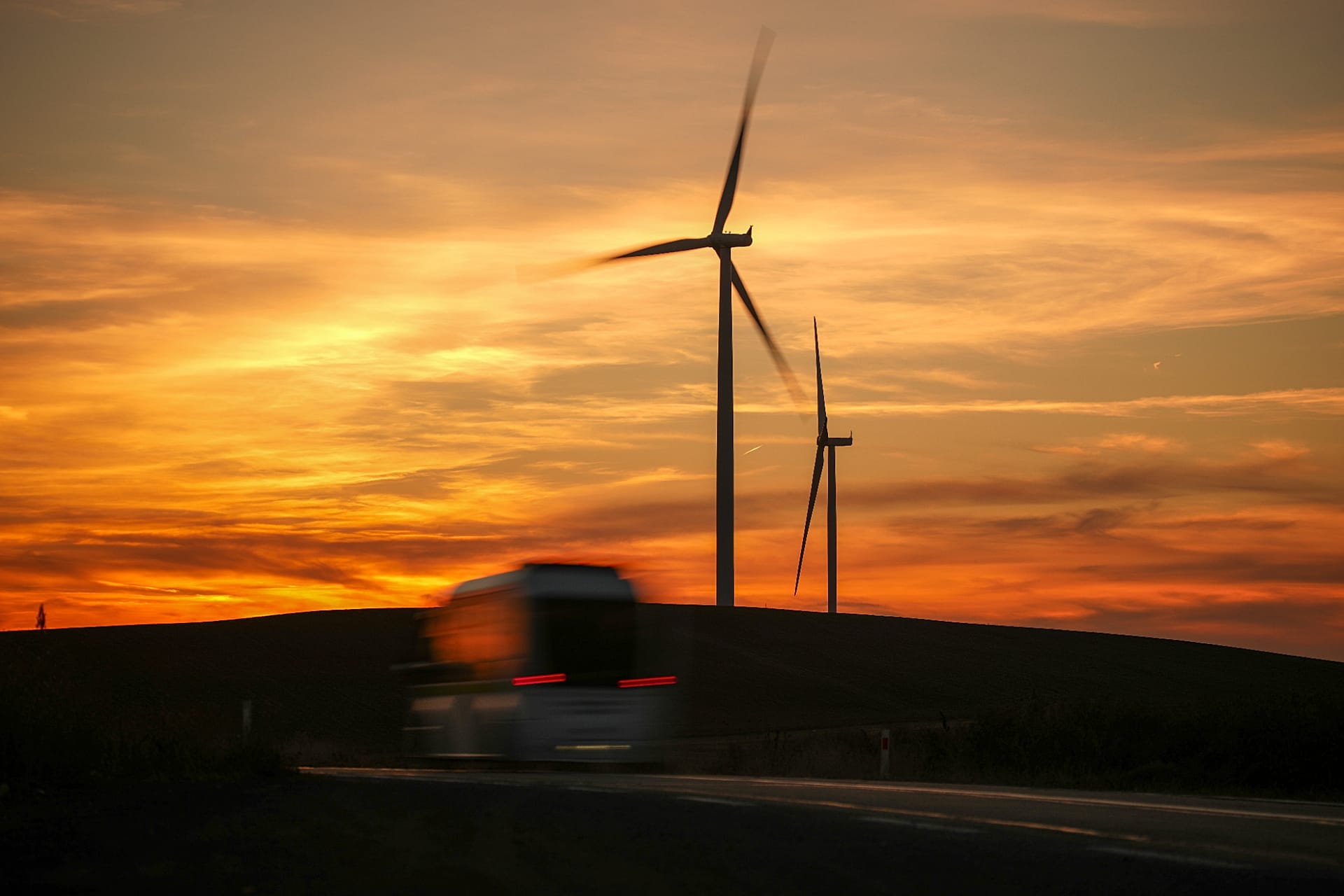
Days before the opening of the UN climate summit COP31, which will be held in Antalya on November 9–20, attention is focused on the energy balance of the host country. According to Turkey's Ministry of Energy, coal remained the country's largest source of electricity last year with a share of 33%, while solar and wind generation accounted for nearly 23%. This is reported by Euronews citing AP.
The largest solar plant as a showcase
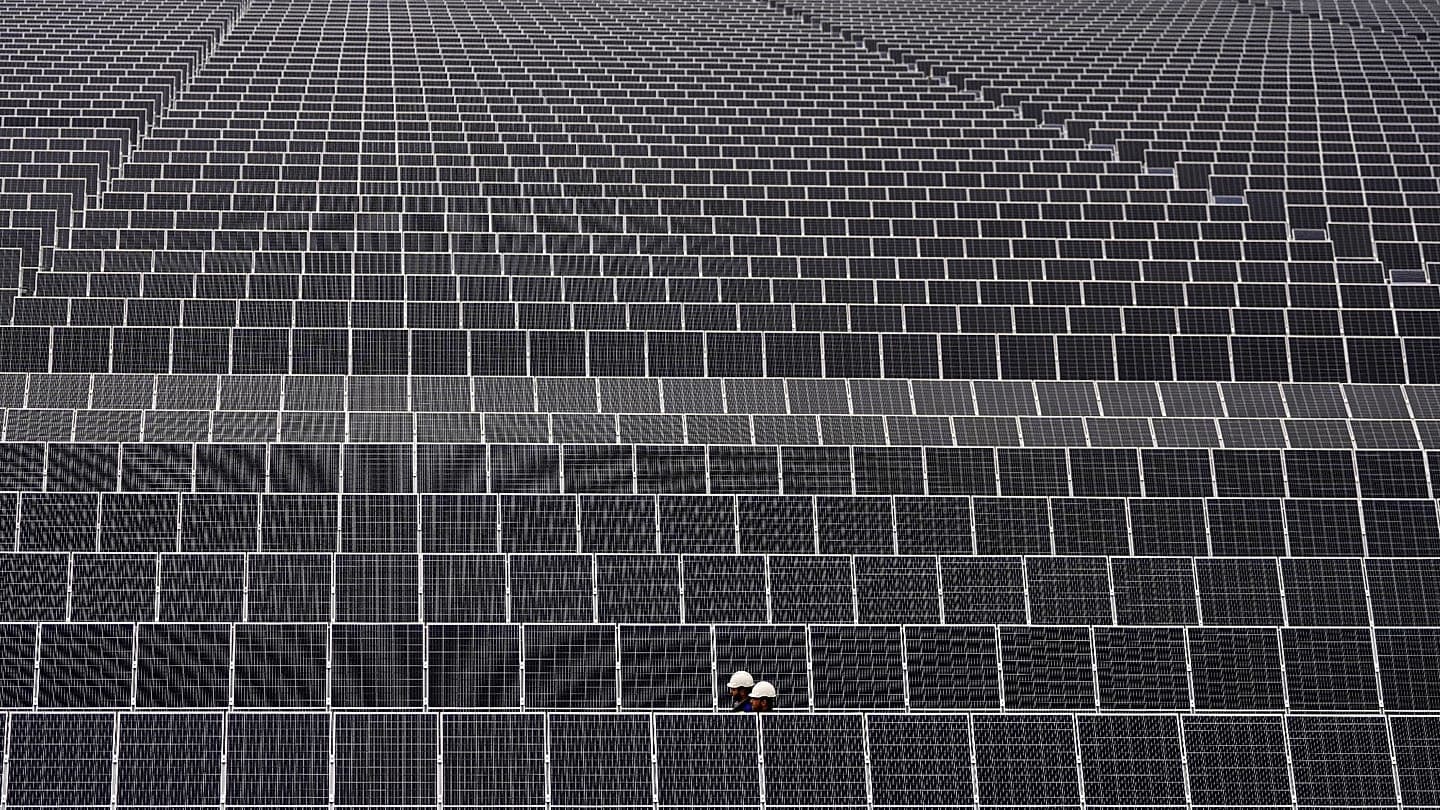
The calling card of Turkey's 'green' agenda is the solar power plant Kalyon Karapınar YEKA-1 in Karapınar, Konya province: more than three million panels on an area comparable to 2,600 football fields. Operating since 2023, the plant covers about 0.7% of the country's electricity demand, and its director Burak Doğru told AP that it prevents approximately 1.75 million tons of carbon emissions per year. Meanwhile, Turkey's total greenhouse gas emissions in 2024 reached 584.5 million tons of CO2 equivalent, according to the Turkish Statistical Institute.
Criticism and the absence of a fossil fuel plan
Campaigner of the Beyond Fossil Fuels initiative Duygu Kutluay acknowledged that Turkey has plans for large-scale renewable energy development, but pointed out that they contain 'neither a roadmap for phasing out coal nor any planning for the phased phase-out of other fossil fuels, including gas' — which, in her words, is 'not compatible' with the country's commitment to achieve net-zero emissions by 2053. The Climate Action Tracker initiative rates Turkey's climate goals and policies as 'critically insufficient' relative to the Paris Agreement. Another signal of the inconsistency of the course: a court earlier this year overturned the environmental impact assessment for the expansion of the Afşin-Elbistan coal plant, but plans for the expansion of another coal plant in Çanakkale soon emerged.
Summit priorities and its context
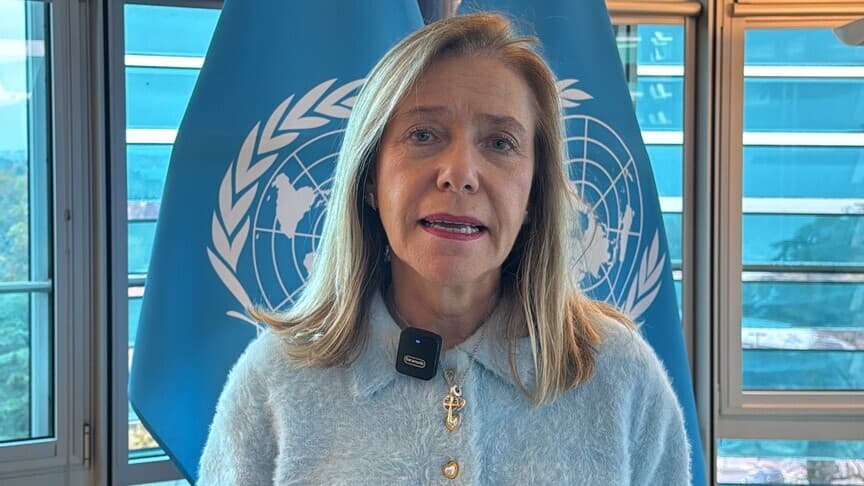
Presiding over COP31 Minister of Environment and Climate Change Murat Kurum said the summit should focus on turning climate commitments into action rather than setting new goals: Turkey is promoting a 'climate policy implementation bridge' initiative linking countries with financing and technology. Priorities also include electrification, waste reduction and methane emissions. The summit takes place against the backdrop of rising gas and oil prices due to the war with Iran and concerns about energy security; the United States, after Donald Trump's withdrawal from climate negotiations, will again be absent, and the two previous summits ended without any mention of fossil fuels in the final texts. The choice of Turkey, which depends on coal, and Australia, which exports coal and is leading consultations on the agenda, drew criticism from activists, but UN Climate Convention Executive Secretary Simon Stiell said in February that the host country's position on fossil fuels does not in itself determine the summit's success.