The key facts
- Mobile pharmacies will start operating in the Kursk and Nizhny Novgorod regions — the first participants in an experiment that will last until September 1, 2029.
- The range of mobile points is limited: narcotic, psychotropic, immunobiological preparations and a number of other categories are banned.
- Additionally, more than 100 over-the-counter medicines may be sold in rural post offices where there are no pharmacies.
First participants of the experiment
The government of Russia has approved the Kursk and Nizhny Novgorod regions as the first participants in an experiment on selling medicines via mobile pharmacy points. This was announced by the press service of the Ministry of Health, reports Life.ru. Pharmacies on wheels will serve small and remote villages that have no stationary pharmacy organizations. The experiment will run until September 1, 2029: during this time, the authorities intend to assess how convenient the format is and decide on its further expansion.
What can and cannot be sold
The range of mobile pharmacies will be noticeably narrower than that of regular ones. They will be prohibited from selling narcotic, psychotropic, radiopharmaceutical and immunobiological preparations, as well as products containing potent substances. The ban will cover medicines requiring storage at temperatures below 15 degrees, preparations with an ethyl alcohol content of more than 25%, and medicines made by the pharmacies themselves.
Requirements for point operators
Not just any organization will be able to open a mobile point: a permit from Roszdravnadzor and a pharmaceutical activity license obtained at least three years ago will be required. A mobile pharmacy must have a specialist with a relevant education and a valid professional practice permit on staff. The point must be equipped with an electronic payment system and ensure the transmission of data on sold medicines to the state drug movement monitoring system; compliance with the requirements will be overseen by Roszdravnadzor.
Fewer regions than planned
It was previously reported that 11 Russian regions were planned to be included in the experiment, but the new government decision has so far approved only two first participants. The Ministry of Health explained that other regions will be able to join the project if their leaders send relevant requests to the ministry. Thus, the scale of the project at the current stage turned out to be more modest than the original plans, but an expansion mechanism is already provided.
Medicines via post
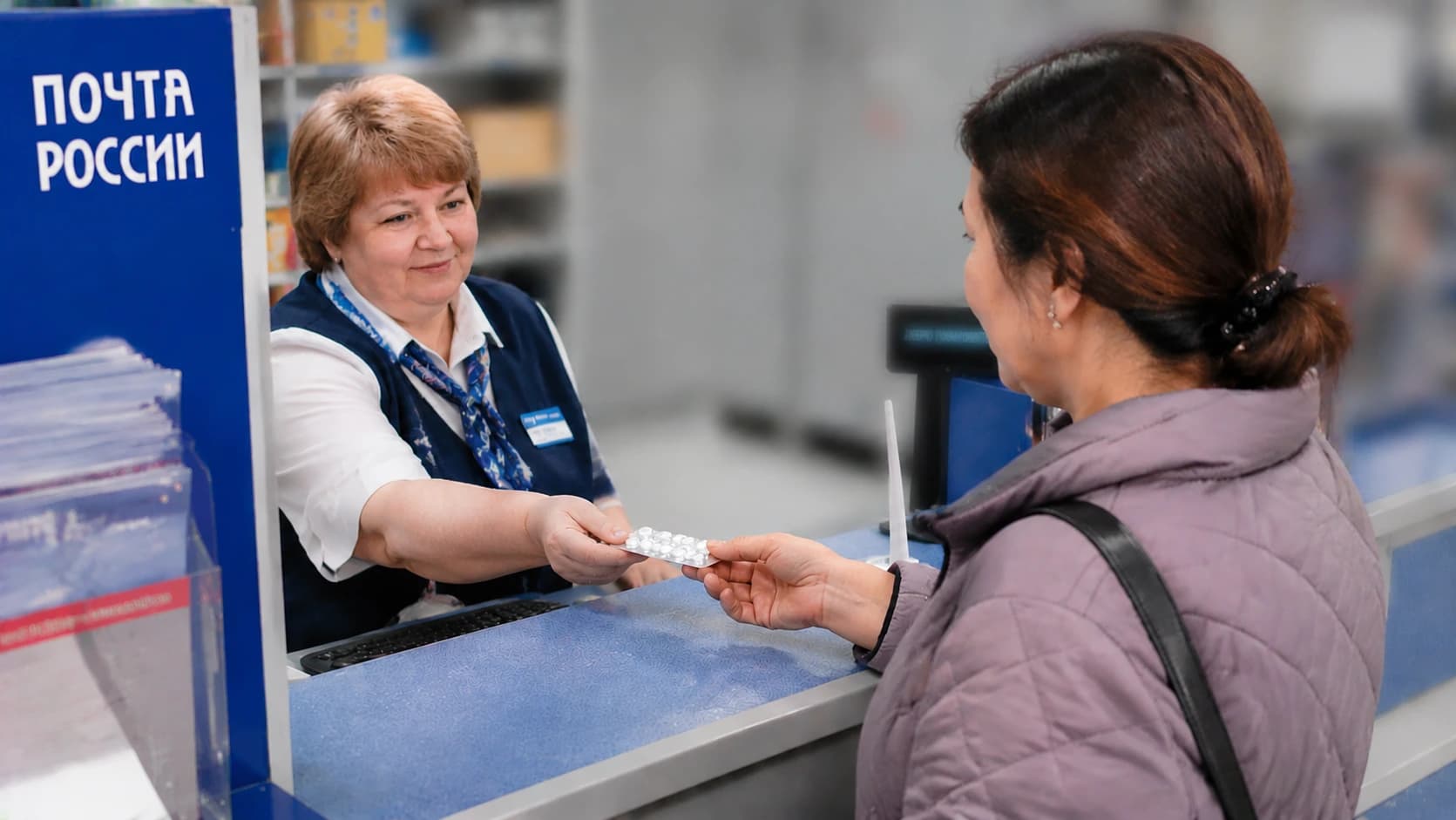
A separate decision concerns rural post offices: the government has allowed the sale of more than 100 in-demand over-the-counter medicines there, provided the locality has no pharmacies or medical organizations. Postal employees will be able to sell them after special training, but they are not allowed to advise customers on the use of medicines.
Context: delivering medical cargo by drones
The topic of medicine accessibility in hard-to-reach areas is also developing in another direction: on November 30, a GOST standard will come into force in Russia establishing requirements for transporting medicines, vaccines and biological materials using drones. As Life.ru previously reported, the document regulates cargo preparation, transportation conditions and handover to the recipient, and special equipment is provided for temperature-sensitive medicines.