The key facts
- The fire in Bédar (Almería province) on 9 July 2026 killed 15 people, 14 of them foreign nationals, including nine Britons
- On 9 July 2026, a fire in Bédar (Almería province) killed 15 people, 14 of them foreigners, including nine Britons
- The People's Party and Vox in the Andalusian parliament rejected the Socialist Party's request to establish a commission of inquiry
- Authorities attributed the failure to send emergency alerts to phones to technical and tactical reasons; the families reject this
- Authorities explained the failure to send emergency alerts to phones by technical and tactical reasons; the families reject this
The deadliest fire of the summer of 2026
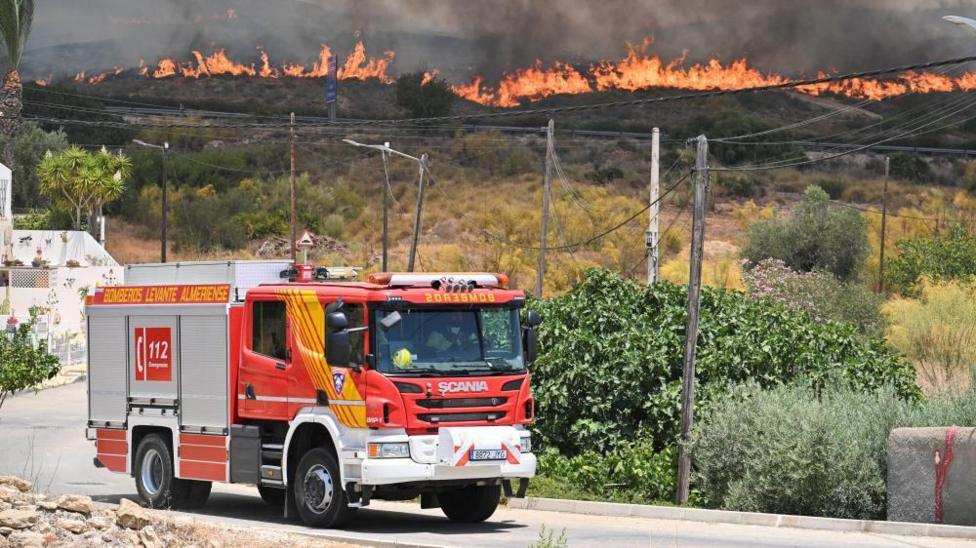
On 9 July 2026 a wildfire that broke out near the neighbouring town of Los Gallardosswept through the village of Bédar in the province of Almería in south-eastern Spain. Fifteen people died — the highest death toll of any wildfire in Spain during the summer of 2026 and one of the deadliest in the country's history. Of the dead, 14 were foreign nationals: nine British citizens, three Belgians, one French national and one American, while one victim was Spanish. Many died trying to flee the village by car. The BBC reported the initial toll on 10 July, when the figures stood at 12 dead and 23 missing; the final death toll later rose to 15.
A blocked inquiry
Relatives of the victims told the BBC they are outraged by the Andalusian parliament's decision: the ruling People's Party (PP) and the far-right Vox rejected a request by the opposition Socialists, to whom Prime Minister Pedro Sánchez belongs, to establish a commission of inquiry into the disaster. Both parties said the ongoing criminal investigation would provide the answers. According to Danni Gillam-Kirton, who lost her parents, the criminal case is focused on the cause of the fire and will not necessarily examine the actions of the emergency services unless the families pay for lawyers to present that evidence to the judge. In September, Antonio Sanz, head of Andalusia's emergency agency, refused in a letter to provide Socialist deputies with official reports on the fire, including documents explaining why no alert was sent to mobile phones: the matter is under secreto de sumario — a court order keeping case materials confidential. The BBC has seen the letter.
The dispute over the alert
The families' central complaint is the absence of an emergency alert to mobile phones as the fire approached the village. Sanz explained that the system could not be configured to target specific settlements, and officials added that some residents needed to evacuate while others needed to stay at home, and that an alert could have caused panic and traffic jams. The relatives reject this. Duncan Chard, who lost his father Michael and his partner Christine, demands: 'Send the bloody alert! Ring the bells, send a policeman with a loudhailer, go door to door.' Belgian virologist Thomas-Wolf Verdonckt, whose 63-year-old father Stanislas died, says the only contact the authorities had with the victims was a police car with its siren on a couple of minutes before the flames engulfed people. Bédar's emergency plan was last approved in 2019 and, according to regional officials, was in the process of being updated; the municipality is officially classified as a wildfire risk zone. After the fire, Sanz was criticised for saying that some of the victims, who had left their homes 'at the last minute', had chosen the wrong route.
Complaints about the police and fundraising
Gillam-Kirton says the police assured the family that her father Pete's car had been 'thoroughly searched' by forensic officers and that no personal belongings remained. However, in August she and her husband found fragments resembling human bone in the burnt-out car, along with her parents' phones, jewellery, keys and money. The fragments were sent for examination to Madrid; the police said no DNA could be extracted and that the bones belonged to an animal, but according to Gillam-Kirton, experts, including a forensic anthropologist who worked on the Grenfell Tower fire investigation, believe the fragments are human. In response to her complaint, the Civil Guard said only that the matter had been passed to the courts. In July, the Civil Guard named a fallen power line as the cause of the fire, but this version has been called into question. Families from the UK, Belgium and Spain have set up support groups and a website, helpbedar.com, and are raising €100,000 for legal action; around €11,000 had been raised at the time of publication.
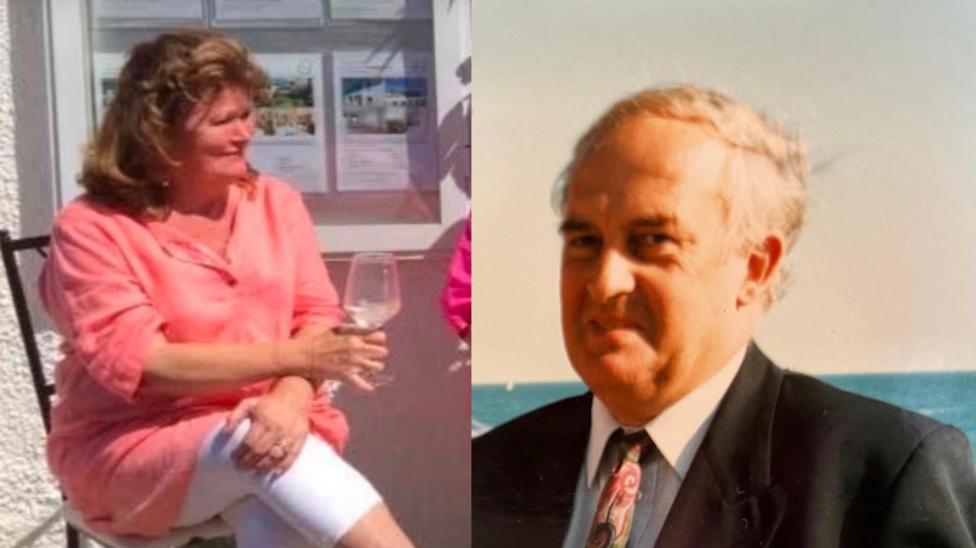 Image source, Courtesy of the Chard family
Christine and Michael Chard are among the 15 people killed in July's deadly wildfire in the village of Bédar
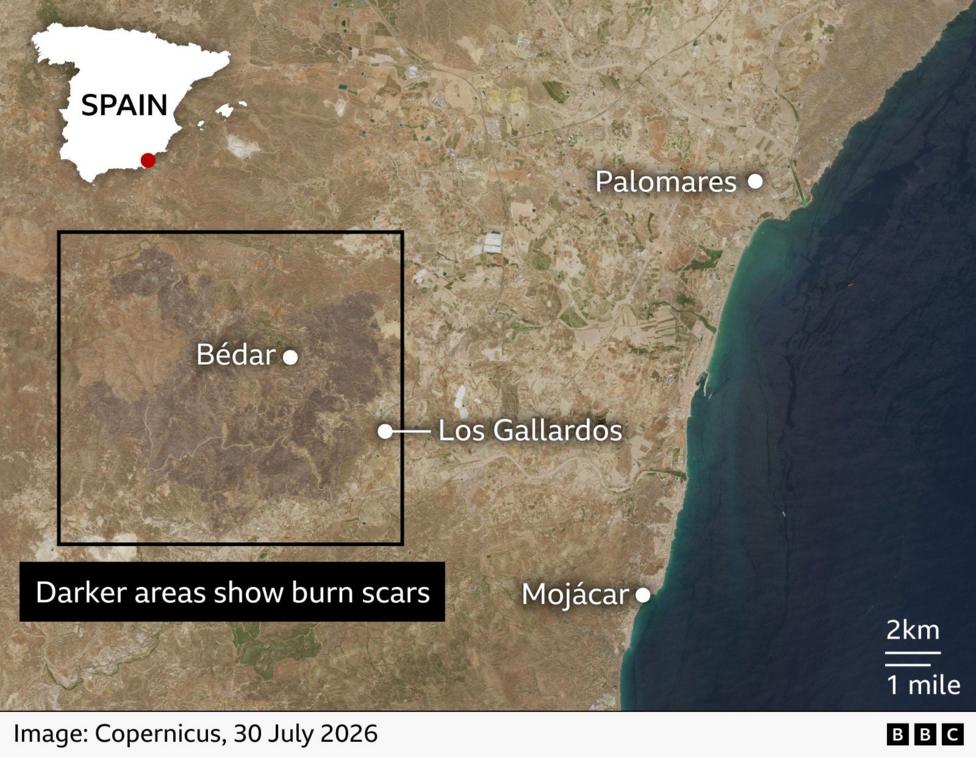
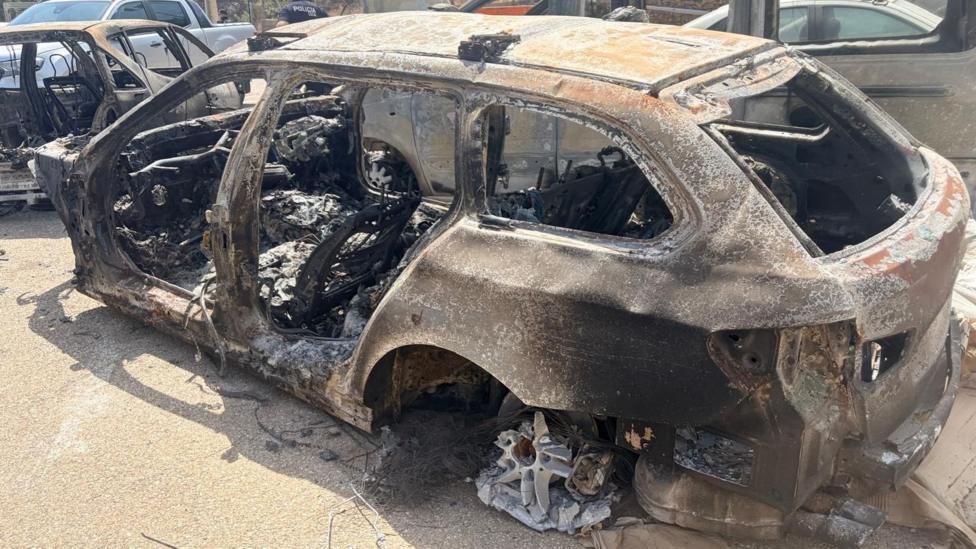 Image source, Danni Gillam-Kirton
Danni Gillam-Kirton says she found human bones and her parents' possessions in the burnt-out shell of their car
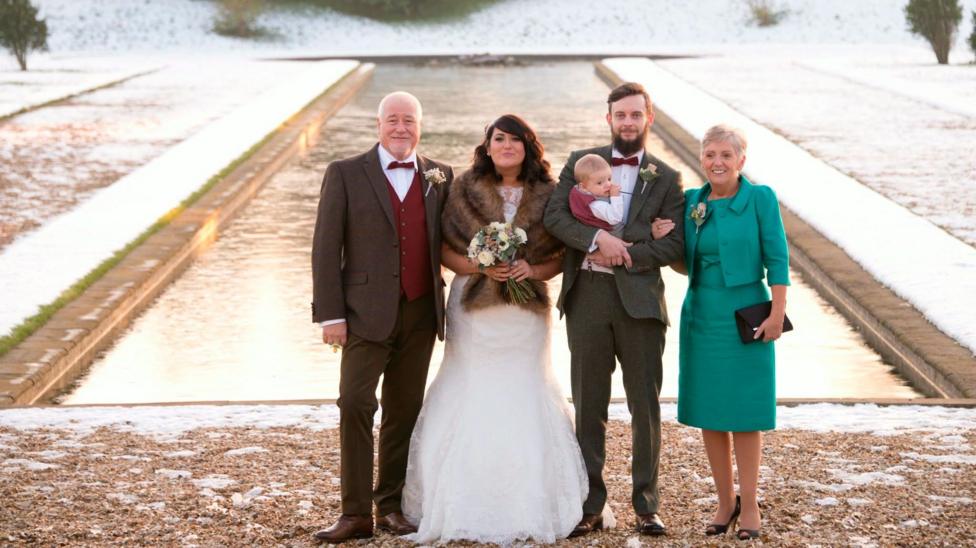 Image source, Gillam family handout
Pete (far left) and Fran (far right) both died in the wildfire in July. Karen (second left) wants to know more about what happened to them