The key facts
- Grynspan received 12 votes in favour compared with 11 in the previous round, while the number of 'against' votes fell from four to three
- Feridun Sinirlioglu, nominated late by Turkey, debuted with a weak result of 3-8-4
- Moscow is open to candidates from outside Latin America if the regional contenders fail to gain support
Eighth round: Grynspan extends her lead
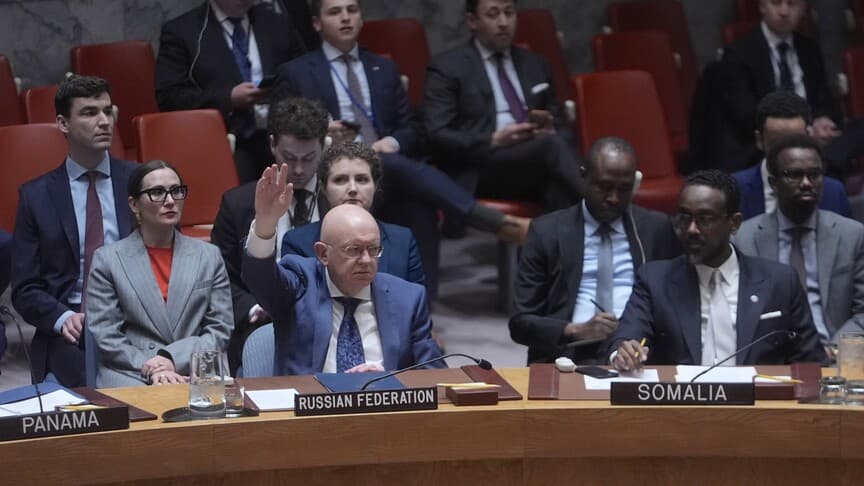
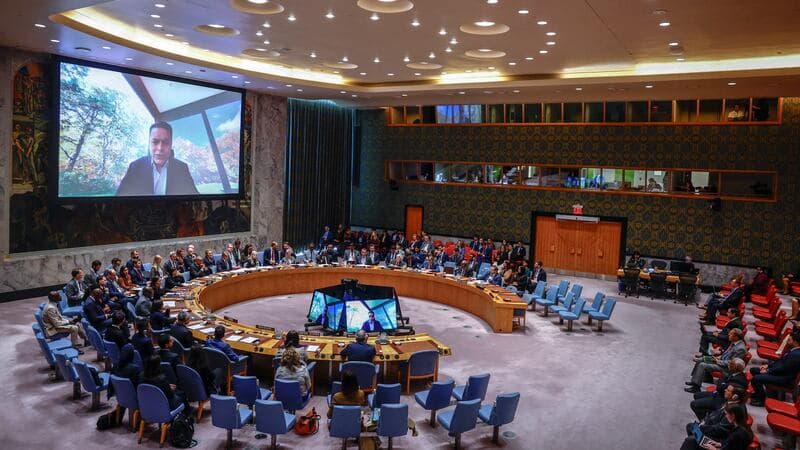
Former Vice President of Costa Rica Rebeca Grynspan has strengthened her position as the frontrunner in the race for UN Secretary-General following the Security Council's closed informal straw poll on Thursday. As The National reported, citing diplomats, she received 12 'encourage' votes, three 'discourage' votes and no 'no opinion' votes. In the previous round she had 11 votes in favour. Life.ru, citing RIA Novosti sources, clarifies the dynamics: the number of supporters grew by one, while opponents fell from four to three. Latvia's Permanent Representative to the UN, Sanita Pavluta-Deslandes, who chairs the Security Council this month, confirmed that the vote took place but refused to disclose the results.
Where the other candidates stand
Second place was retained by IAEA Director General Rafael Grossi with nine votes in favour, four against and two abstentions. Third place went to Guyana's Permanent Representative Carolyn Rodrigues-Birkett (8-5-2). Lana Nusseibeh of the UAE held on to fourth place with a result of 7-6-2. The weakest performance came from Feridun Sinirlioglu, OSCE Secretary-General, nominated by Turkey on 1 November: in his first round he received three votes in favour, eight against and four abstentions. According to The National, he will address the General Assembly on Friday and hold informal meetings with Security Council members on 9 November.
Russia's position and the veto uncertainty
Kirill Logvinov, director of the Russian Foreign Ministry's department of international organizations, told TASS that Moscow still believes it is the turn of candidates from Latin America and the Caribbean, in line with the informal principle of geographic rotation: 'At the early stages of the race, we promised our Latin American partners that we would respect this tradition.' At the same time, he said, if no regional candidate gains sufficient support, Russia will consider a broader range of contenders who meet its criteria and are capable of securing maximum support in the Security Council. He also noted that tensions are rising and consultations among the five permanent members are becoming increasingly frequent.
What the vote decides and what remains unclear
The informal ('straw') polls are advisory in nature: Security Council members assess each contender as 'encourage', 'discourage' or abstain, while the final decision under the Charter is made by the General Assembly on the recommendation of the Security Council. The second and final term of the current Secretary-General, António Guterres, expires on 31 December 2026, so the successor must take office from the beginning of 2027 — against the backdrop of the organization's financial difficulties, conflicts and doubts about its ability to respond to global crises. A key uncertainty remains: Grynspan has three negative votes, and it is unknown whether all five permanent members will support her — any of whom can block a candidate. On Thursday, indistinguishable ballots were used that did not show how the permanent members voted; according to The National, in the next round diplomats may return to colour-coded ballots that would reveal whether resistance to the frontrunners comes from permanent or elected members of the council.