The key facts
- Sikorski: Eastern Europe and Scandinavia — about 120 million people bordering Russia — must not be left out of the talks
- Tusk warned of an escalation of hybrid threats from Russia, especially targeting the Baltics and Poland
- Tusk warned of escalating hybrid threats from Russia, especially for the Baltic states and Poland
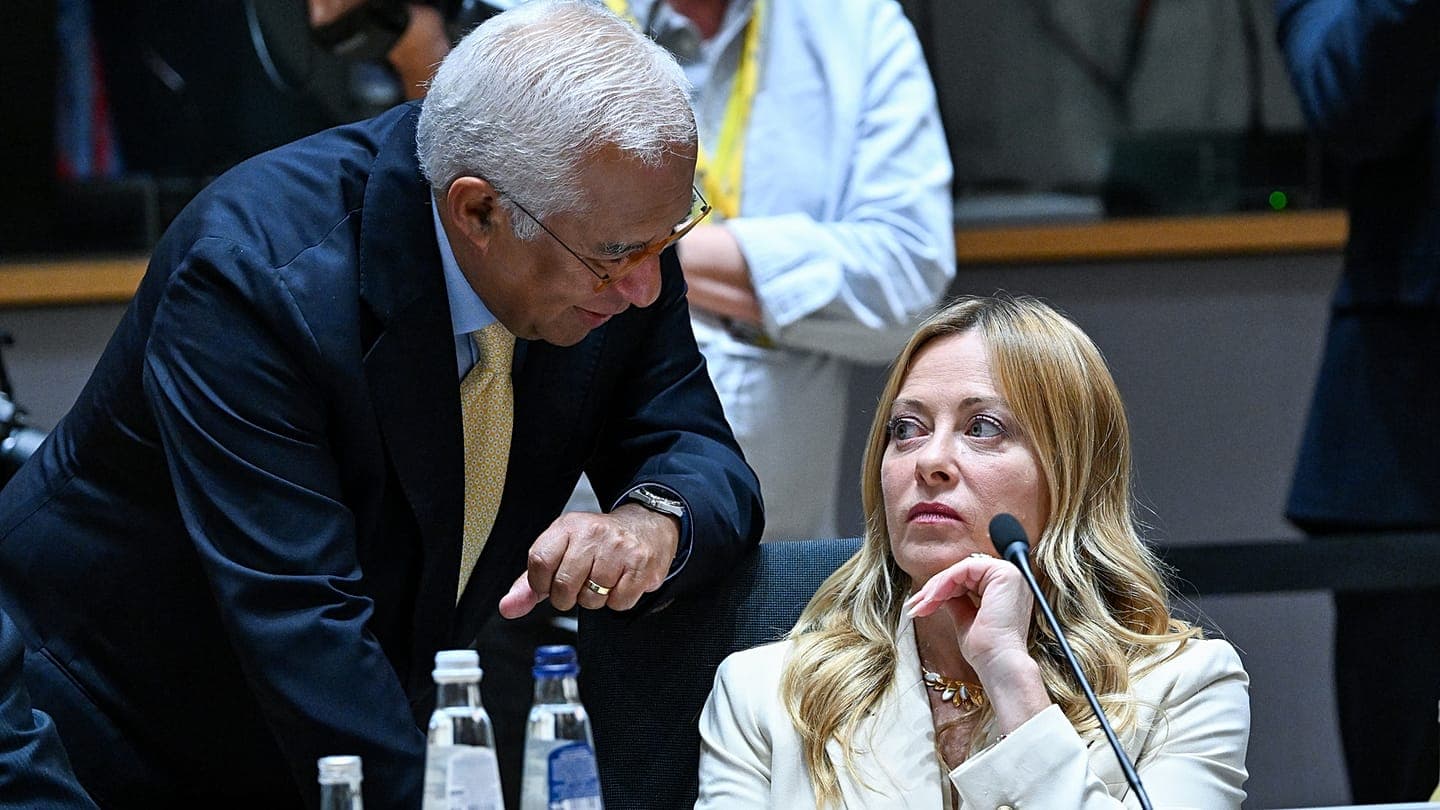
- Meloni, in a letter to Costa, demanded a single representative of Europe in the talks; the issue will be raised at the summit in Dublin
Warsaw's Warning
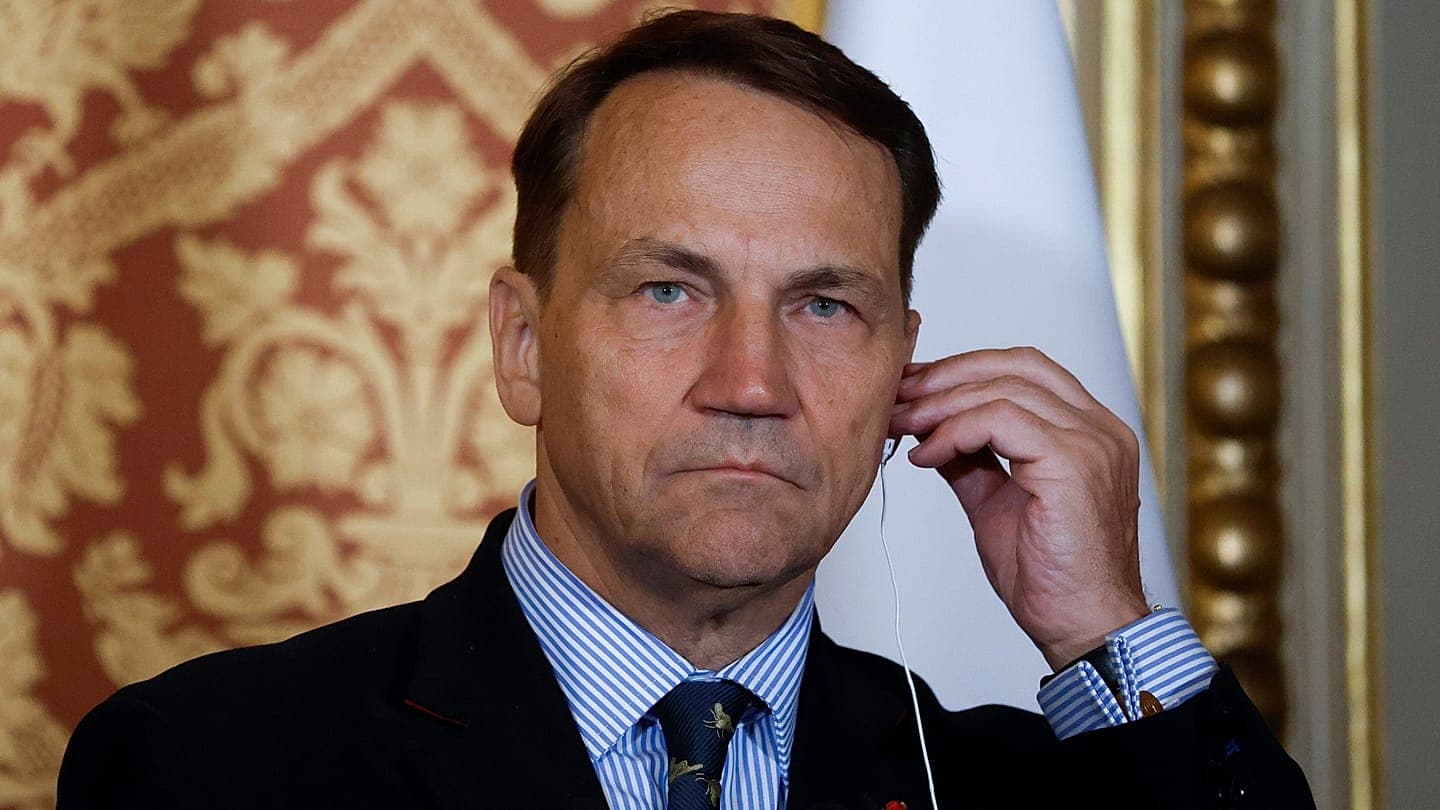
Poland has cautioned its European allies against settling the war in Ukraine without taking into account the security interests of Eastern Europe — the region most exposed to the consequences of the conflict. “The last thing we want is for Western Europe to negotiate with Russia over the heads of Eastern Europeans,” said Polish Foreign Minister Radosław Sikorski at a meeting with journalists in Warsaw, reports Euronews. According to him, Eastern Europe and Scandinavia cannot be excluded from the talks: “We are about 120 million people. Finland borders Russia; Norway borders Russia; the Baltic states border Russia; and Poland borders both Russia and Ukraine.”
Tusk on Threats and Moscow's Winter Tactics
Prime Minister Donald Tusk urged his European counterparts to be “very cautious” about Vladimir Putin's “real intentions” and to assess the US-led diplomatic process realistically. “In winter, Putin may have fewer incentives for a deal,” he said, referring to Russia's ongoing strikes on Ukraine's energy infrastructure. Tusk also said that Poland had carried out a large-scale operation along the border with Kaliningrad to prevent possible sabotage, and, according to sources in Warsaw and among allies, “the primary targets are the Baltic states and Poland.” He noted that the country had been “well prepared” for all scenarios, and that hybrid warfare, cyber warfare and provocations near Kaliningrad are “hard to distinguish — it is all happening at the same time.” Official Warsaw, according to Euronews, expects little from the US-brokered talks unless Putin demonstrates a genuine desire to end the war.
Dispute Over the Return of Russian Gas
Another irritant, according to American negotiators, was the plan to resume Russian gas supplies to Europe. Polish Energy Minister Miłosz Motyka called the idea “absurd”: a return to Russian gas would once again make Europe vulnerable to Putin's blackmail, run counter to the economic interests of the United States, and cause further damage to transatlantic relations. “If anyone is entertaining the illusion that they can buy time by buying Russian gas, that is a very short-sighted and very costly game,” he said, positioning himself against Europe's right-wing parties demanding the return of Russian fuel: “We will stick to our position regardless of who is in power.” This echoes the position of Brussels, which previously told the US and Russia that Nord Stream will not be reopened after the war.
Disagreements Over the Format of the Talks
Warsaw's warning came on the eve of the resumption of trilateral technical talks between Ukraine, Russia and the US in Abu Dhabi next week. They were preceded by a 90-minute phone call between Finnish President Alexander Stubb, Norwegian Prime Minister Jonas Gahr Støre and Putin, calling for the resumption of peace talks. After Abu Dhabi, the “E3” are ready to join the multilateral talks — France, Germany and the United Kingdom — together with the European Commission and NATO; the same format met with US representatives this week on security guarantees and Ukraine's post-war reconstruction. Euronews assesses these steps as the strongest signals of Europe's readiness to speak with Russia directly. However, the initiative angered Italian Prime Minister Giorgia Meloni, who sent a sharp letter to European Council President António Costa complaining about the “disarray” in the formats and demanding the appointment of a unifying envoy. “We are only serving the interests of those who want this war to continue. And I consider this unacceptable, given that human lives and the future of our security are at stake,” Meloni wrote. Costa agreed to raise the issue at an informal summit in Dublin immediately after the meeting in Abu Dhabi.
Who Represents Europe
Sikorski agreed with Meloni: 'We need legitimate representation of Europe in this process, because we are paying for this war. We have far more at stake, because this is our security — especially when the Russians are returning to the ultimatums of 2021.' Like Costa in his reply, he pointed to the framework of the Lisbon Treaty, under which common foreign policy must be led either by the President of the European Council or the High Representative (Kaja Kallas). 'My preference is to stick to the treaty and perhaps bring in the British. But we are in the process,' the minister said. The United States, which is organizing the talks, apparently favors the European Commission, which oversees funding for Ukraine and sanctions against Russia: Ursula von der Leyen's cabinet chief Björn Seibert has become an active interlocutor of the American special envoys Steve Witkoff and Jared Kushner, who on the eve published a long post about the future architecture of European security and the need to overcome 'decades of distrust.'