The key facts
- The emergency joint session of both chambers of Congress on November 5 produced no decision: the ruling party left the chamber, derailing the quorum
- The opposition insists on impeachment, previously approved unanimously by the Chamber of Deputies (78 of 80 votes)
- The crisis began after the liquidation of Ueno Bank, which left nearly three million clients — about 60% of the population — without access to their funds
Vote derailed
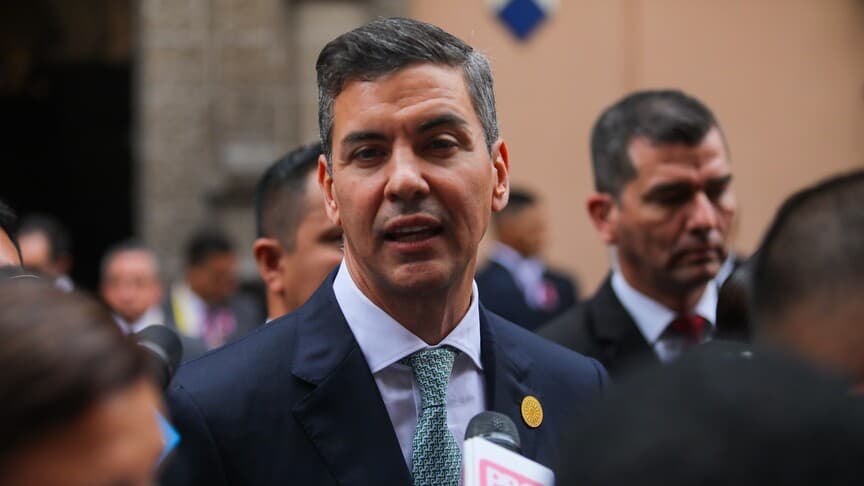
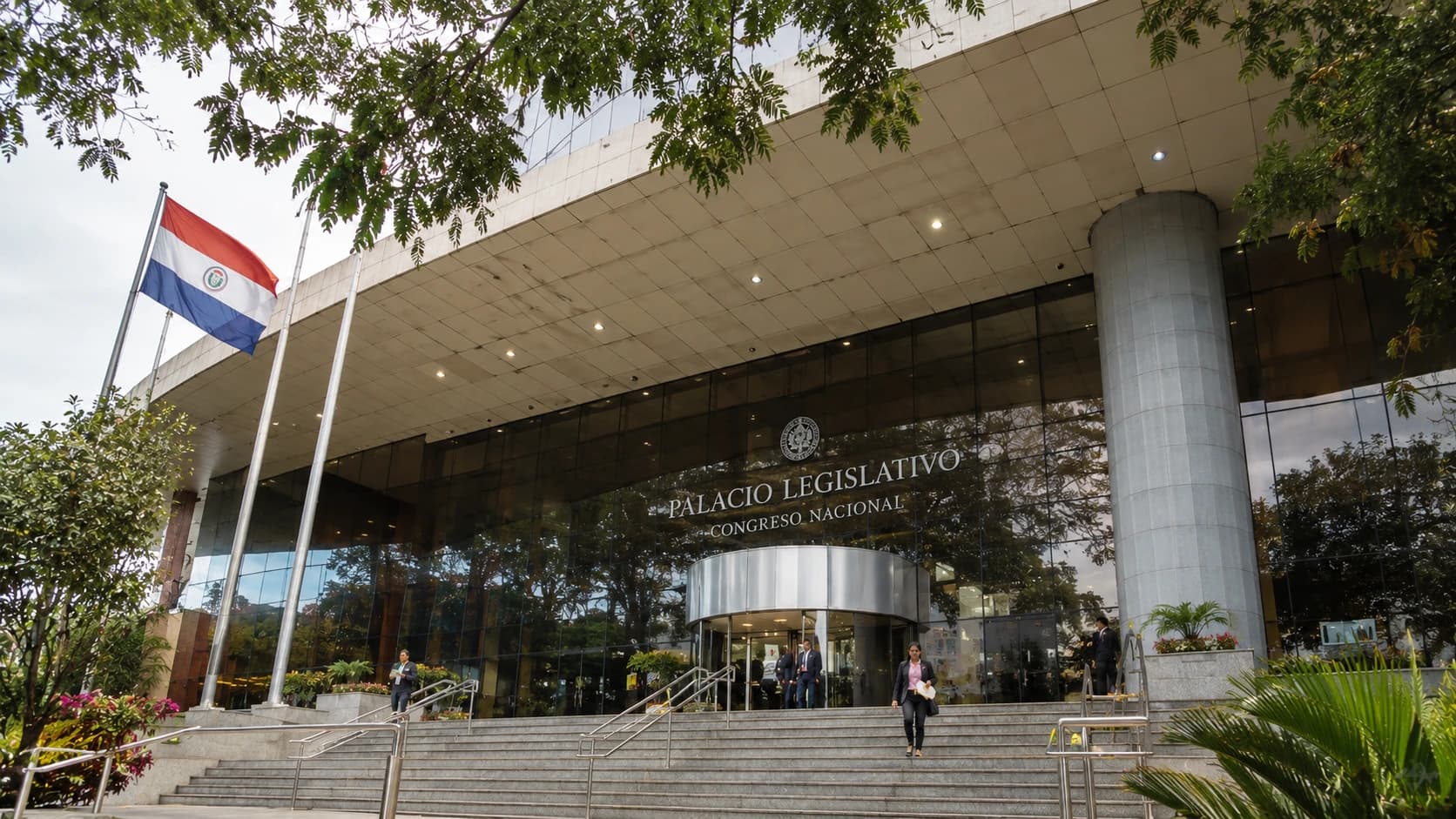
The Congress of Paraguay failed to accept President Santiago Peña's resignation. At an emergency joint session of both chambers held on November 5, after lengthy debates the deputies proceeded to a vote, but members of the ruling Colorado Party left the chamber, depriving the session of a quorum. This was reported by the local outlet ABC Color; Life.ru also describes the situation.
The parties' positions
According to Life.ru, the ruling party, apparently realizing that there were not enough votes to approve the resignation, walked out of the chamber. It was precisely this party that had earlier insisted on the resignation being accepted quickly, arguing that this would allow power to be transferred sooner to Vice President Pedro Aliana and reduce tensions in society. The opposition, by contrast, spoke out against Peña's voluntary departure: in the view of its representatives, accepting the resignation would give the politician a lifetime seat in the Senate and parliamentary immunity, complicating any possible criminal prosecution. Instead, the opposition demands that the impeachment procedure, previously approved by the Chamber of Deputies, be carried through to the end.
Cause of the crisis
The political crisis erupted after the central bank's decision to liquidate the digital bank Ueno Bank: nearly three million clients — about 60% of the country's population — lost access to their funds, after which mass protests began. Against the backdrop of public discontent, Peña submitted his resignation on November 5, explaining the decision as necessary to preserve stability in the country; he himself denies accusations of wrongdoing. The opposition accuses the head of state of a conflict of interest due to his past ties with the financial institution. Earlier, the Chamber of Deputies unanimously approved the start of impeachment proceedings: 78 of 80 deputies voted in favor of bringing charges, and no one voted against.