The key facts
- All 78 deputies present voted for impeachment despite Peña's resignation
- Interior Minister Enrique Riera submitted the resignation less than an hour before the vote
- The president's fate now rests with the Senate: impeachment or acceptance of the resignation
The vote held after the resignation
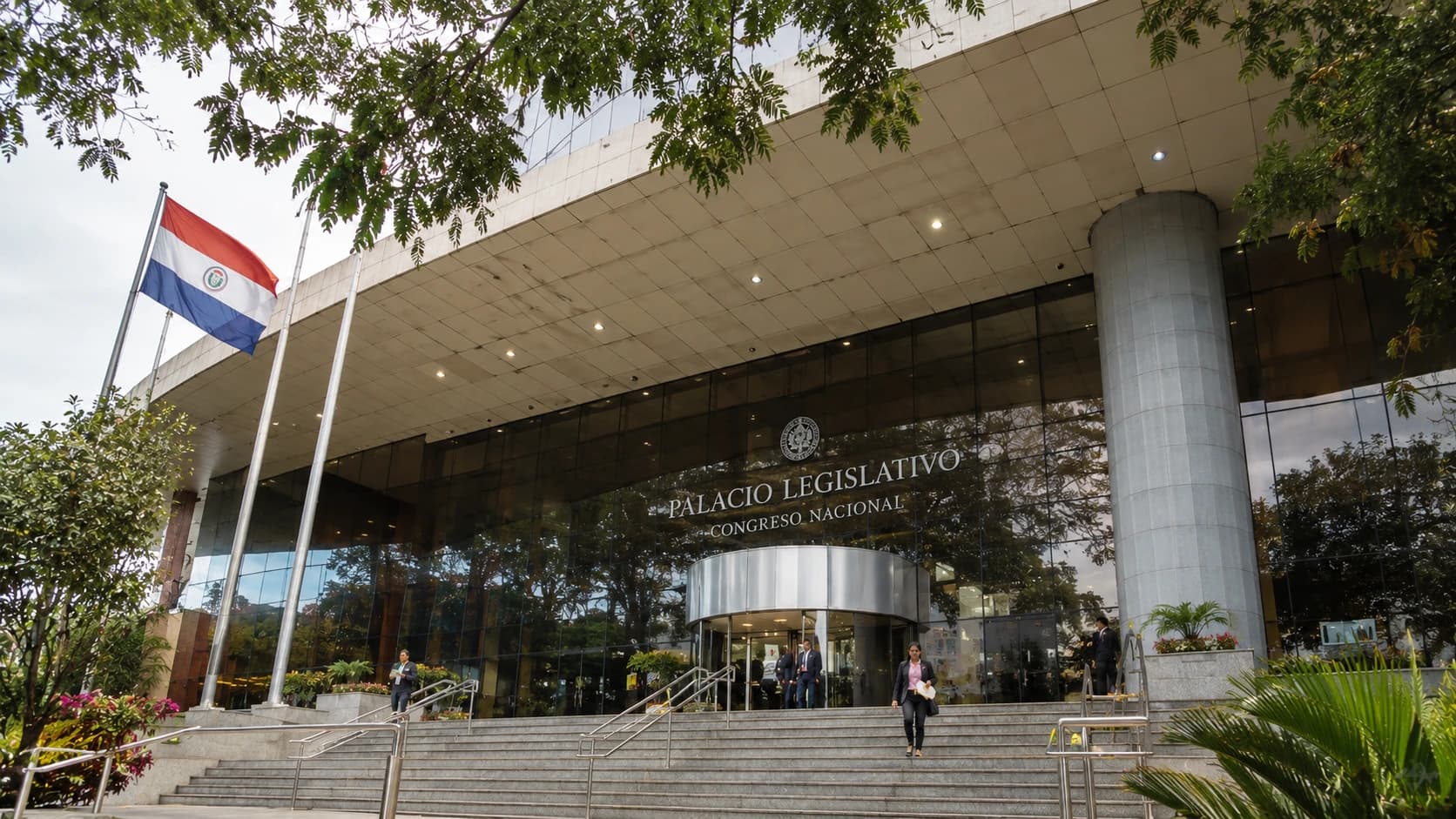
Paraguay's Chamber of Deputies on Thursday unanimously approved impeachment proceedings against President Santiago Peña, with all 78 lawmakers present voting in favor. According to the local newspaper ABC Color, the vote took place less than an hour after Interior Minister Enrique Riera formally submitted Peña's resignation letter to Congress. The Senate must now decide whether to continue the impeachment process or accept his resignation.
Reasons for the resignation and the Ueno Bank crisis
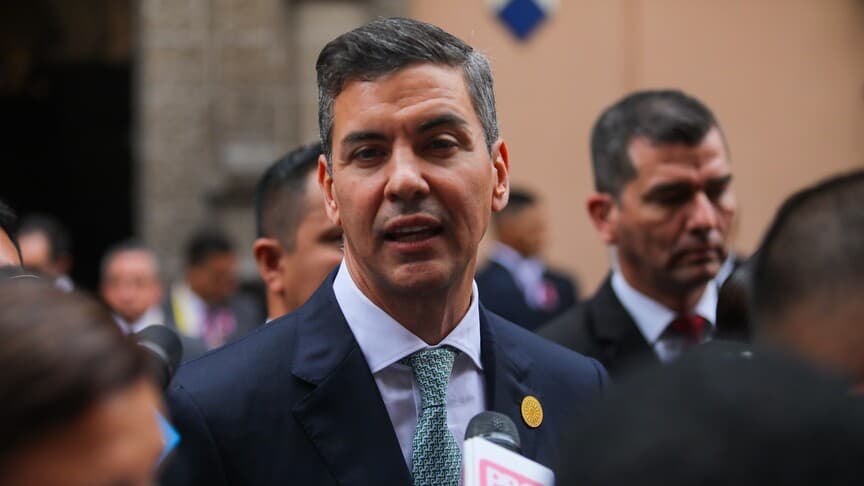
Peña announced his resignation in a video posted on X, saying he was acting to protect national stability, social peace, and democratic institutions. 'No office can stand above the well-being of Paraguay,' he said, and also apologized to citizens if he failed to live up to their trust. According to him, his main goal was to ensure the return of funds and the fulfillment of the Deposit Guarantee Fund's tasks.
Context of the crisis
The impeachment vote followed days of protests in the capital, Asunción, sparked by the collapse of the digital bank Ueno Bank and growing pressure on the president to step down. Paraguay's central bank placed Ueno Bank under external administration after its capital fell below the legal minimum, leaving millions of customers without access to their accounts. Authorities began transferring customer accounts to other banks to protect depositors; eight bank executives were detained, and charges were brought against 27 bank officials and business partners.
Political pressure and conflict of interest
Peña lost support within his own Colorado Party: his political mentor, former president Horacio Cartes, backed the impeachment efforts, ABC Color reports. The president had held office since August 2023 for a five-year term and owned shares in Ueno Holding, the bank's parent company, until 2025, which prompted accusations of a conflict of interest. Opposition deputies also accused the government of a conflict of interest, improper use of pension funds, and covering up the bank's problems.