The key facts
- Merz and Trump spoke by phone overnight about settling the conflict in Ukraine
- The sides agreed that the hostilities must first end, followed by discussions on Europe's security
- Berlin insists on NATO's and the Europeans' own participation in the talks and is coordinating its position with France and the United Kingdom
The night call and its content
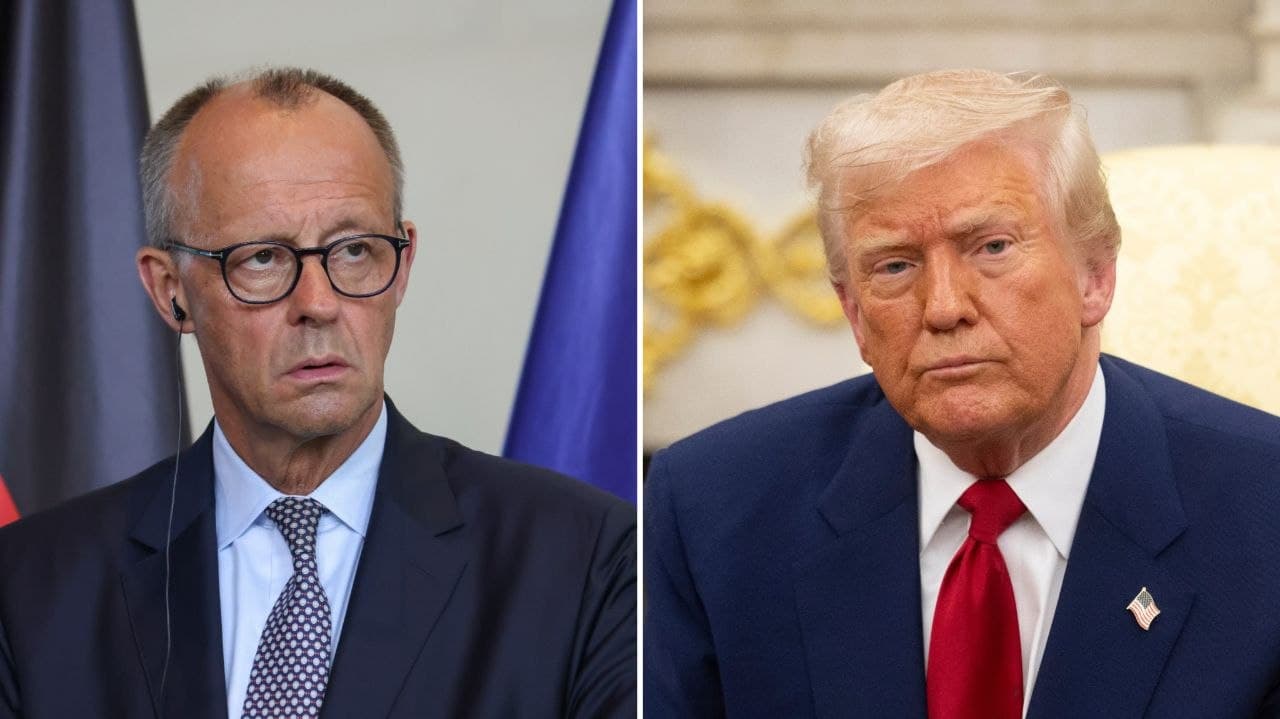
German Chancellor Friedrich Merz and US President Donald Trump held a phone call overnight devoted to settling the conflict in Ukraine. The conversation was reported by the German government spokesman Stefan Cornelius; details are provided by Handelsblattas well as Frankfurter Allgemeine Zeitung, citing a briefing by the cabinet spokesman.
What Berlin and Washington agreed on
According to Cornelius, the sides agreed that the first step must be to bring the hostilities to an end, and only then move on to discussing Europe's future security system. Future agreements, in the view of Berlin and Washington, should be coordinated with NATO partners, and the negotiations themselves on ending the conflict and on a new European security architecture should take place with the participation of European states. At the briefing, as Gazeta.Ru reports, Cornelius conveyed that Merz 'once again spoke in favor of NATO partners taking part in peace talks on Ukraine' and stated that 'any peace agreement must be reached by consensus' of the alliance's partners.
Germany's role and the context
The German government spokesman clarified that Merz is involved in consultations with the US administration on possible negotiation formats with Russia; Germany is coordinating its position with France, the United Kingdom and other allies, based on the conviction that without Europe's participation, discussions of its security will yield no result. The call itself took place after Trump called the chancellor back in response to his earlier attempt to get in touch. Gazeta.Ru adds context: the day before, Trump said that Moscow and Washington were close to agreements not only on the Ukrainian conflict but also on security in Europe as a whole, and reported a meeting with Russian presidential special envoy Kirill Dmitriev, the details of which he has so far refused to disclose.
What was previously known about Merz's position
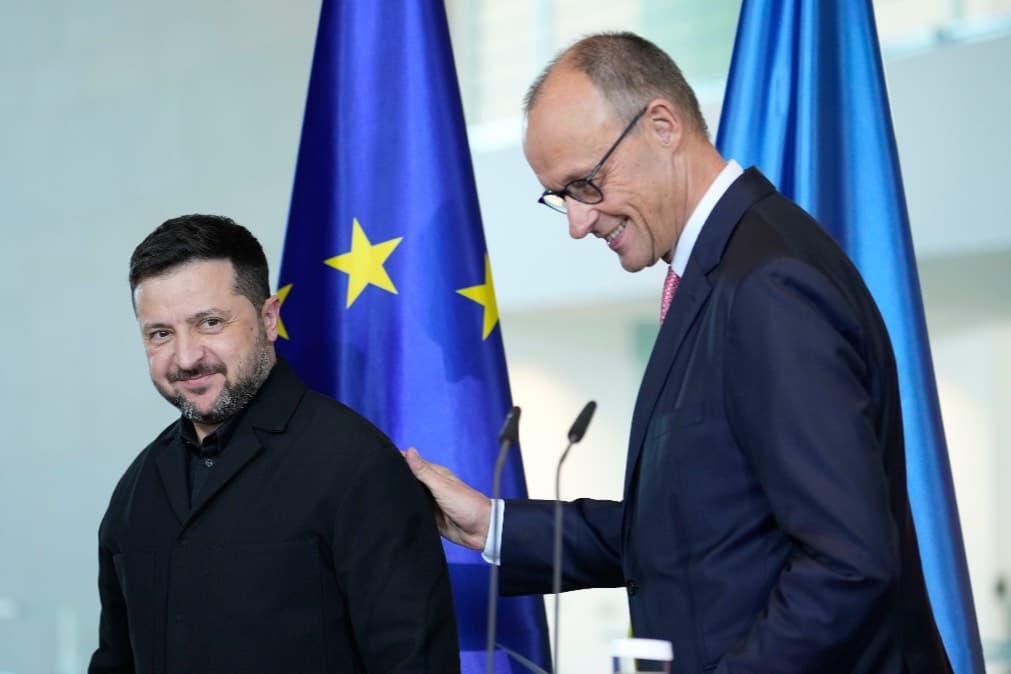
Life.ru previously reported that Merz hopes to discuss the situation around Ukraine with Trump in person before the end of the year and spoke of attempts to persuade Washington not to stop supporting Kyiv. At a meeting with Volodymyr Zelensky on November 3, the chancellor called on European allies to fulfill their commitments to help Ukrainebut did not announce any new measures on Germany's part. The publications give no specifics about the content of the possible agreements between Moscow and Washington that Trump referred to.