The key facts
- The decree on temporary administration of JTI assets was signed on November 5, affecting Donskoy Tabak, Pereslavl-Tabak, JTI Yelets, Kres Neva and enterprises associated with Petro
- On November 6, Japan Tobacco shares on the Tokyo Stock Exchange fell by 19.31% — to 6,269 yen
- According to Gazeta.Ru, Tokyo lodged a protest and demanded the decision be reversed; Japan Tobacco said it is studying the situation
Decree on temporary administration
On November 5, Russian President Vladimir Putin signed a decree transferring Japan Tobacco Inc.'s stakes in Russian production facilities to the temporary administration of JSC Industrial Assets. The stakes placed under administration include those in Donskoy Tabak, Pereslavl-Tabak, JTI Yelets and Kres Neva; Life.ru also names enterprises associated with Petro. The company itself stated that it is studying the situation and possible further actions, emphasizing that the temporary administration mechanism does not constitute nationalization or requisition of its property.
Market and Tokyo reaction
On November 6, the day after the decree, Japan Tobacco shares on the Tokyo Stock Exchange plunged by 19.31% — to 6,269 yen. According to Gazeta.Ru, Japan lodged a protest with the Russian government: Finance Minister Satsuki Katayama said that Tokyo has consistently urged Moscow not to infringe on the legitimate interests of Japanese citizens and companies, and that a protest and a demand to urgently take measures, including reversing the decision, were conveyed through diplomatic and other channels. Earlier, in early October, Japan imposed new sanctions on Russia.
Medvedev's comment and context
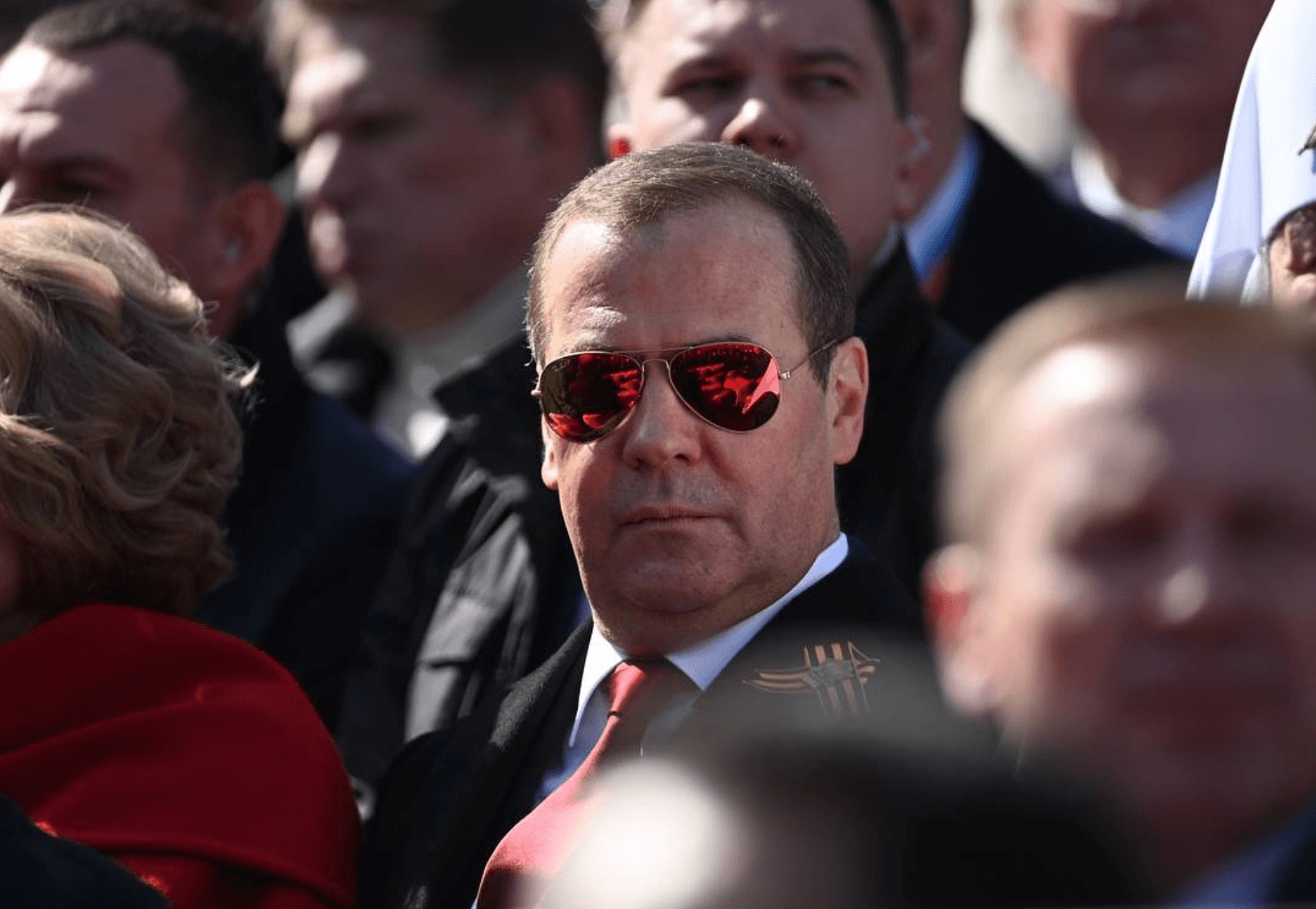
Deputy Chairman of the Security Council Dmitry Medvedev ironically commented on the share price drop on the social network X: “That's already something. By the way, smoking kills anyway.” Japan Tobacco has operated in Russia since 1999 and produces cigarettes under the Winston, Camel, Sobranie, LD and other brands; about a third of the company's shares belong to the Japanese government. It remains unknown how the company plans to act going forward and whether the administration regime for its Russian assets will change.