The key facts
- Head of Rosleskhoz stated there are no active forest fires in Russia
- The Avialesookhrana report as of midnight on November 6 still showed two fires in Orenburg Region
- The first fire of the year was registered on February 16 in Primorsky Krai
The season is coming to an end
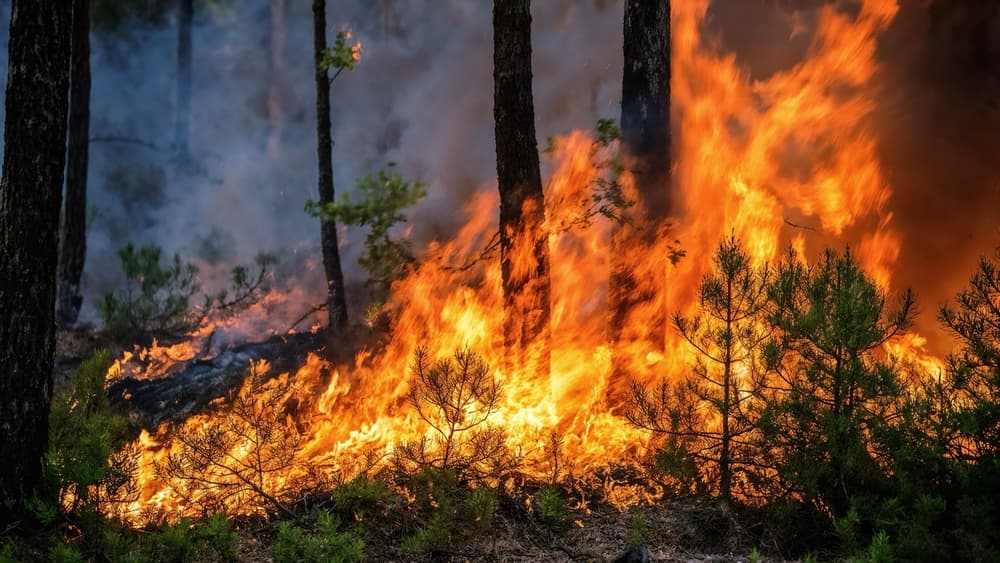
Russia no longer has a single active forest fire — this was announced by head of Rosleskhoz Ivan Sovetnikov in a comment to TASS, which Life.ru cites. According to him, the 2026 fire season is coming to a close, but specialists will continue monitoring the situation and remain ready to respond promptly to new outbreaks.
The data differ in timing
Notably, the operational report from Avialesookhrana as of midnight on November 6 still listed two active fires in Orenburg Region covering a total of five hectares. The outlet explains that these figures reflect the situation at an earlier moment than the agency head's statement, meaning the discrepancy is due to a difference in recording times rather than a contradiction.
The 2026 season in numbers
The first fire of this year was registered on February 16 in Primorsky Krai. Sovetnikov acknowledged that the season proved difficult due to climatic factors: forest firefighters had to protect not only natural areas from the flames, but also settlements, economic facilities, and residents. In his assessment, firefighting has effectively become year-round work — services battle the blaze for nine to ten months and spend the remaining time preparing for the new season.
Season context
The scale of recent work is reflected in statistics: from October 26 to November 1, 60 forest fires were extinguished across 16 regions, with the fire covering 6,331 hectares. Earlier, Life.ru reported how, at the end of August, smoke from fires in remote areas of Yakutia and the neighboring Krasnoyarsk Krai blanketed Yakutsk with pollutant concentrations exceeding permissible levels. The outlet also warned about the danger of 'zombie fires': under certain conditions, peat hotspots can smolder underground even in winter and resurface in spring.