The key facts
- Democrats won the midterm elections and will control both chambers of the US Congress starting January 2027
- Reuters named five areas of possible influence on Trump's policy: Iran, Ukraine, Israel, military spending, and foreign aid
- Trump previously announced the termination of military aid to Israel at the end of the year
Midterm election victory changes the balance of power in Washington
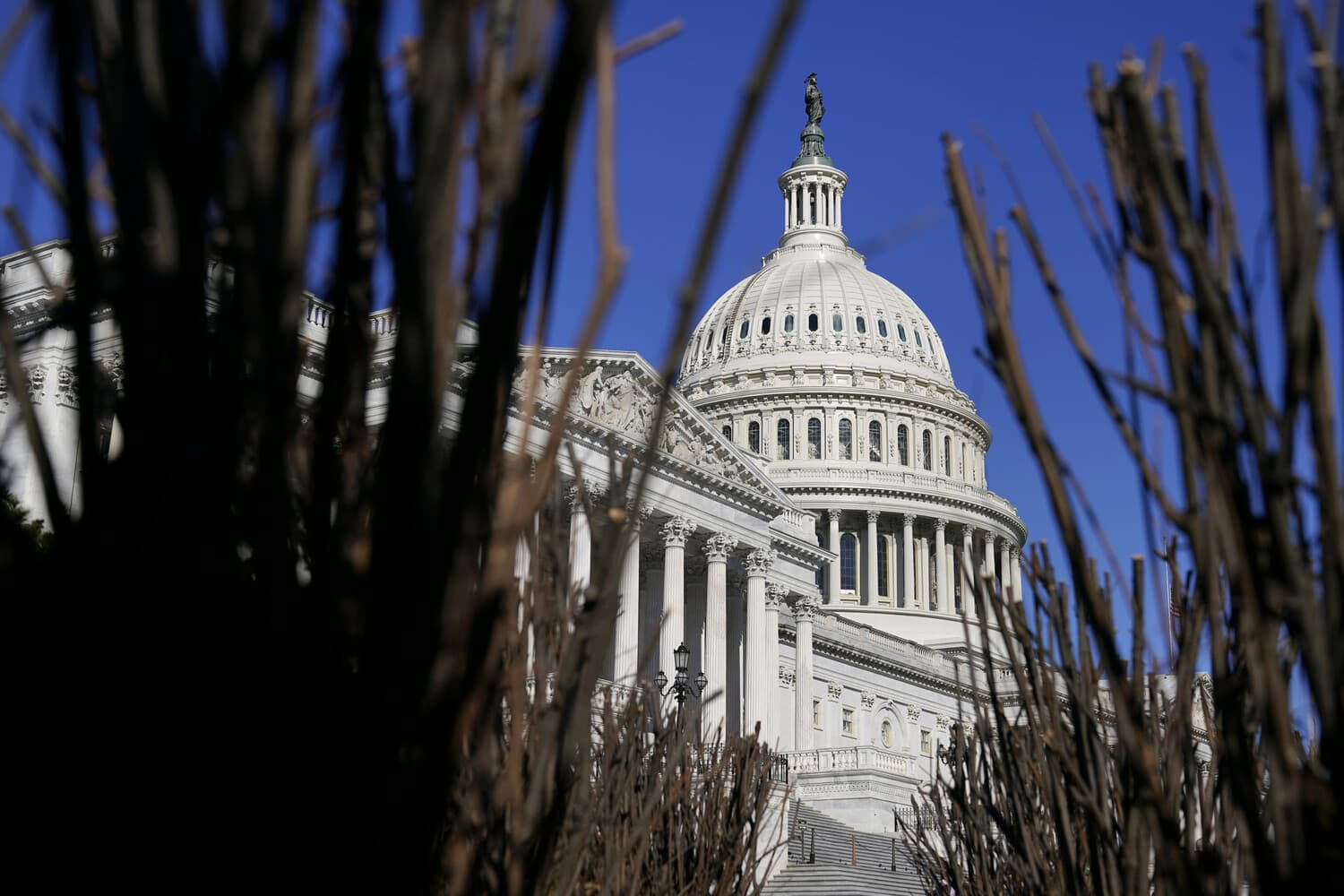
The Democratic Party won the US congressional midterm elections and, starting January 2027, will control both chambers. For the first time, this will give it a real opportunity to influence the foreign policy of Republican President Donald Trump. The Reuters news agency listed five main areas where Congress could constrain the administration's actions — Kun.uz reports this, citing the agency.
Iran and Ukraine: levers of pressure on the president
The first area is oversight of the war with Iran. Trump launched it without congressional approval. Lawmakers can now compel the president to seek authorization to continue the war by cutting defense spending or delaying the confirmation of nominees to government positions. The administration could also be required to report on its plans in public hearings.
Ukraine and Israel: aid in question
The second area is aid to Ukraine. Under Trump, direct financial and military support for Kyiv has largely stopped, and the president's decision on the diesel deal with Russia was negatively received by most members of Congress, including Republicans. Democrats can now bring bills on new aid to Ukraine to a vote with a majority; such bills would likely need to pass with two-thirds of the vote to override Trump's veto.
Israel, the military budget, and foreign aid
The third item is military aid to Israel. It currently includes $3.8 billion in annual funding, as well as billions of dollars additionally allocated after the events of October 7, 2023. In a pre-election interview, Trump said Israel no longer needs such aid and announced its termination at the end of the year.
The Pentagon budget has already become a point of conflict
The remaining two areas are oversight of military spending and the restoration of foreign aid. Trump demanded a 67% increase in the 2026 military budget — to $1.5 trillion — but Democrats in the Senate have already blocked the proposal, citing the president's refusal to consult with Congress on the Iran war plan and cuts to social program spending. This shows that the confrontation over the budget began even before Democrats formally take control of the chambers.