The key facts
- The operation took place in seven provinces: Madrid, Asturias, Guadalajara, Valladolid, Pontevedra, Burgos and Alicante
- The police reported 12 detainees, Cadena SER — 14, including leader Ivan Rico and ideologue Isabel Peralta
- The raids took place a day before the demonstration planned by the group in Madrid
Operation in seven provinces
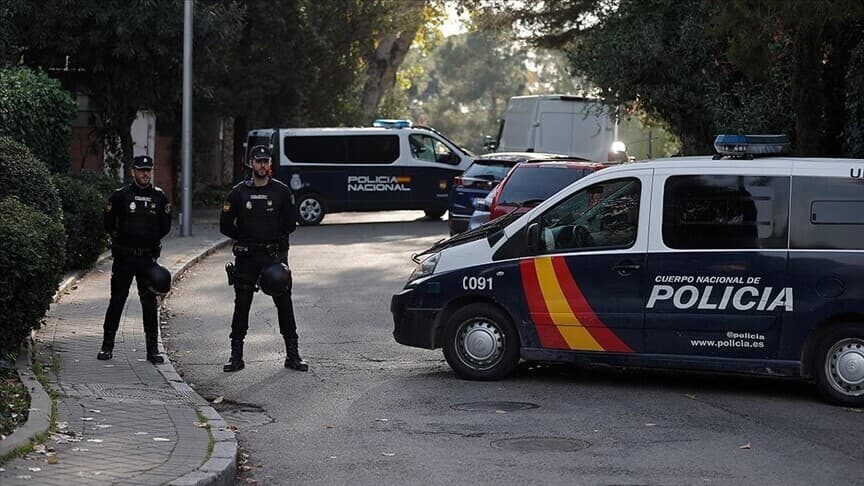
Spain's National Police announced on Friday the arrest of at least 12 members of the Nucleo Nacional group, which Spanish media describe as neo-Nazi. The operation covered seven provinces: Madrid, Asturias, Guadalajara, Valladolid, Pontevedra, Burgos and Alicante. Later the radio station Cadena SER reported that at least 14 people had been detained, including the group's leader Ivan Rico and its ideologue Isabel Peralta. Thus, the figures on the number of detainees differ between the police and Cadena SER.
Subject of the investigation
The investigation concerns suspicions of hate crimes, unlawful association and weapons possession — the newspaper El Pais reported this, citing sources in the High Court of Justice of Asturias. According to the newspaper, the investigation began after the February riots in the northern city of Gijon, in which several students were injured.
From street actions to a party
Nucleo Nacional combines racist and neo-Nazi ideology and, according to El Pais, grew out of far-right protests against the amnesty law outside the offices of the Socialist Party in November 2023. On its website, the group calls for defending 'our race and culture' and restricting access to public healthcare and education to 'our people', while describing liberalism, Marxism and progressivism as 'degenerate' ideologies. In 2024, the organization gained formal status by registering with the interior ministry as a civic-political association, and in February it registered as a political party. Nevertheless, its activities have repeatedly prompted police investigations: in April 2025, the Civil Guard opened an inquiry after the group distributed a video calling for 'active defence' of the streets and a fight against the 'invasion' of immigrants. At the time, Interior Minister Fernando Grande-Marlaska described the rhetoric as extremely alarming and said its imagery recalled dark periods of history. According to Cadena SER, the group will not stand in the upcoming general elections on 29 November and has called on its supporters to vote for Falange Espanola. The raids took place a day before a demonstration planned by the group in Madrid against, among other things, the so-called 'invasion of Ceuta' and 'ethnic replacement' — as evidenced by its posts on X.