The key facts
- Democrats will gain control of the House and Senate committees overseeing the State Department and the Pentagon
- Democrats will gain control of House and Senate committees overseeing the State Department and the Pentagon
- Gregory Meeks intends to bring resolutions on the immediate end of the war with Iran
- Republicans have lost a number of prominent national security figures: Susan Collins, Mike Turner, with Tom Tillis and Mitch McConnell departing
- Republicans have lost a number of prominent national security figures: Susan Collins, Mike Turner, while Thom Tillis and Mitch McConnell are leaving
A change of control over the committees
The Republican Party's heavy losses in the midterm elections are reshaping the balance in Congress: for the first time in nearly two years, Democrats will gain control of the House and Senate committees that oversee the State Department and the Pentagon. This will give the opposition the ability to investigate the Trump administration's actions and influence legislation on military spending, foreign aid and international security, writes The National.
Who will lead the relevant committees
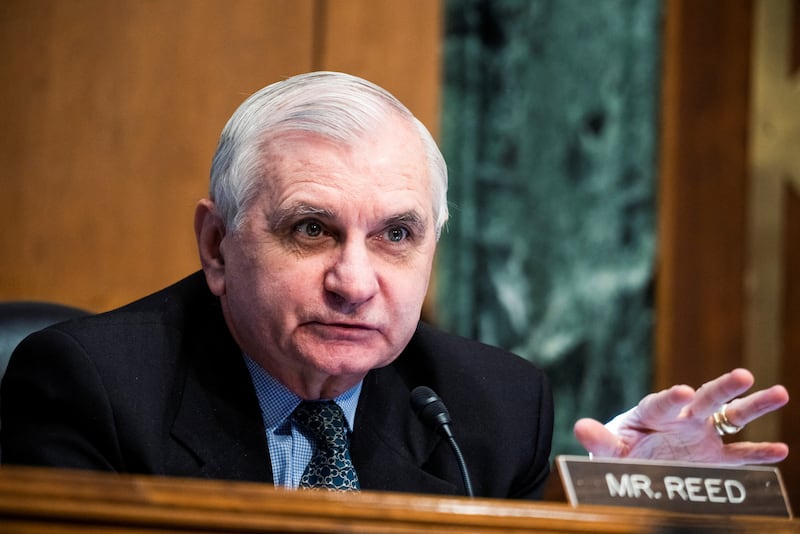
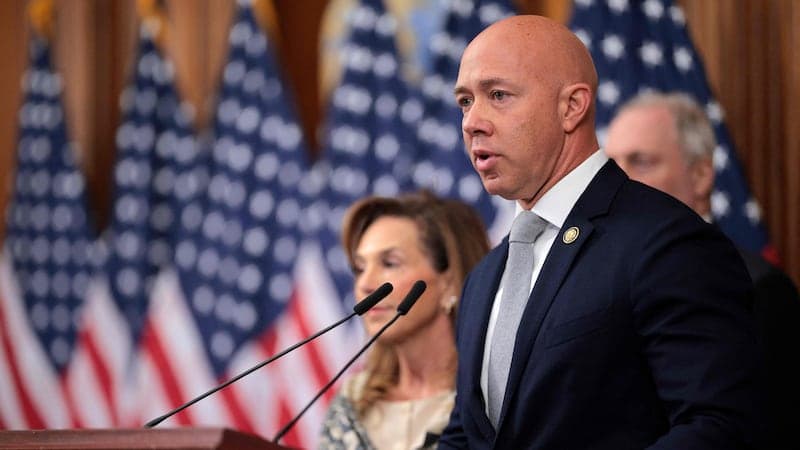
In the House of Representatives, Gregory Meeks is expected to take over the Foreign Affairs Committee, displacing the current Republican chairman Brian Mast, while the Armed Services Committee will likely pass to Adam Smith instead of Mike Rogers. In the Senate, the Armed Services Committee is set to be chaired by Jack Reed instead of Roger Wicker, and Chris Coons is considered the leading candidate for chairman of the Foreign Relations Committee when Jeanne Shaheen steps down in January. The appointments have not yet been formally confirmed and may change.
The loss of Republican expertise
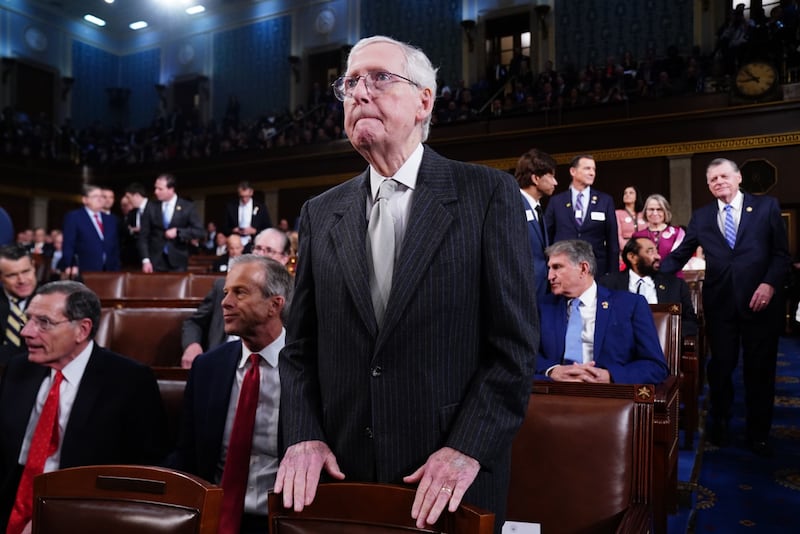
The elections dealt a tangible blow to the Republicans' foreign policy expertise. Susan Collins lost her seat in Maine — an influential voice on national security who served on the Senate Intelligence Committee and chaired the defense appropriations subcommittee. The seat of the retiring Tom Tillis, a supporter of NATO and aid to Ukraine, was taken by Democrat Roy Cooper. The seat of Lindsey Graham, who died in July, was contested by his sister Darlene Graham — she was defeated by the Democrat Annie Andrews. Mitch McConnell is also leaving, and Michael McCaul, the former House Foreign Affairs Committee chairman, is leaving Congress after eleven terms. Mike Turner, who chaired the House Intelligence Committee from 2023 to 2025, lost to Christine Kneerbocker.
The 'washout' of experts and the Democrats' agenda
'What worries me most is precisely the significant washout of strong Republican national security experts in Congress — through resignations, electoral losses or, unfortunately, death,' said Leslie Shedd, a nonresident fellow at the Atlantic Council's Eurasia Center, at a briefing. In her words, it is alarming to lose advocates of American strength abroad and of strong alliances, above all with Ukraine; she also wondered whether the new politicians will maintain an internationalist course or whether the party will lean toward its isolationist wing.
Iran, the Pentagon and Israel in the focus of the new Congress
The new Democratic chairmen will determine which issues receive Congress's attention. An early focus will likely be the war with Iran: Democrats have repeatedly challenged Trump's decision to launch military operations without congressional authorization. 'I intend to bring to the floor resolutions on the immediate cessation of the president's war with Iran, and I will make it a priority to restore to Congress its proper role in shaping U.S. foreign policy,' Meeks wrote in a letter on Thursday. The Pentagon budget will become another point of conflict: Democrats will scrutinize the administration's requests for additional funding. There may also be consequences for policy toward Israel, where disagreements among Democrats over military aid are growing — the new Congress will likely tighten oversight of arms deliveries and the conditions of American support. Policy on Ukraine will also be revisited, with Democrats generally more supportive of continuing military aid than the administration, which is negotiating with Moscow. The new Congress convenes in January.
The cabinet: rumors without confirmation
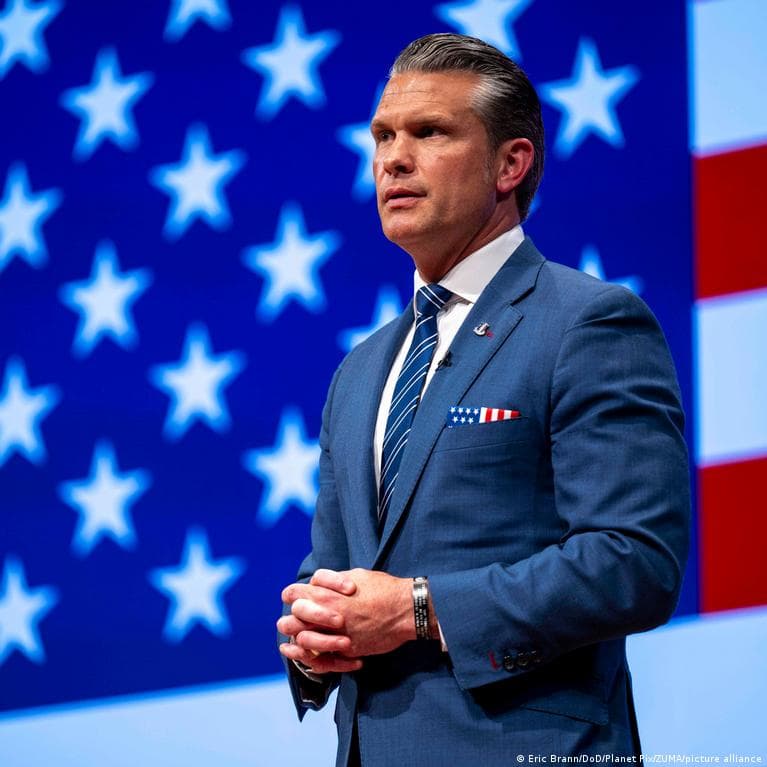
In the executive branch there is talk of possible reshuffles in Trump's cabinet, but nothing has been confirmed so far. The State Department emphatically denied a report in a British newspaper that Secretary of State Marco Rubio is preparing to resign. Washington insiders consider Defense Secretary Pete Hegseth vulnerable, since the war with Iran was viewed negatively by voters; asked about personnel changes on Friday, Trump replied that the Pentagon chief had done a 'fantastic job'.