The key facts
- Zelensky's visit to Madrid was kept secret until the plane landed; he confirmed the priority of strengthening Ukraine's air defense
- Meetings are planned with Sánchez, Felipe VI, Guterres, Costa and representatives of Latin American delegations
- The summit is taking place without Sheinbaum and Lula, while right-wing leaders — Milei and Kast — predominate among participants
A secret visit in the middle of a summit
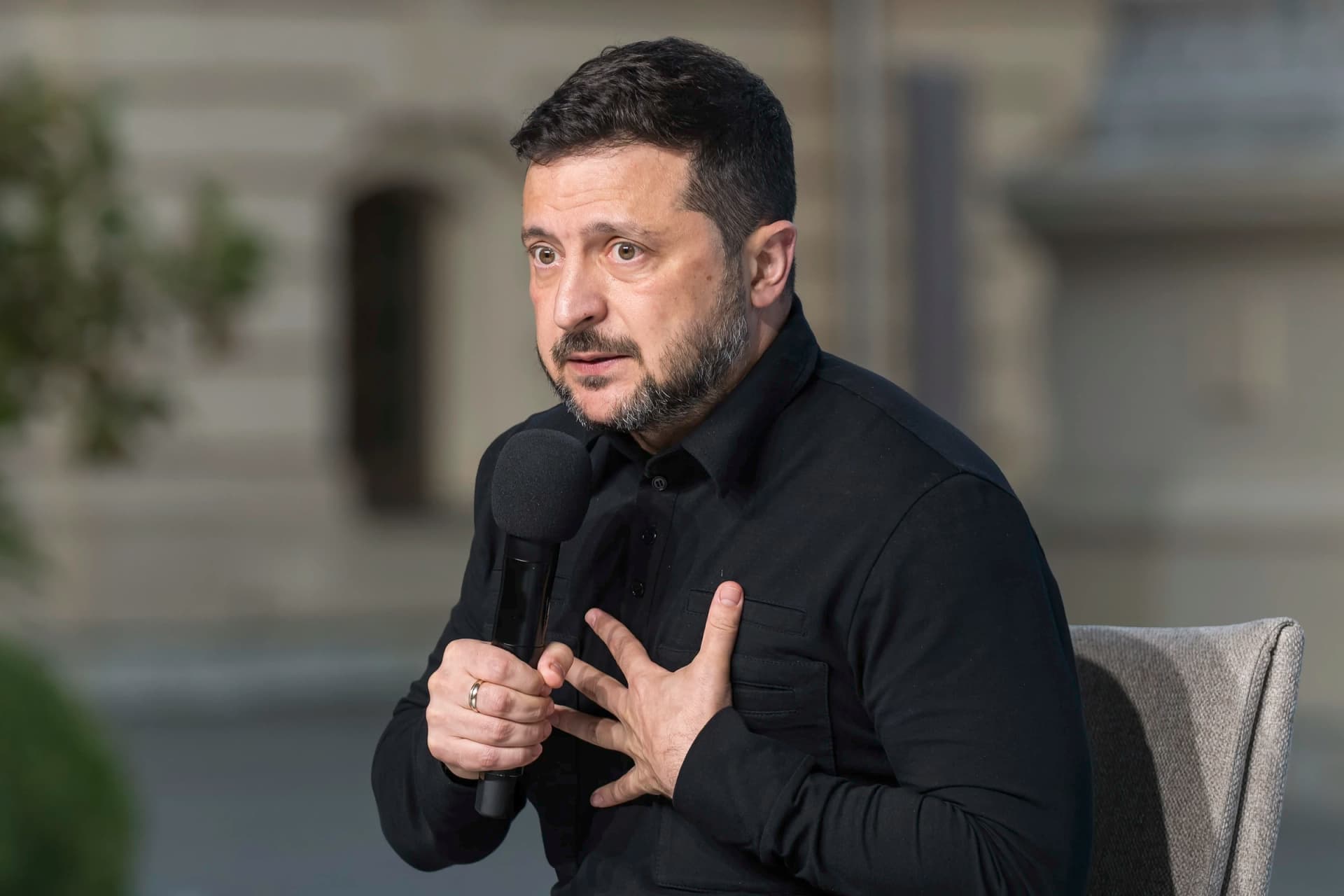
President of Ukraine Volodymyr Zelensky arrived in Madrid on Wednesday, November 4, for a series of high-level meetings timed to the 30th Ibero-American Summit. The visit was not announced in advance for security reasons — it only became known after the plane landed, reports Euronews. Zelensky confirmed his arrival on social media, saying: 'Our main priority is strengthening Ukraine's air defense, protecting our people, and expanding defense cooperation and production.' He did not disclose details of the 'upcoming support steps.'
Whom and why Zelensky is meeting
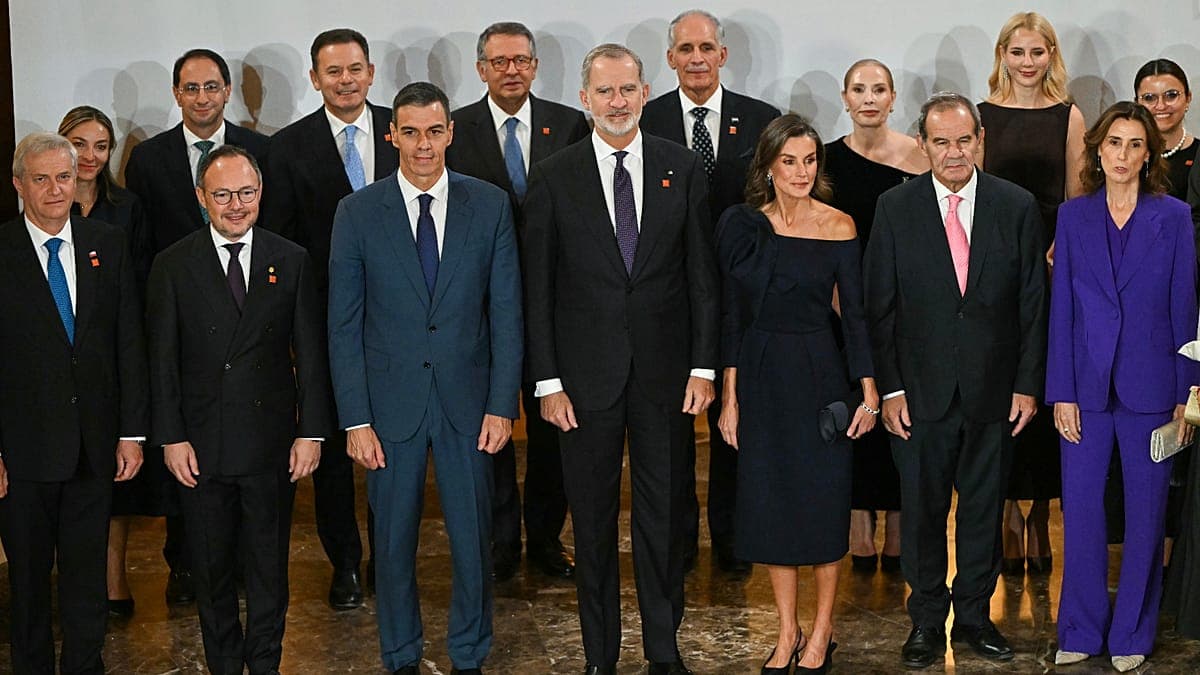
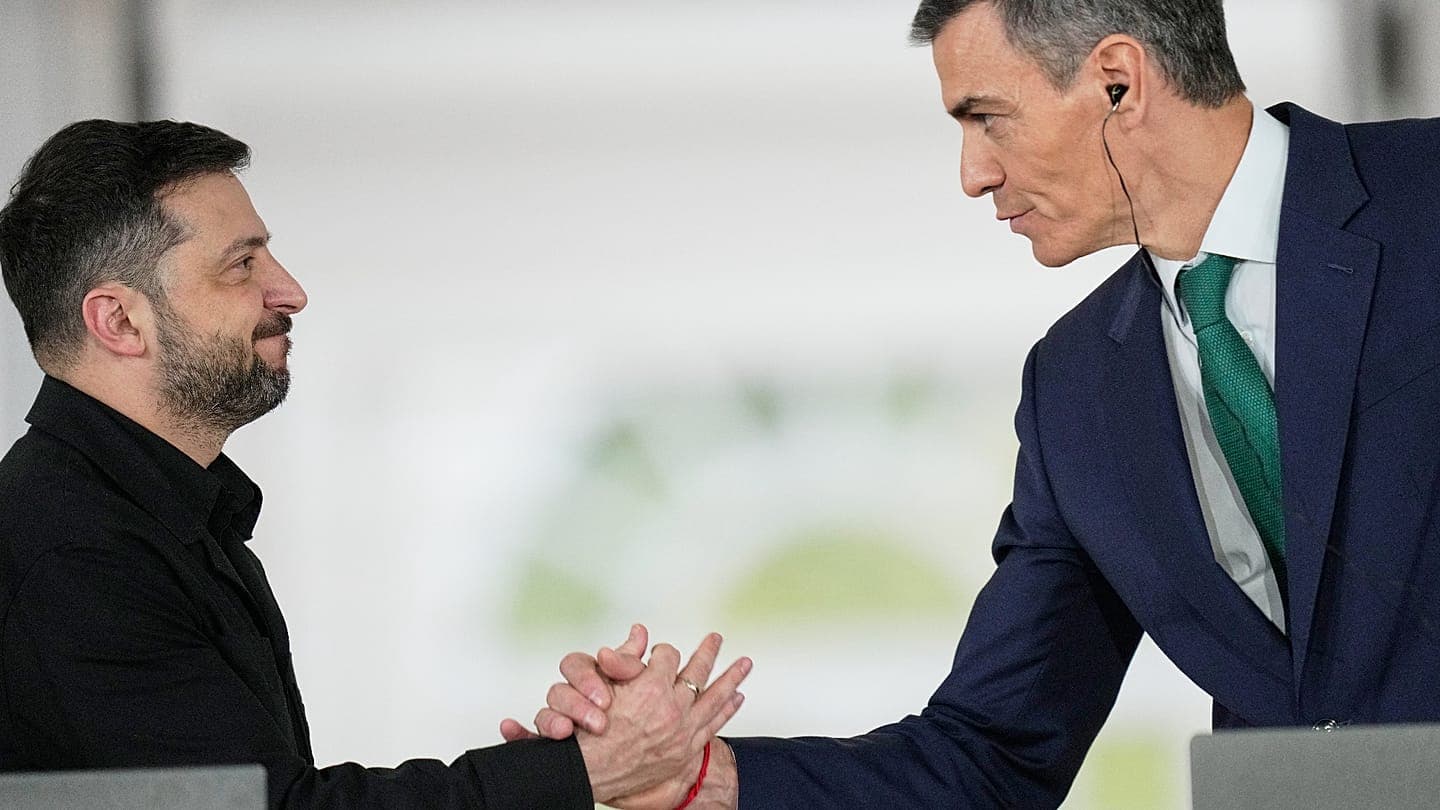
On Thursday, the Ukrainian leader will take part in a joint meeting with a number of heads of state and international officials who have arrived in the capital, including UN Secretary-General António Guterres and President of the European Council António Costa. Spanish Prime Minister Pedro Sánchez is also expected to attend. In addition, Zelensky will hold bilateral talks with Sánchez and the Spanish King Felipe VI. According to government sources, he also plans meetings with representatives of several of the 22 Ibero-American delegations. For Kyiv, the summit in Madrid is an opportunity to strengthen ties with Latin America, a region where the war caused by Russia's invasion continues to provoke opposing positions.
A summit amid disagreements and no-shows
The context of the meetings for Zelensky is complicated. Right-wing presidents of Argentina and Chile, Javier Milei and José Antonio Kast, are present in Madrid, as well as the Bolivian conservative Rodrigo Paz. Two weeks earlier, Milei had come to Madrid, where he called Sánchez a 'shameful dictator' and urged Spaniards to 'kick out' the socialists in elections; since 2023 he has not met with the Spanish prime minister even once. The Ibero-American format has been losing influence in recent years: at the previous summit in Ecuador in 2024, according to Euronews, attendance was historically low, and participants failed to adopt a final declaration. Spain's Foreign Minister José Manuel Albares rejected the characterization of the forum as 'fading,' noting that all 22 countries are represented by at least foreign ministers, and that ten arriving heads of state are a success compared with three at the meeting in Cuenca. Complicating the picture for Sánchez is the absence of his left-wing allies — President of Mexico Claudia Sheinbaum and the re-elected Luiz Inácio Lula da Silva. The Secretary-General of the Ibero-American community, Andrés Allamand, called the forum 'a summit of confirmation.'
Felipe VI: the answer is an open economy
Amid economic uncertainty, King Felipe VI spoke before the Ibero-American entrepreneurs gathered in Madrid against protectionism: 'The best answer lies not in protectionism, but in an open economy based on equal rules for all.' He rejected the idea of closing national economies and raising trade barriers, emphasizing the region's potential, which possesses significant energy resources and strategic raw materials, including critical minerals and rare earth elements. To attract investment, he said, what is needed is 'a stable environment, legal certainty, and reliable, transparent institutions,' while trust is 'one of the most valuable assets, and the easiest to lose.' The King also called it important to strengthen ties between the EU and Latin America and the Caribbean.