The key facts
- By 2030, uranium production is to grow from 7,500 to 15,000 tonnes per year, with proven reserves reaching 200,000 tonnes.
- Production of 16 types of important metals is planned to grow to $2.7 billion, with $1.1 billion in investment being attracted for tungsten.
- In February 2026, it was reported that 7,000 tonnes were mined in 2025 and reserves stood at 139,000 tonnes.
Goals for 2030
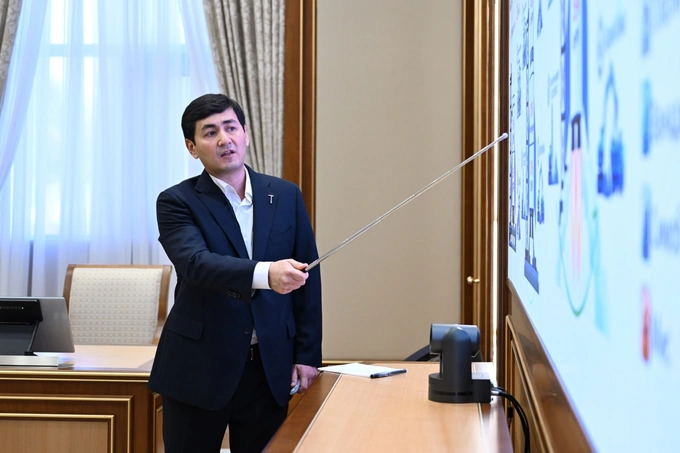
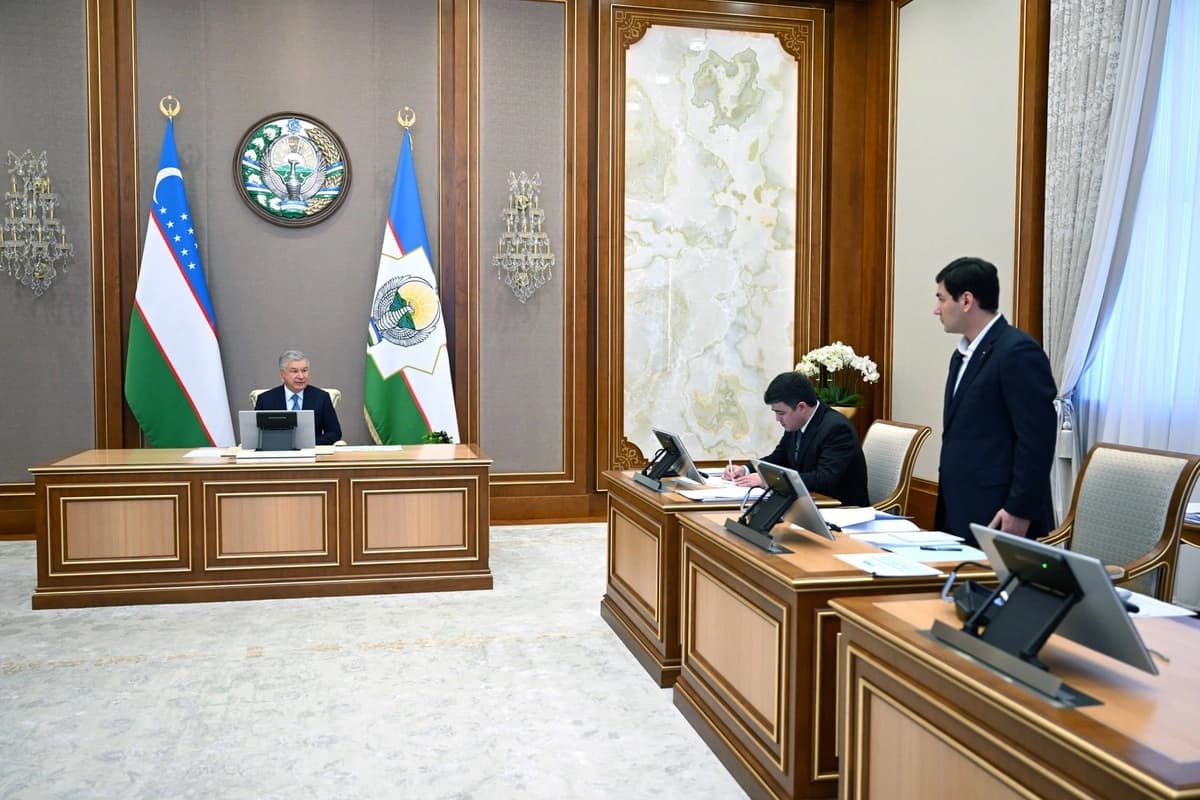
Uzbekistan plans to increase uranium production to 15,000 tonnes per year by 2030 and raise the output of 16 types of important metals to more than $2.7 billion. These targets were announced in a report on the 2026 priorities of the Navoi Mining and Metallurgical Combine and JSC Uzbek Technological Metals Combine, presented to President Shavkat Mirziyoyev, reports Gazeta.uz.
What has changed compared to February
The figures have been noticeably revised compared to the previous presentation in February 2026: back then it was reported that 7,000 tonnes of uranium were mined in the country in 2025, and proven reserves stood at 139,000 tonnes. Now the baseline for the current year is set at 7,500 tonnes of production, and reserves are planned to be raised to 200,000 tonnes by 2030. For comparison, according to Forbes Kazakhstan citing reporting data, the largest producer — Kazakhstan — mined 25,800 tonnes of uranium.
Rationale and new production lines
The presentation attributes the growth to global demand: demand for uranium raw materials has risen by 15–20% in recent years and is expected to add another 28% by 2030; the critical minerals market is growing at 10% per year versus 1% for traditional metals. A full cycle is being established at the Uzbek Technological Metals Combine — from geological exploration to deep processing; by the end of the year, 12 investment projects are planned to be launched there, and the output of high-purity selenium and tellurium is to be expanded. The president set the task of mastering 11 additional types of metals on top of the existing five (tungsten, molybdenum, selenium, tellurium, rhenium): nickel, cobalt, graphite, antimony, tin, manganese, platinum, vanadium, mercury and copper. For tungsten, $1.1 billion in investment is planned to be attracted, with output in this area to reach $2.2 billion by 2030.
What exactly is planned at Navoiuran
At the Navoi Mining and Metallurgical Combine, geological exploration and drilling will be expanded, new deposits will be developed, and additional sorption units will be launched, creating 250 new jobs. Cooperation with local industrial enterprises on the supply of technical sulfur, sulfuric and nitric acid has also been strengthened; Mirziyoyev pointed out the need to raise the share of reagents replacing sulfuric acid to 40% by 2030. Following the presentation, officials were given instructions on the timely launch of investment projects, strengthening the mineral resource base and increasing exports.