The key facts
- More than 100 police officers were injured in Frankfurt; riots also in Cologne, Hamburg and Berlin
- Disagreements within the CDU/CSU and SPD coalition: migrant groups versus the causes of violence
- The Hesse interior minister allowed for a ban on the November 20 rallies
Peaceful protests and outbreaks of violence
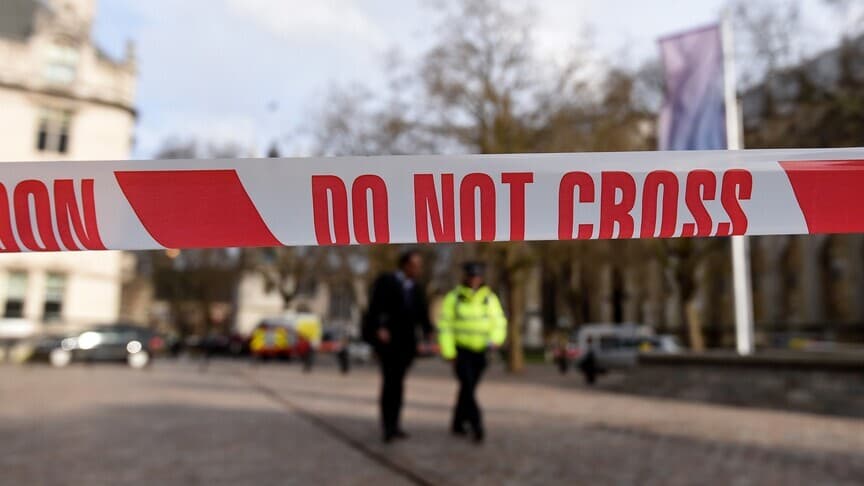
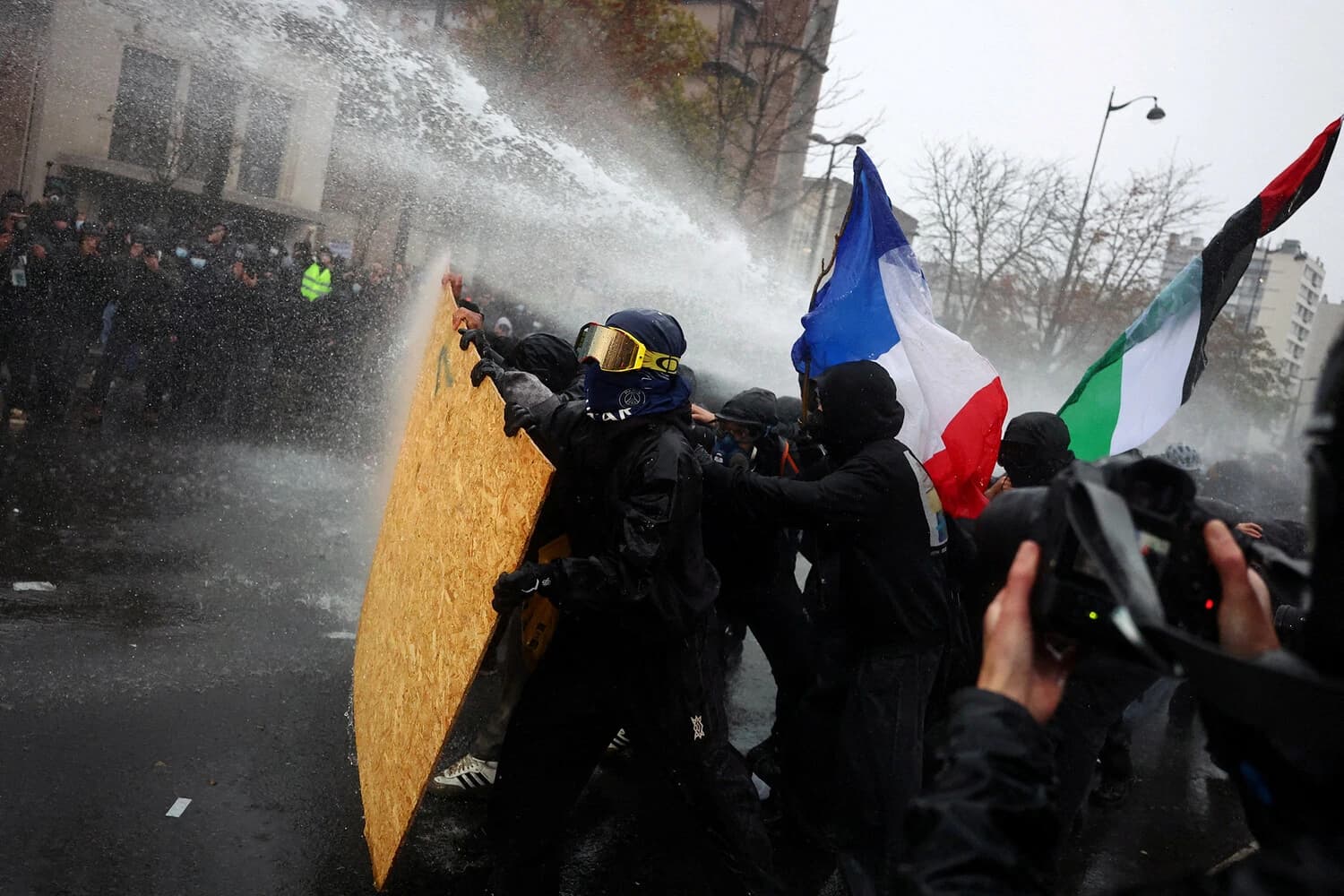
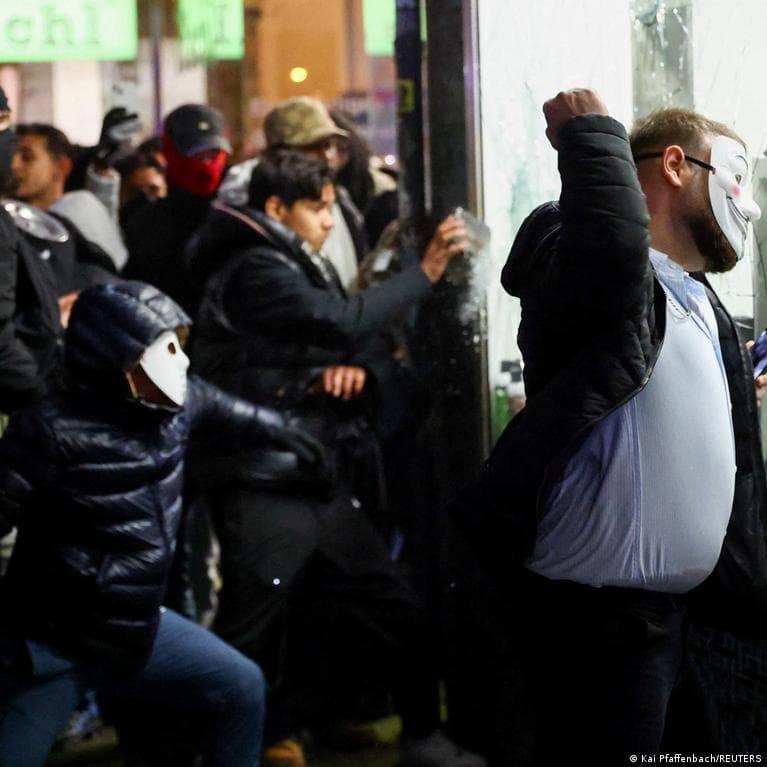
On October 31, tens of thousands of young people took to the streets across Germany in predominantly peaceful actions called by the Gen Z regelt initiative (Gen Z takes matters into its own hands), demanding better educational opportunities, affordable housing and more active climate measures. However, after the protests, street clashes broke out in Frankfurt: according to Deutsche Welle, more than 100 police officers were injured, one of them seriously; shops were damaged and looted. The situation also escalated in Cologne, Hamburg and Berlin.
Conservatives point to migrants
The tone of the debate was set by Interior Minister Alexander Dobrindt (CSU) and the Hesse interior minister Roman Poseck (CDU). Poseck noted that most of those detained were German citizens, but added that this group of offenders was predominantly of migrant origin. Dobrindt said that peaceful demonstrations were hijacked in the evening by violent left-wing groups and migrant hooligans. Chancellor Friedrich Merz backed the minister: according to his spokesman Stefan Cornelius, the assessment is based on observations by investigative agencies and emergency services. Merz promised a tough approach: Violence has no place on our streets, and my government will show no tolerance for it.
The coalition splits in its assessments
The Social Democrats, the junior coalition partners, agree that criminals were at work, but dispute the wording. Defence Minister Boris Pistorius asked on ZDF: What exactly are migrant groups then? Does that include third-generation people living in Germany and holding German citizenship? When will we stop making this distinction? The government's integration commissioner, Natalie Pawlik, called it too simplistic to constantly attribute the riots to migrant milieus, noting that generalizations also hurt those who protested peacefully or served in the police themselves. At the same time, she stressed that crimes must be punished, and if investigations show the involvement of certain groups, then root causes should also be named — lack of prospects, experiences of marginalization, integration problems. Family and Education Minister Karin Prien (CDU) also called for examining the causes rather than stoking resentment.
Context and a possible ban on the rallies
The debate unfolds against a statistical backdrop: according to the Federal Statistical Office, about 31% of Germany's population has a migration background, and in Frankfurt more than 50%. Separately, the Hesse interior minister intensified the dispute by allowing for a ban on further Gen Z protests planned for November 20: in his words, the right to assemble is valuable, but the organizers do not control these gatherings. The organizers reject the accusations and immediately distanced themselves from the violence. Meanwhile, the family ministry announced that Prien will meet this week with representatives of the Federal Student Council (BSK) and the education union GEW. For readers of tafs.uz, what is telling is that this is not a single message but a split within the governing coalition: the conservatives' harsh rhetoric versus the call from part of the cabinet to examine the social causes — even though the youth rallies themselves were predominantly peaceful.