The key facts
- The government is considering reducing the noise limit for fireworks for private use by 50% — to 110 dB
- According to the British Fireworks Association, this would affect up to 60% of fireworks sales to the public, while a 90 dB limit would affect about 95%
- The government considers a full ban on the sale of fireworks to the public a disproportionate measure
Government considers limiting firework noise
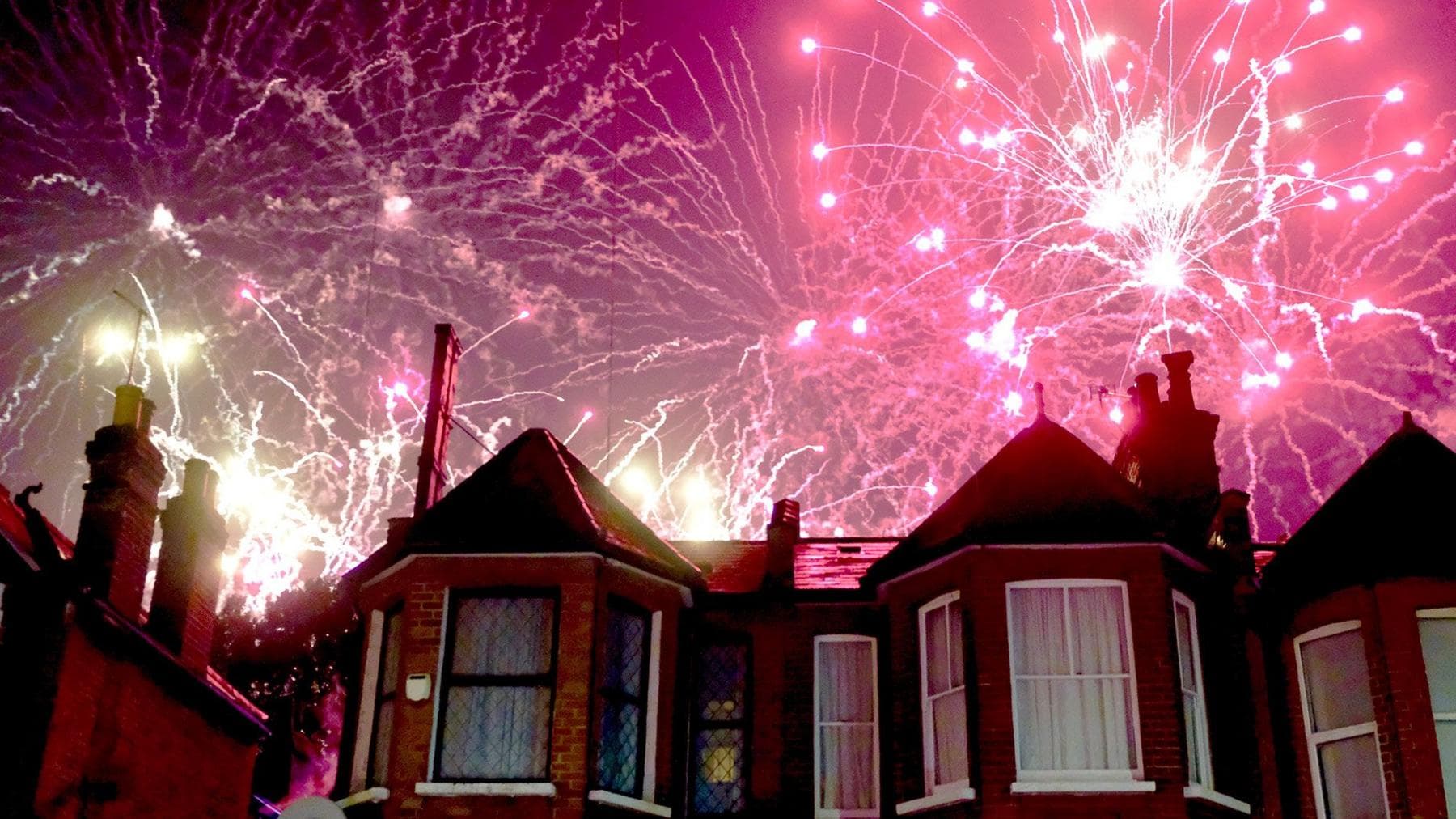
The British government is considering reducing the maximum noise level for the loudest fireworks sold for private use by 50% — to 110 decibels. As BBC News reports, the initiative emerged under pressure from activists concerned about the impact of loud sounds on easily frightened animals and people with post-traumatic stress disorder (PTSD). At the same time, the authorities consider a full ban on the sale of fireworks to the public a disproportionate measure. Business Minister Kate Dearden said her department is studying 'reforms to fireworks legislation' aimed at noise and the harm associated with misuse and antisocial behaviour, while preserving the ability to use fireworks safely at public and cultural celebrations.
Who is affected by the change
According to industry data, around 20 million people set off fireworks at home every year. An estimate by the British Fireworks Association (BFA), cited by its vice-chairman Andy Hubble, shows that a reduction to 110 dB would affect up to 60% of fireworks sales to the general public, while a reduction to 90 dB would affect about 95% of the range. Hubble called the second option 'effectively a ban on consumer fireworks rather than a moderate reduction in noise'. He also argued that public displays are already getting quieter: sparklers, 'air bombs' and 'screaming' rockets have already been withdrawn from sale, and he warned that restrictions could push demand into the illegal market — according to him, a similar ban in Ireland led to a boom in the black market. Currently, the sale of fireworks to persons under 18 and setting them off after 23:00 are already banned, with exceptions for Guy Fawkes Night, Diwali, New Year and Chinese New Year.
Positions of animal welfare advocates and veterans
The arguments of both sides illustrate why the issue remains contentious. Dog owner Catherine Alderson from Clacton-on-Sea told BBC Breakfast that every year it is a 'nightmare' for her pet, and this year she lined her bedroom window with several layers of insulation to muffle the sounds. She believes displays 'should be about light and colour' and would accept a full ban on the sale of fireworks to the public. Meanwhile, Alan Frizzeri from the charity Combat Stress, which helps veterans with PTSD, speaking before the House of Commons Business Committee, said his organisation is not calling for a ban, understanding the cultural significance of fireworks: during this season the number of calls to their helpline rises, since loud explosions trigger PTSD symptoms. He quoted a veteran who had suffered multiple gunshot wounds: 'Nothing sounds like an AK-47 except fireworks being set off.' Frizzeri called, instead of a ban, for better enforcement of existing rules by the police. RSPCA and Combat Stress publish recommendations: pet owners should stay calm, turn on music or the TV, close windows and ensure a safe environment; people with PTSD should use noise-cancelling headphones and blackout curtains, scented candles, grounding techniques and support from loved ones on key dates.
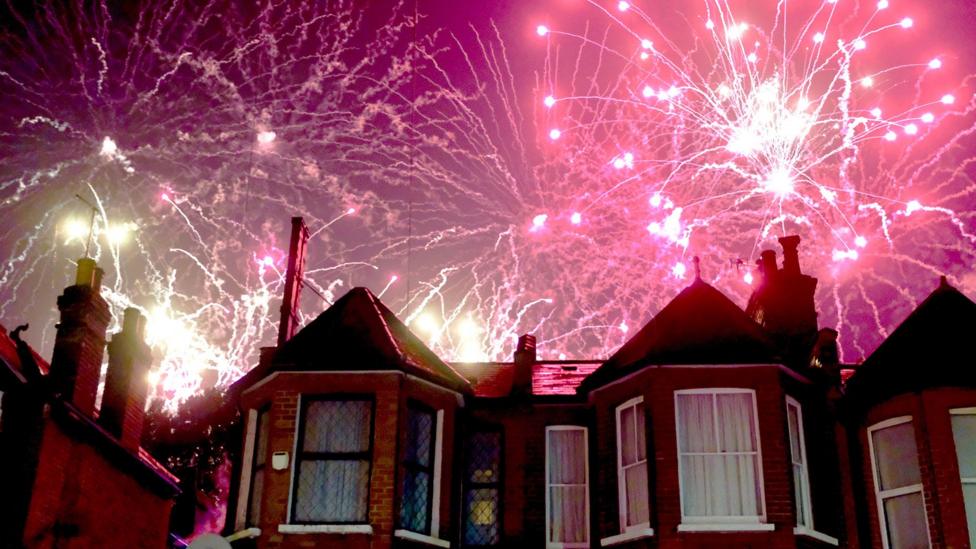 Image source, Getty Images
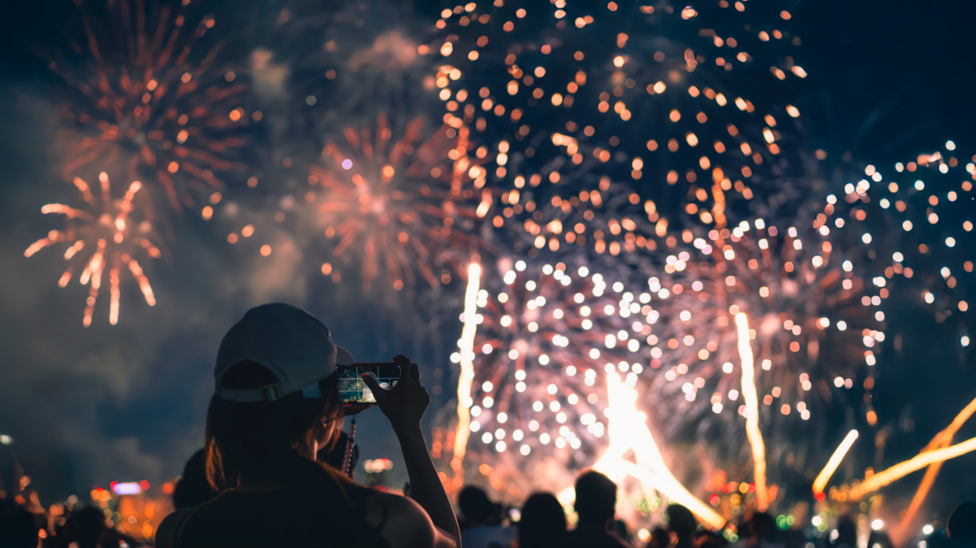 Image source, Getty Images
A woman enjoys fireworks in a crowd of people