The key facts
- With 75% of votes counted, Peltola leads Sullivan: 102,962 (48.2%) to 102,325 (47.9%)
- Independent Daniel J. Sullivan Jr. received 3,600 votes (1.7%) — potentially enough to change the outcome
- Democrats have already secured majorities in both chambers of Congress regardless of the Alaska result
Trump's demand amid an unfinished vote count
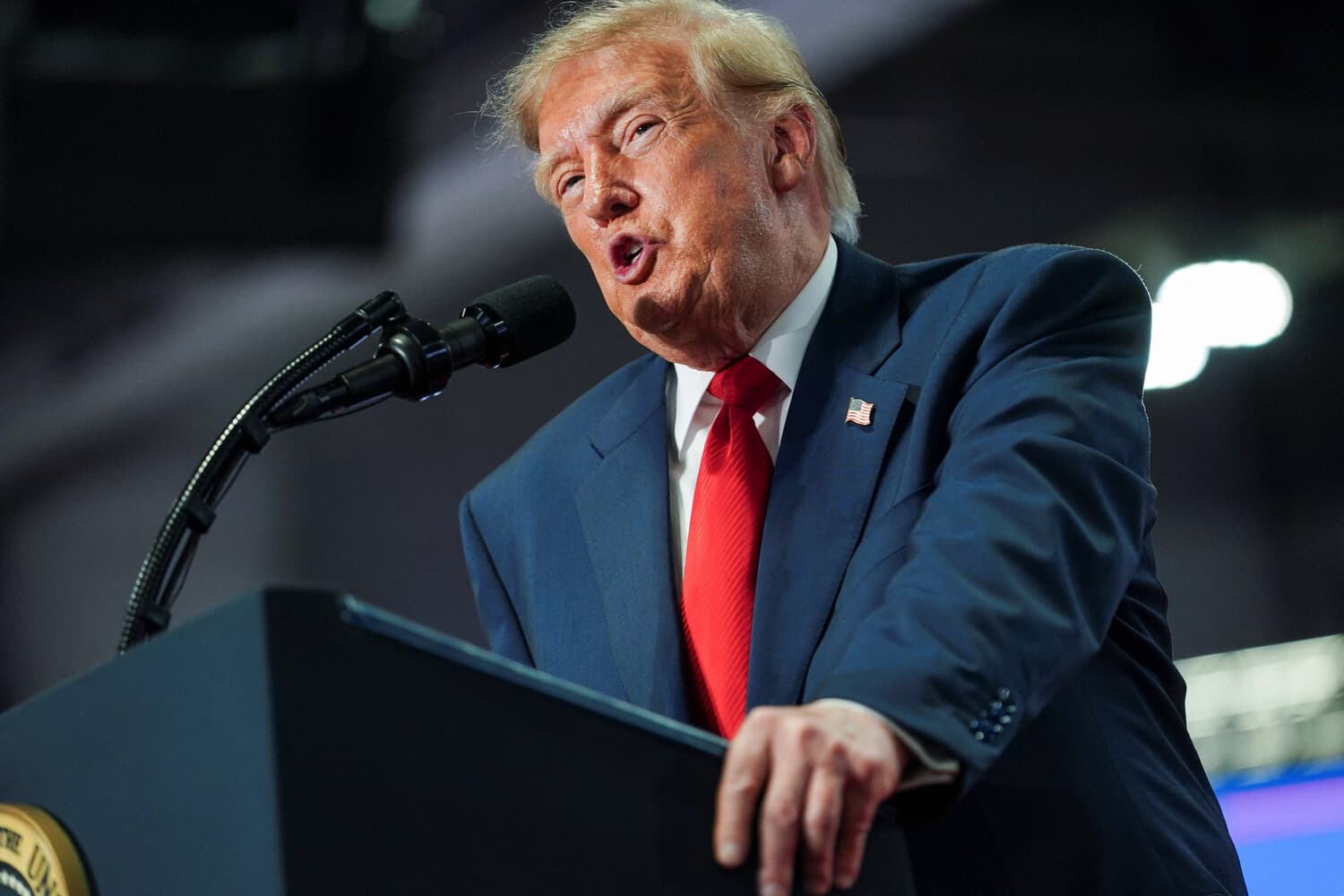
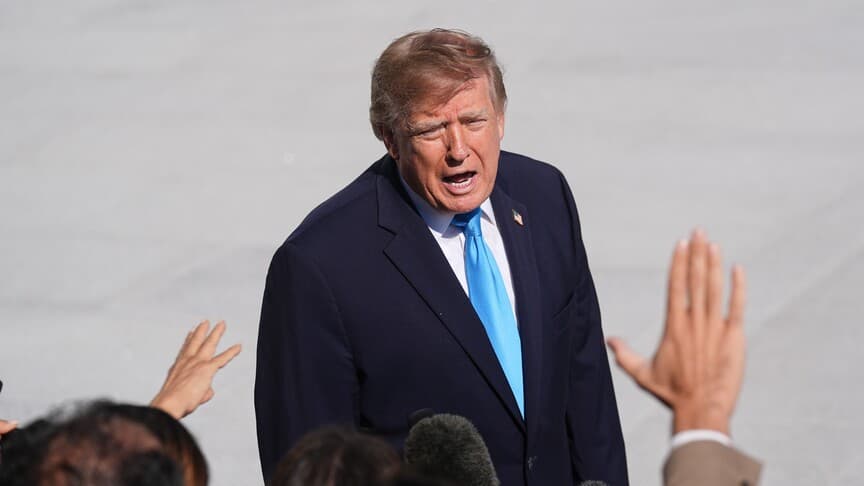
US President Donald Trump on Thursday demanded that ballots cast for third-party candidates in the Alaska Senate election be transferred to incumbent Republican Senator Dan S. Sullivan. “The votes cast for the fake Dan Sullivan plus another ‘stooge’ the Democrats put on the ballot should be immediately given to the real Dan Sullivan, and the election is over — he wins easily,” Trump wrote on Truth Social, adding that “there is no other fair solution.” Anadolu reported this.
The vote breakdown
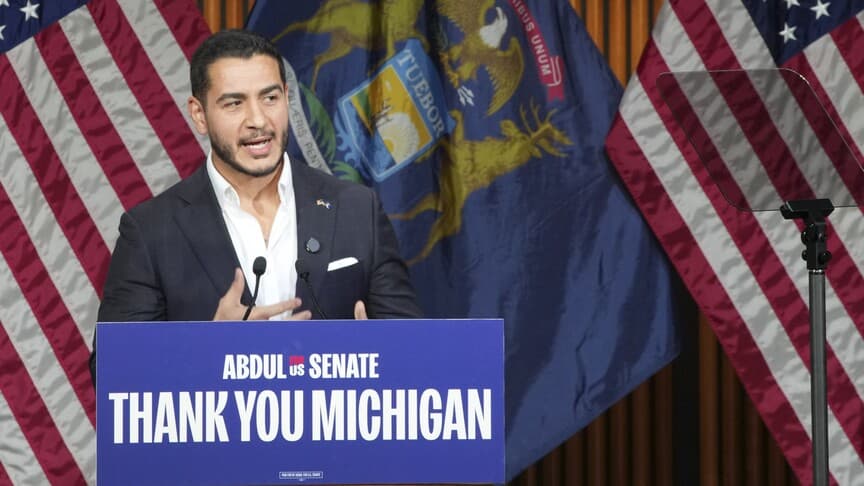
According to the latest media projections, with 75% of votes counted, the Democratic candidate Mary Peltola leads Sullivan by a narrow margin: 102,962 votes (48.2%) to 102,325 (47.9%). Independent candidate Daniel J. Sullivan Jr. received 3,600 votes (1.7%) — an amount potentially sufficient to change the outcome of the race if redistributed. Republicans had previously criticized the inclusion of a candidate with a similar name on the ballot, arguing that Sullivan's political opponents wanted to confuse voters. Peltola rejected claims that her campaign was involved in this candidate's nomination. Democrats, for their part, point out that namesakes have often appeared on ballots before, so changing the rules specifically for this race would be a double standard.
What is known about the results
The race remains undecided after Tuesday's midterm elections, in which the Democrats, regardless of the Alaska result, gained control of both the Senate and the House of Representatives. Under state rules, ballots from overseas and military voters may arrive within 15 days after Election Day, so final certified results are not expected for several weeks. Projections give the Democrats 54 of 100 seats in the Senate — a numerical majority that, however, is often insufficient due to chamber rules: with a filibuster, many votes effectively require a supermajority of 60 votes. A majority of 55 seats — with Peltola — would bring the Democrats closer to that goal.