The key facts
- Vice President JD Vance called the war with Iran the main reason for the Republicans' defeat in the midterm elections
- Vice President JD Vance named the war with Iran as the main reason for the Republicans' defeat in the midterm elections
- Trump announced the end of about $4 billion in annual military aid to Israel by the end of the year
- From January, Democrats will take control of Congress and will be able to oversee war funding
- From January, the Democrats will take control of Congress and will be able to oversee war funding
War as the cause of defeat
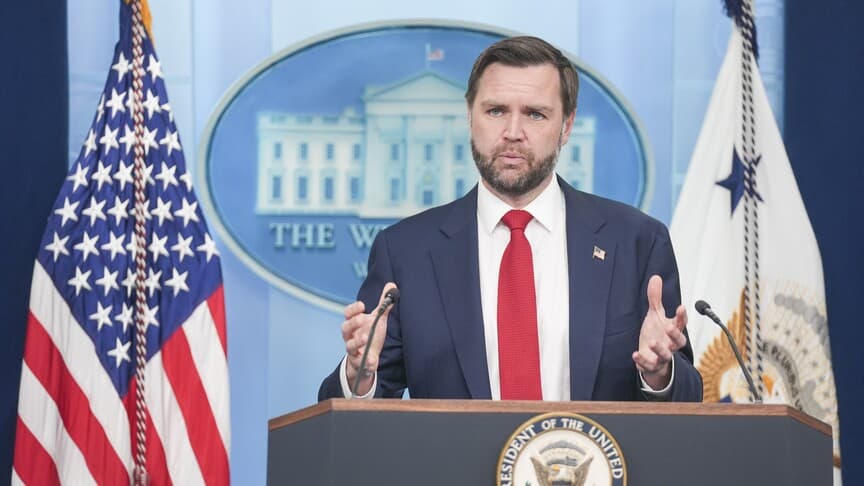
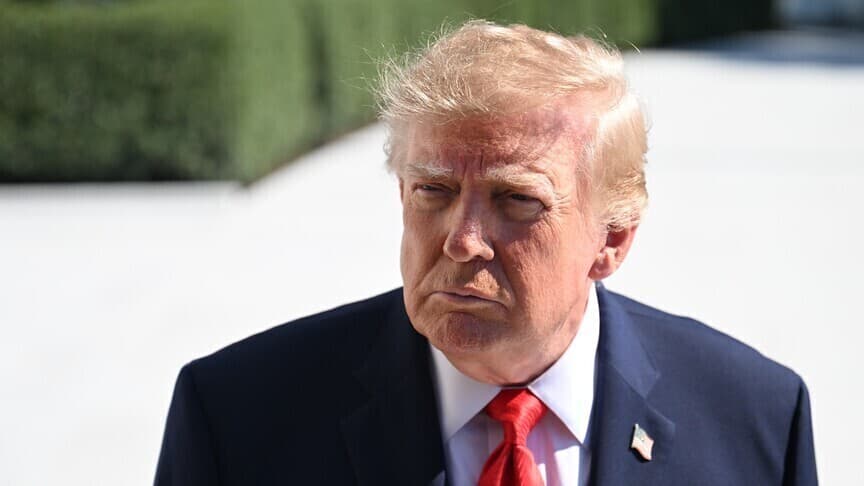
US Vice President JD Vance said on Wednesday that the war with Iran was the main reason for the Republican Party's crushing defeat in the midterm elections, in which Democrats won control of Congress and delivered results beyond expectations. “The reason we lost is the war. The president himself said so last night,” Vance wrote on X, referring to Donald Trump's Fox News interview in which he called the war with Iran “part of” the reason for the loss. Trump on Wednesday called the vice president's words “mostly true,” but added: “if I had to do it again, I would do it again, because in the long run it's the only answer.”
Voter sentiment and aid to Israel
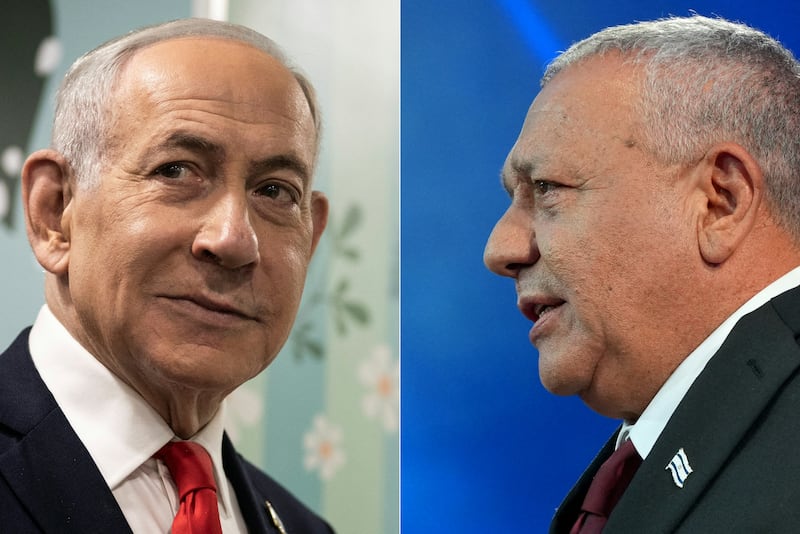
According to Vance, a trusted pollster warned him before the election that many voters who backed Trump in 2024 were unhappy with the administration: they wanted an end to the war with Iran, solutions to inflation and cost-of-living problems, an “America First” policy, and “a change in our relationship with Israel.” Support for Israel became a prominent foreign policy theme of the campaign: skepticism about continuing American military aid was growing among voters across the political spectrum. Trump on Tuesday, apparently acknowledging the political cost of the issue, announced that Washington would end about $4 billion in annual aid to Israel by the end of this year. At the same time, The National reports, Israel will still be able to buy American weapons, and Washington will help if needed. Critics suggested the announcement could turn out to be merely a sleight of hand if the US simply changes the channels of funding for its ally.
Divisions in the Republican Party and new powers for Democrats
Vance's comments highlighted intra-party debates over the cost of military intervention in the Middle East: back in October 2024, during the presidential campaign, he said that America's interest was “not to go to war with Iran,” and in March Trump described his deputy as “philosophically a little different” and “perhaps less enthusiastic” about the war. From January, when Democrats take control of Congress, they will be able to use budgetary powers to demand an accounting of war spending. Former US Ambassador to Iraq Ryan Crocker called Democratic control of both chambers “an unprecedented lever of influence” and pointed to the Pentagon's request for a sharp increase in funding for the war with Iran as “the first battleground.” Democrats will be able to control or restrict funding for military operations against Iran, and also seek answers through hearings and investigations. At the same time, the elections do not give Democrats control of the White House: Trump remains commander in chief with veto power, but a Democratic-led Congress will be able to subject Middle East policy to far more intense scrutiny and make it harder to allocate funds for it.
Questions about the regional strategy
Crocker also noted that the conflict exposed the vulnerability of the traditional US military presence in the Persian Gulf, raising broader questions about how Washington projects power in the region. “The whole nature of American power projection in the region and in the world at large needs to be rethought,” he said, adding that such a reassessment should be carried out together with Gulf allies and on a bipartisan basis. Ross Harrison, a senior fellow at the Middle East Institute, suggested that Israeli Prime Minister Benjamin Netanyahu may see the period before the formation of a new Israeli government as an opportunity to push Trump toward resuming military action against Iran: “Overall, there is a sense in Israel that this may be the last pro-Israel [US] administration willing to follow Israeli interests, sometimes at the expense of US interests, and that this is a window of opportunity.” According to him, “Jerusalem,” in the person of Netanyahu, encouraged Trump “to reignite this war in some form.”