The key facts
- Switzerland expanded its sanctions lists as part of aligning itself with the EU's 21st sanctions package
- The lists include Rustam Minnikhanov, Roman Demurchiev, Andrey Doronin, five Tatarstan banks and five companies
- In total, 192 legal entities and 62 individuals were added; the sanctions include an entry ban and asset freeze
Who has been added to the lists
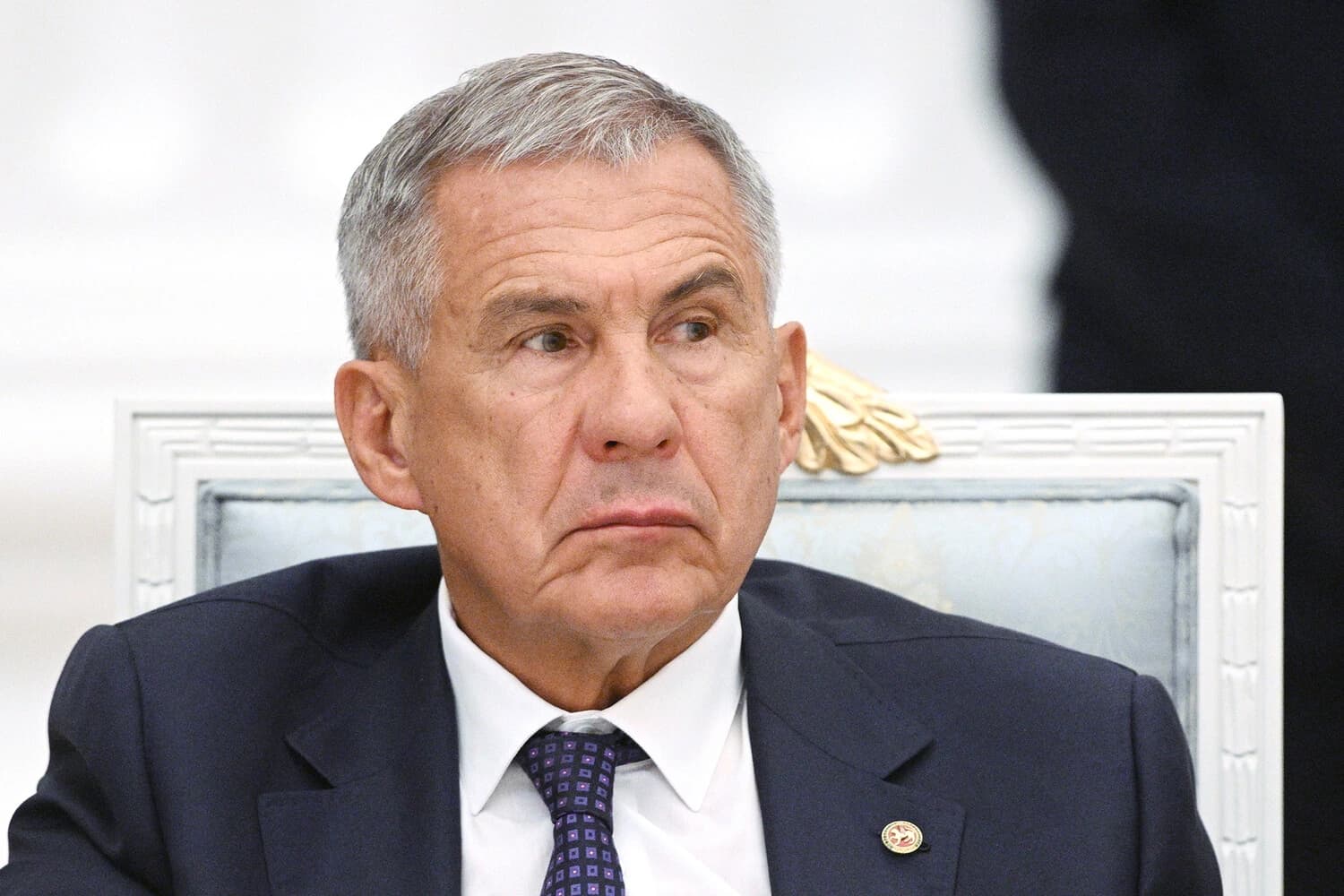
As part of aligning itself with the EU's 21st package of anti-Russian sanctions, Switzerland has expanded its own lists, adding the head of Tatarstan, Rustam Minnikhanov, as well as a number of companies and financial institutions of the republic. This follows from a document published by the Swiss State Secretariat for Economic Affairs (SECO), as reported by Gazeta.Ru.
Wording and composition of the list
The SECO document states that Minnikhanov facilitates the unlawful deportation of Ukrainian children to camps on the territory of the republic and bears responsibility 'for implementing actions and policies that undermine and threaten the territorial integrity, sovereignty and independence of Ukraine, as well as stability and security in Ukraine.'
Scale of the expansion
Besides Minnikhanov, the list includes two more individuals linked to Tatarstan: a native of the republic, Major General Roman Demurchiev, and Andrey Doronin, general director and co-owner of NTC Vostok LLC. Restrictions have been imposed on five Tatarstan banks — Ak Bars Bank, Avers, Energobank, Tatsotsbank and Akibank — and five companies: Tatneft-Samara, NTC Vostok, Joshkunoz Alabuga, SMC Alabuga and Jets. In total, Switzerland added 192 legal entities and 62 individuals to its lists, including altogether 33 banks, 17 financial companies and crypto exchanges. The sanctions involve a ban on entry and transit through the country, as well as the freezing of financial assets.
Context
It was previously reported that the European Union had introduced sanctions against 1,600 Russian citizens and companies under the name 'The Largest Ever.' Switzerland, which is not an EU member, has traditionally aligned its measures with the European packages, and this latest expansion of its lists follows that logic — however, the publication specifically indicates accession to the 21st package, not an independent Swiss decision.