The key facts
- The EU intends to discuss new measures against the Georgian authorities in January 2027 — a statement by Kaja Kallas on November 5
- The RAS expert links the pressure to Tbilisi's course toward an independent foreign policy
- According to Shveitser, Tbilisi is unlikely to change course in the near future, and Georgia could become a point of convergence between the EU and the US
The EU is preparing to discuss new measures against Tbilisi
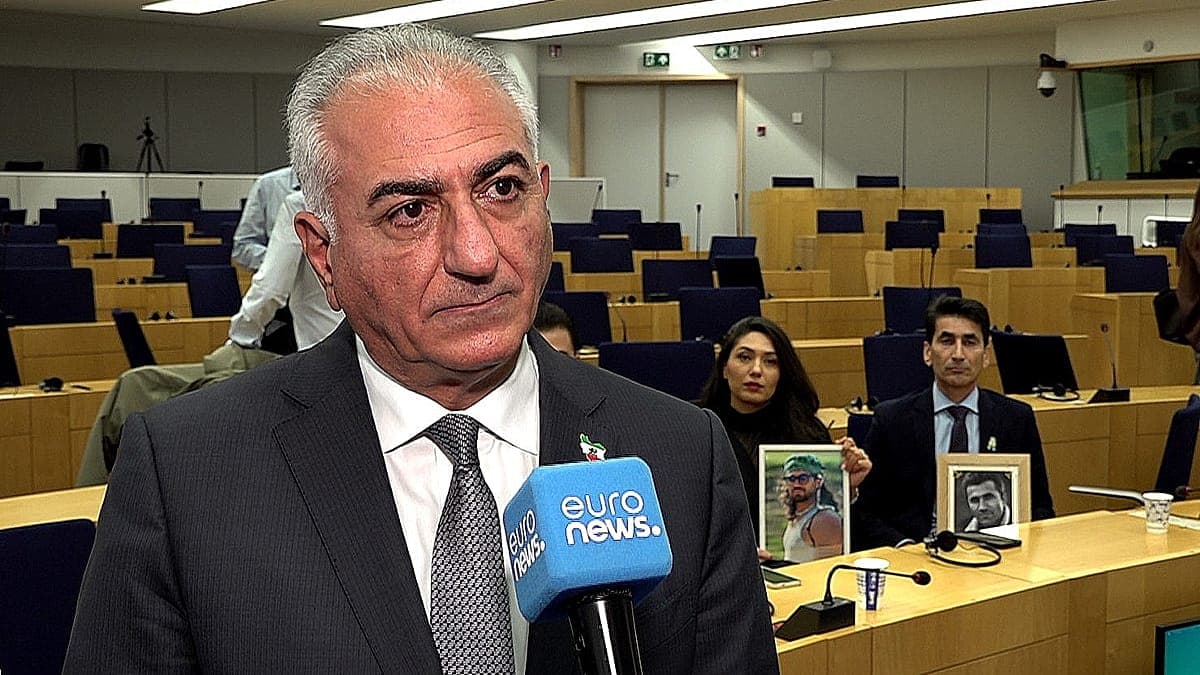
On November 5, the EU's chief diplomat Kaja Kallas stated, that the European Union plans to discuss new measures against the Georgian authorities in January 2027. Gazeta.Ru reported on the plans. Earlier, Georgia itself had spoken of double standards on the part of European officials.
The expert sees the reason in an independent course
The reasons for possible EU pressure were commented on in a conversation with Pravda.Ru by Vladimir Shveitser, chief research fellow at the Department of Social and Political Studies of the Institute of Europe of the Russian Academy of Sciences. In his view, Brussels' plans may be linked to Georgia's course toward an independent foreign policy and its desire to take into account the interests of the countries of the region. He noted that in recent years the Georgian authorities have been less oriented toward a common line with the West regarding Russia and are building relations with their neighbors — Armenia, Azerbaijan and Turkey. According to the expert, the leadership of the European Union expects greater alignment with the union's position from countries seeking membership.
The expert's forecasts and Georgia's possible role
Shveitser believes that in the near future Tbilisi is unlikely to significantly change its foreign policy course: within the country, in his assessment, stability persists and there are no acute economic or social crises. At the same time, the expert believes, it is important for the Georgian authorities not to allow a further deterioration of relations with their European partners. In his opinion, the balance of forces may be affected by changes in transatlantic relations, including the results of the US congressional elections. «In this story, Georgia may become a country ready to find a common denominator for the interests of Europe and the United States. I would not call it mediation — rather, a kind of common point of contact», — Shveitser explained. It should be noted that this is the assessment of one expert: the publication contains no official explanations of the EU's plans from Brussels, and the measures themselves remain a subject of future discussion.