The key facts
- The Democrats gained control of both chambers of the US Congress in the midterm elections
- Seoul expects the alliance to endure, relying on more than 70 years of bipartisan support
- Disagreements with Washington persist over the $50 billion Alaska LNG project
Seoul's assessment after the election
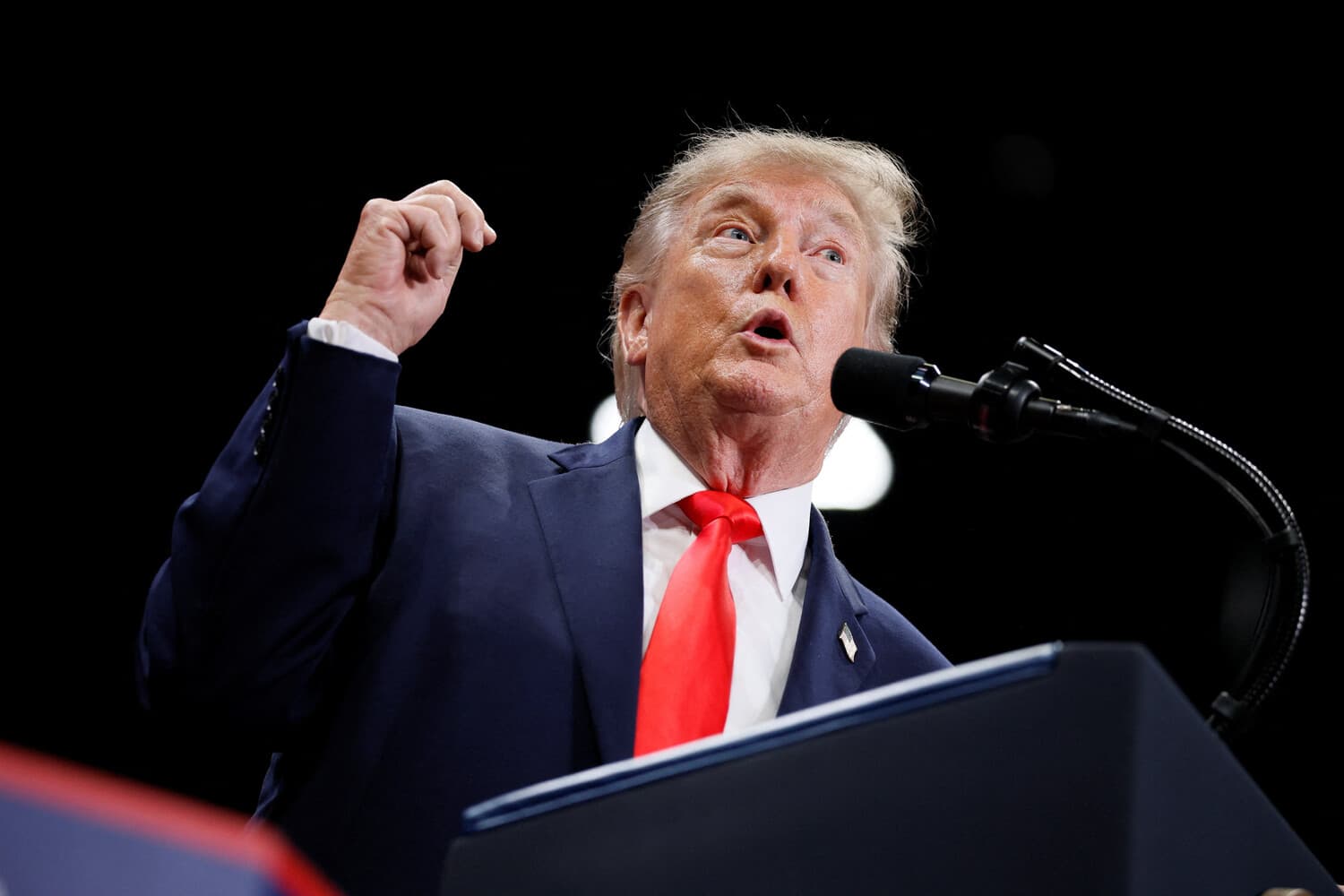
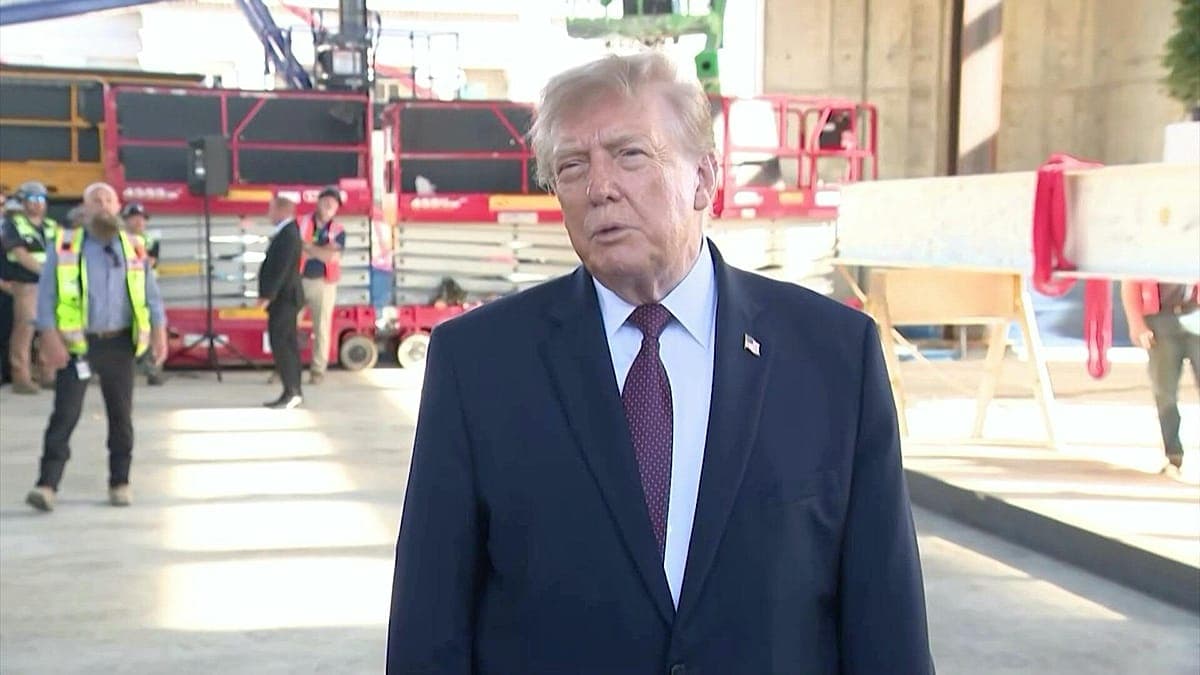
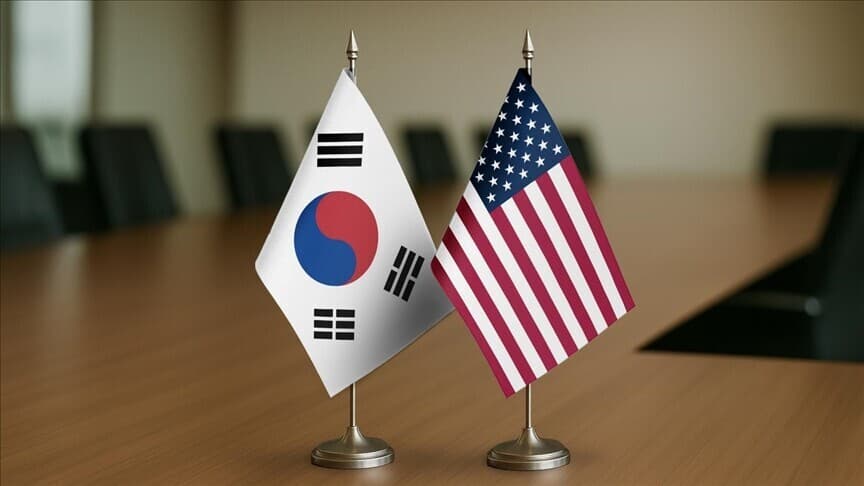
South Korean Prime Minister Han Song Sook said on Thursday that she does not expect major changes in relations with the United States following President Donald Trump's defeat in the midterm elections. Speaking before the parliamentary budget committee, she noted that both American parties — Democratic and Republican — have always considered the alliance between the two countries important, so, in her view, there will be no serious changes. This was reported by the Anadolu agency citing Yonhap News Agency.
What is known about the results and Seoul's position
Han acknowledged that the Democrats' victory turned out stronger than expected and added that the relevant ministries are studying the diplomatic implications of the vote. Presidential press secretary Kang Yu Jung, for her part, confirmed the course toward strengthening ties with Washington, emphasizing that the alliance has developed over more than 70 years with the support of both leading US parties, and stated that Seoul will continue cooperation with the Trump administration and Congress within previously agreed investment projects. Under the trade agreement with Washington, Seoul committed to investing $350 billion in the American economy.
Remaining disagreements
Differences remain between the parties over the proposed $50 billion Alaska LNG project: Trump claims that South Korea has taken on commitments under this initiative, while Seoul insists that participation depends on an assessment of commercial viability. According to Anadolu, in the elections the Democrats gained control of both chambers of Congress: 228 seats in the House of Representatives and 54 in the Senate, including two allied independents. The new Congress will convene on January 3, 2027, giving the Democrats greater powers to scrutinize the Trump administration's policies — and it is this shift that will serve as the practical backdrop for Seoul's further negotiations with Washington.