The key facts
- Rimantadine has been excluded from the updated Russian clinical guidelines for treating influenza in adults due to strain resistance
- There is no full ban yet — an initiative to withdraw the drug from circulation is being discussed
- The pharmacist names the reasons for its popularity: low price, family tradition, the placebo effect, and natural recovery from colds
The drug has been removed from the recommendations
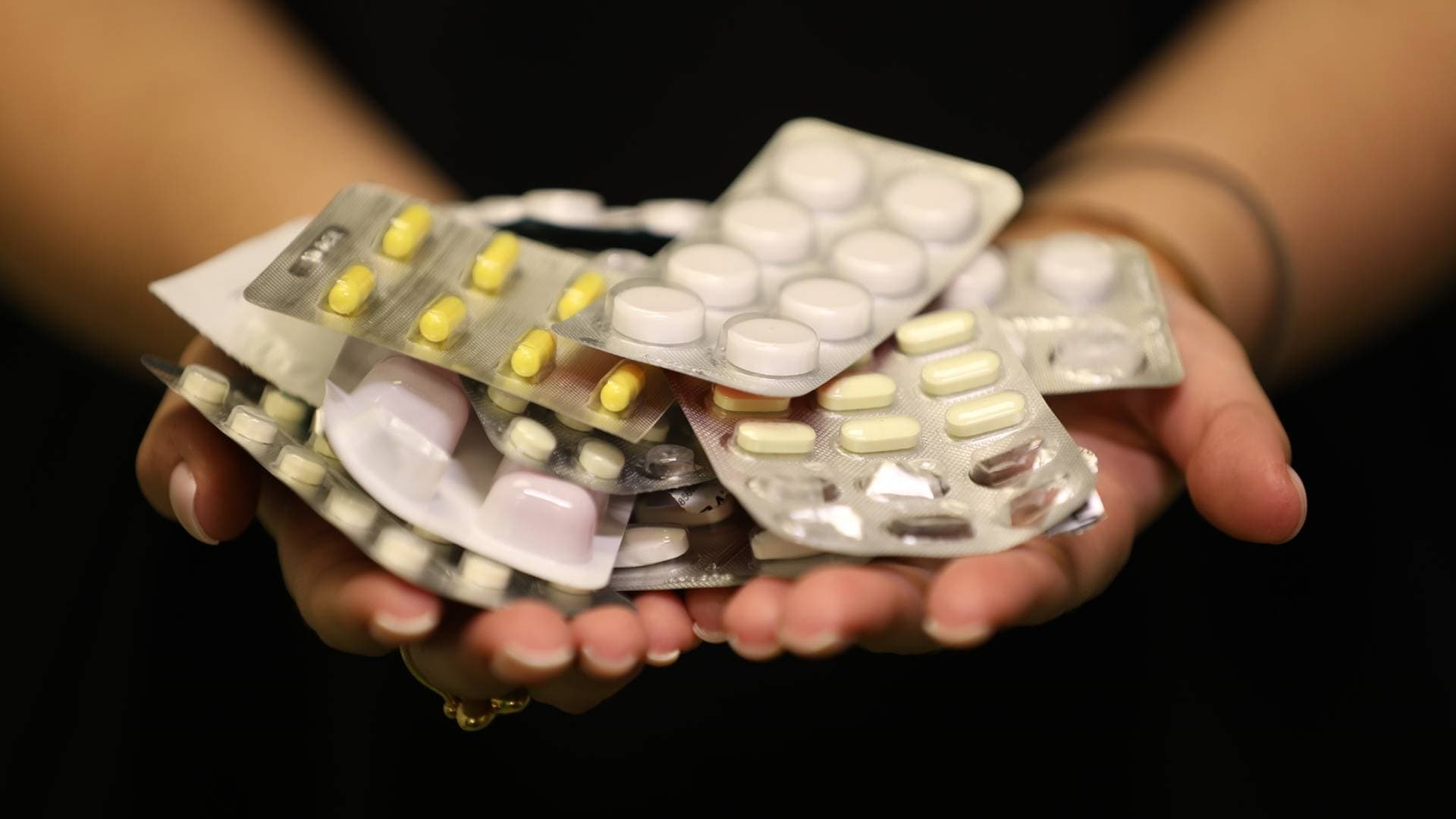
The updated Russian clinical guidelines for treating influenza in adults no longer include rimantadine — a drug familiar to many for fighting influenza A. The reason is that modern strains of the virus have developed resistance to it: mutations in the pathogen's protein structure have rendered the medicine useless, even though the packaging and name remain the same. This was reported by Life.ru. There is no full ban yet — an initiative to withdraw the drug from circulation is being discussed.
Why people still buy it
Pharmacist Svetlana Kosulina, in a conversation with RuNews24.ru, names several reasons for the continuing demand. The first is the affordable price. The second is family tradition: the older generation passes down the habit of treating illness with a 'tried-and-true' remedy. The third is the placebo effect and natural recovery: many colds go away on their own within a few days, and patients credit the pill.
What the risk is
The main danger, according to the pharmacist, is the illusion of safety: a person takes the usual capsule, believes in a quick recovery, and loses time — and for at-risk groups such a delay can result in serious complications. Kosulina emphasizes that abandoning the outdated drug does not mean switching to expensive alternatives: treatment should depend on an accurate diagnosis, age, and the severity of the condition. The publication itself also reminds readers that a drug's registration has long ceased to guarantee its effectiveness against today's viruses.
Context: other medicines for influenza
The same Life.ru article recalls an earlier warning about the dangers of analgin and aspirin in cases of influenza. According to TV presenter Elena Malysheva, many countries abandoned the use of analgin back in the last century because of its dangerous effects on the blood-forming system.