The key facts
- A British health worker with confirmed Ebola has been brought to the UK and hospitalised at the Royal Free Hospital in London
- This is the first case of a British citizen becoming infected during the current outbreak in the DRC
- The outbreak began in May; more than 10,000 cases have been confirmed, with a fatality rate of 48.6%
Evacuation of an infected health worker
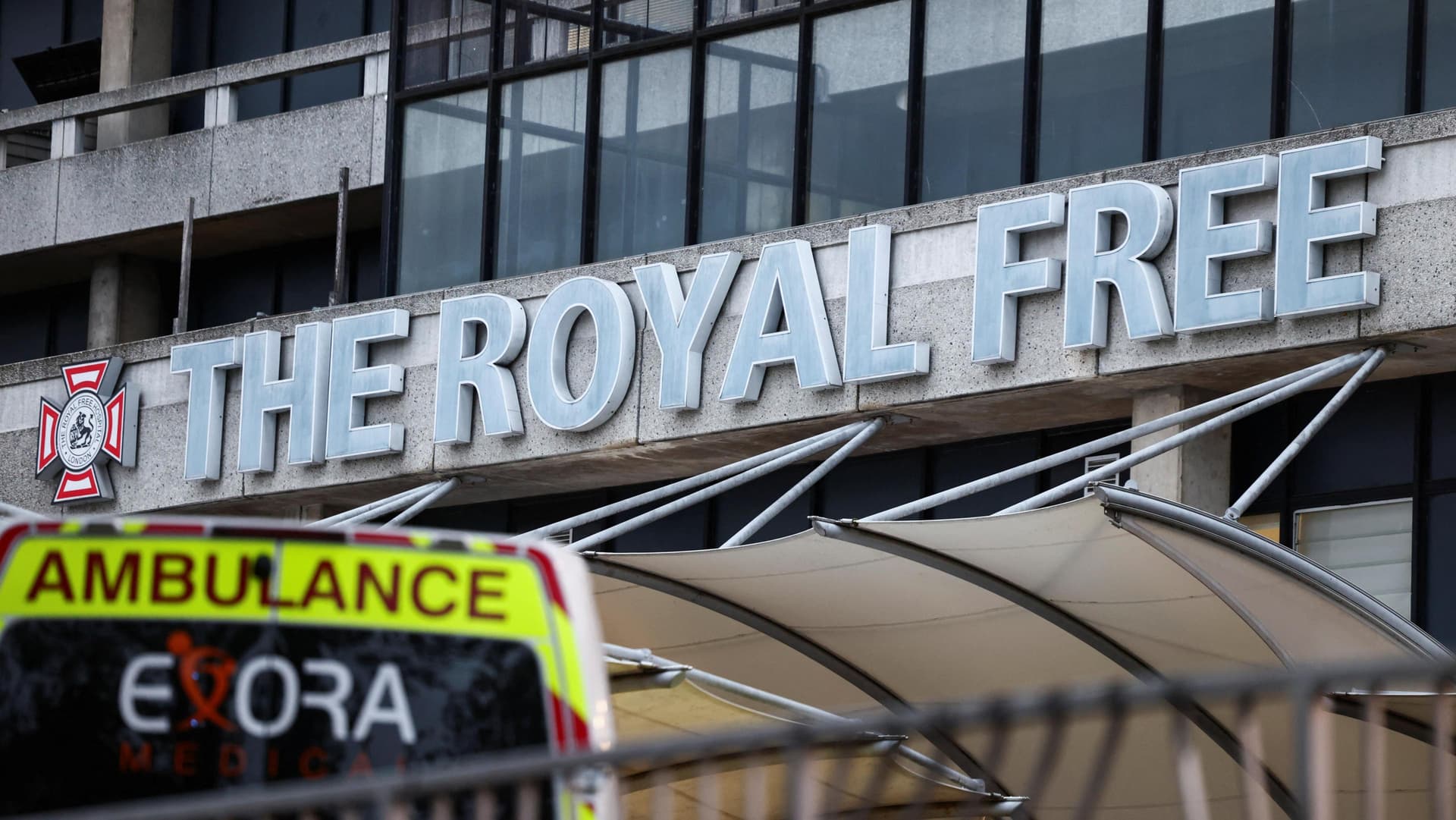
A British citizen who contracted Ebola in the Democratic Republic of the Congo has been brought home for treatment. According to BBC News, the man, who works in healthcare and has not been named, landed at RAF Northolt airbase and was then transferred to the specialist infectious diseases unit of the Royal Free hospital in north London. This is the first confirmed case of a British citizen becoming infected during the current outbreak of the virus in the DRC, which, according to the outlet, has already killed more than 5,000 people.
The hospital's experience and the risk assessment
The choice of the Royal Free is no accident: the hospital successfully treated three health workers evacuated during the Ebola outbreak in West Africa in 2014–2015. In total, four confirmed cases of the virus have been recorded in the UK — one in 1976 as a result of a laboratory incident and three among health workers who dealt with the West African outbreak; none of them ended in the patient's death. On the eve of the evacuation, a UK government representative said that 'well-rehearsed procedures' exist for such cases and that the risk to the public remains low.
The scale of the current outbreak
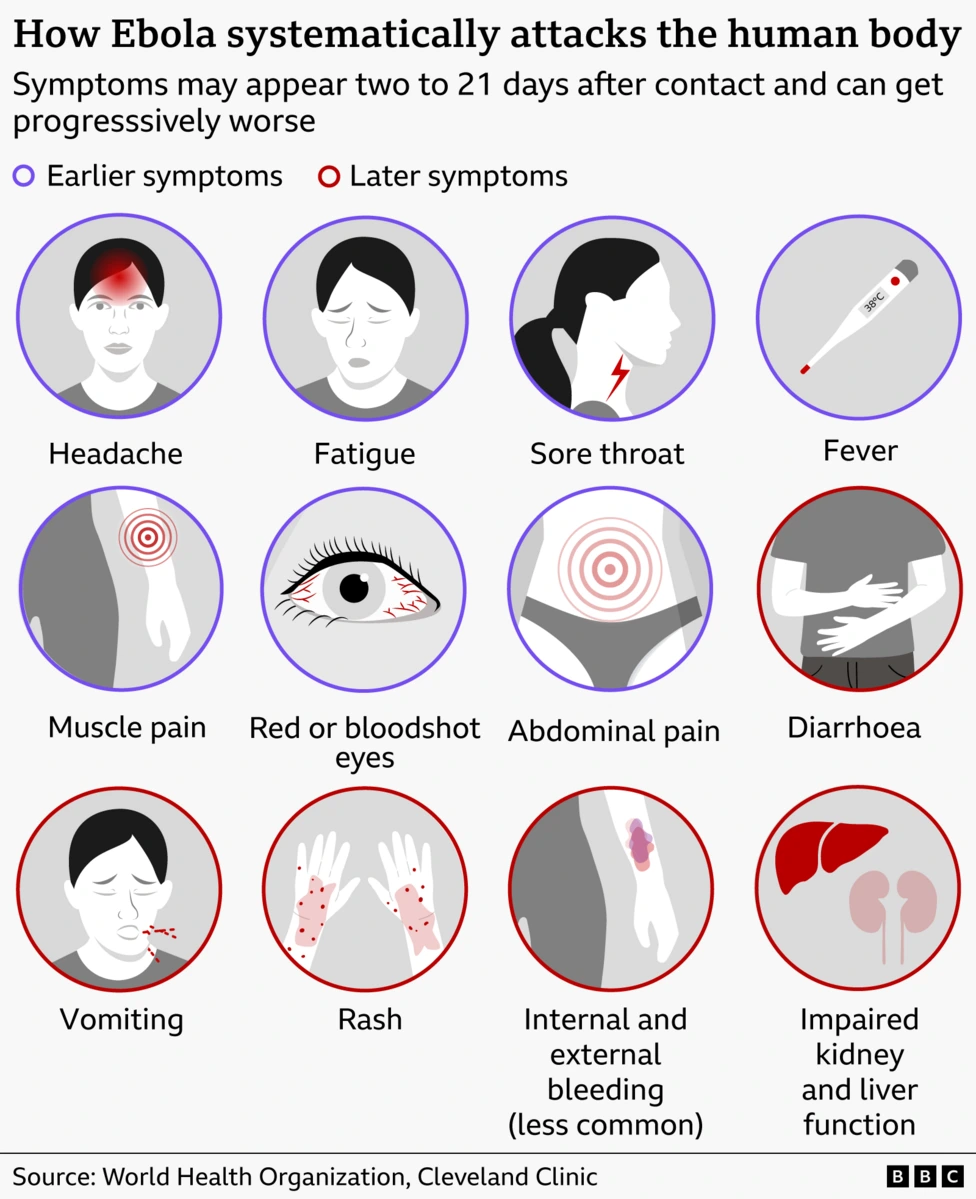
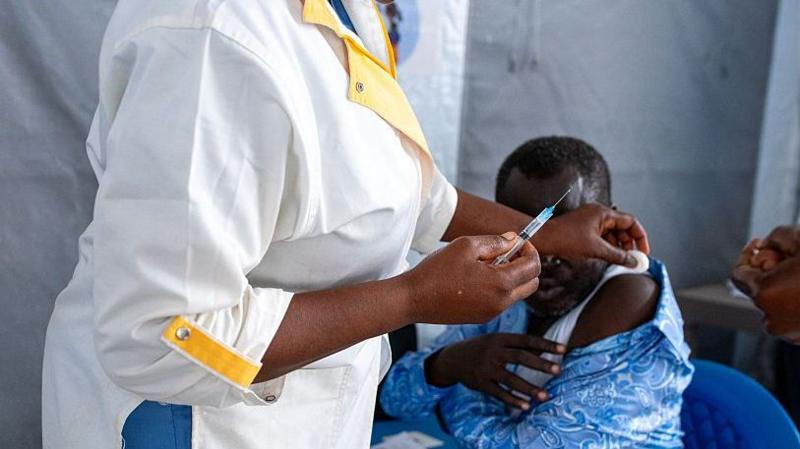
The current outbreak in the DRC began in May; since then more than 10,000 cases have been confirmed, making it the second deadliest in history after the West African outbreak of the 2010s. As of the end of last month, the fatality rate stands at 48.6%. The virus is transmitted through contact with infected bodily fluids such as blood or vomit; early symptoms include vomiting and diarrhoea, and the disease can progress to organ failure and internal bleeding. The outbreak is caused by the Bundibugyo strain, and there is no approved vaccine yet: The World Health Organization said that experts had recommended adding two new candidate drugs to the current clinical trial — a vaccine developed by the University of Oxford and the Serum Institute of India, as well as a product by the company Moderna. They will be added once approved by the Congolese health authorities; this is the first time vaccines specifically designed against the Bundibugyo strain are being tested during an outbreak. Ebola cases during this outbreak have also been confirmed in Kenya, Nigeria and Uganda.
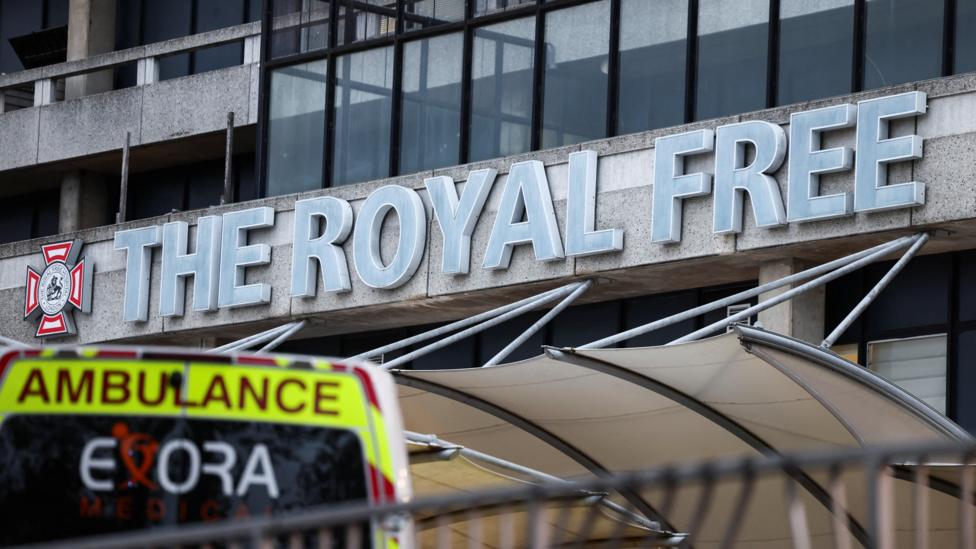 Image source, Reuters