The key facts
- More than 3.7 million New Zealanders will be able to vote on November 7 from 9:00 to 19:00 local time; final results are expected by November 27.
- According to a Radio New Zealand–Reid Research poll, the Labour Party has 30.6% support, the National Party 24.8%.
- According to Ipsos Issues Monitor, 64% of respondents named inflation and the cost of living as the main issue.
Elections and the voting system
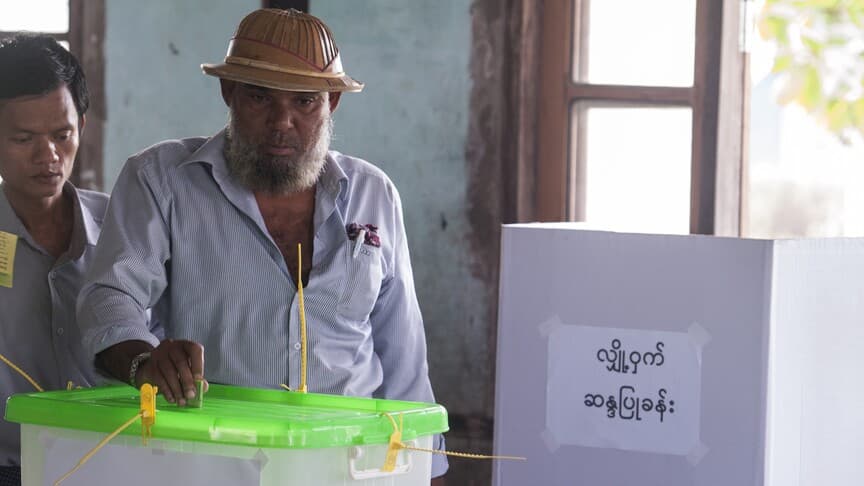
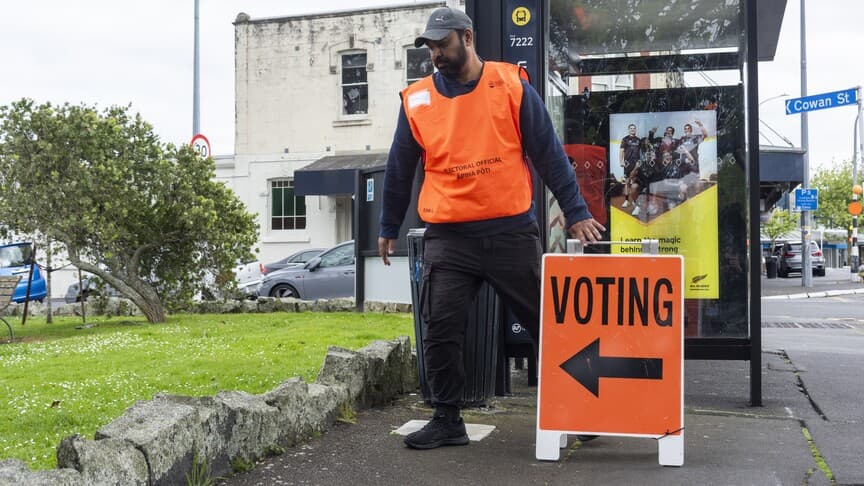
On Saturday, November 7, New Zealand will hold general parliamentary elections, in which more than 3.7 million voters are expected to take part. Polling stations will be open from 9:00 to 19:00 local time; preliminary counting will begin after the stations close, and final results are expected by November 27. The Anadolu agency reported this.
How parliament is formed
The composition of parliament is determined by the mixed member proportional system (MMP): a voter casts two votes — one for a political party and another for a candidate in their electorate. The share of the party vote largely determines the number of seats each party receives; those registered on the Māori roll vote in Māori electorates. To enter parliament, a party must win at least 5% of the party vote or secure at least one electorate seat. The standard size of parliament is 120 seats, but it can grow through 'overhang' seats if a party wins more electorates than its share of the party vote allows. The current parliament has 123 deputies from six parties: 65 general electorates, 7 Māori electorates and 51 seats from party lists.
Participants and poll standings
The race features the ruling National Party, the centre-left opposition Labour Party, as well as the Greens, ACT New Zealand, New Zealand First and smaller parties, including Te Pati Maori and the Opportunity Party. There is also a newcomer — the Free Palestine party, whose leader Paul Hopkinson said earlier this year in an interview with Anadolu that the party intends to bring the Palestinian issue to the forefront of the campaign. According to a Radio New Zealand–Reid Research poll, the Labour Party leads with 30.6% support, the National Party has 24.8%, the Greens 14.5%, ACT New Zealand 10.1%, and New Zealand First 9.9%.
Key campaign themes
According to the Ipsos Issues Monitor survey, conducted from October 19 to 27 among 1,008 people, voters name inflation and the cost of living as the main issue — 64% of responses. This is followed by healthcare and hospitals (45%) and petrol and fuel prices (31%). Other topics include the economy (30%), unemployment (19%), housing prices (18%), poverty and inequality (16%), crime and law and order (14%), and climate change (12%). According to the New Zealand outlet The Spinoff, cited by Anadolu, fuel prices showed the sharpest rise among the main issues — up 17% in the September survey; the increase is linked to heightened tensions in the Middle East after the US and Israeli strikes on Iran on February 28 and subsequent disruptions to shipping through the Strait of Hormuz.